
 Backpack, Backpack!
On the Backpack loaded up with things and knickknacks too,
Anything that you might need I got inside for you!
Backpack, Backpack!
Backpack, Backpack!
Dora is a great explorer but she would not be the hero that she is without her trusty backpack to help her along the way. Like Dora, you'll need a good pack to take with you on your 11 month trek around the globe.
The goal in this blog is not to make you an expert, but to give you enough awareness to make a good choice when acquiring a backpack.
So here goes….
GOOD NOT SO GOOD
Loading:
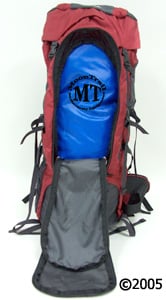 The picture to the left shows a pack that has a front loading option. This just means that there is a zipper that allows you to access your stuff from the front of your pack. You can certainly get by with a pack that only has a top loading option but a front loading pack will give you more freedom to get what you need, when you need it more easily.
Alternative Options: Yep, more choices for you! Not to overwhelm you but to let you know that you can choose a non-traditional pack. Sometimes taking risks produce great rewards! Some other options are listed below.
For the Minimalist:
A possible option for you is a rugged duffel bag with backpack straps that allow you to carry it just as you would a normal pack when needed.They are cheaper and they keep packing simple. The drawbacks are that they lack separate storage compartments for your sleeping bag, tent, or dirty clothes and they are not as durable as a hiking pack.
For the Modern Racer:
This option is a rolling pack with backpack straps and a detachable day pack. It's advantage is that it will be easy to transport around and is designed for people who do the "backpacking" trips around Europe rather than those who backpack on the Appalachian Trail. They function more like a suitcase than a hiking pack. The drawbacks are that they can be expensive and they are heavier (due to the wheels and handle) and smaller in volume than a hiking pack, which means you will have to be more strategic when packing.
Day Packs:
Ask any alumni Racer and they will tell you, SMALLER is BETTER!







