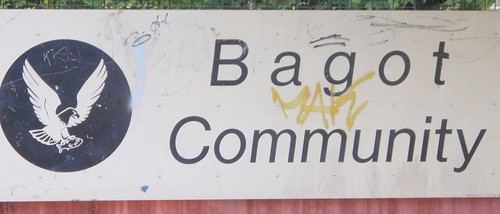
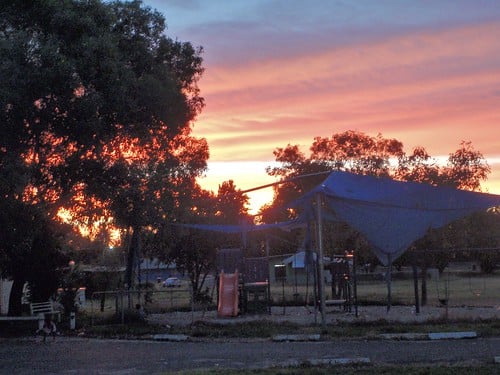
 Our first introduction to the aboriginal community of Bagot came at night, long after the sun had gone down. The neighborhood was dark, not just in a physical sense, but in a way that leaves you with no doubt that you are standing right in the middle of a major spiritual battleground. We had just been briefed by our contacts about what to expect with the aboriginal people we were to meet, and the picture they painted was neither simple, nor innocent.
 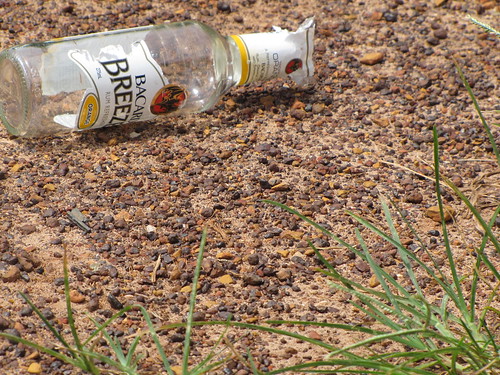 This is a people who used to be nomads, but are now relegated to a small community about the size of a square mile. Their society has been ravaged by alcoholism and drug abuse in a way that I never thought possible. They do not believe in the concept of hell, so suicide has become a common means of escape. Those who don’t choose to take their own life, all too often take the lives of others. Stabbings are frequent here, primarily because domestic violence has become the status quo. We would later learn just how difficult the concept of reconciliation is for these people. In most aboriginal dialects, there isn’t even a word for forgiveness.
  Behind much of this violence and depression are the religious beliefs that support, and even encourage it. Witchcraft reigns supreme in most aboriginal households, and its fruits are fear, hopelessness, and an utter lack of purpose. Self-mutilation and revenge are part and parcel in this religion. There is an underlying fear of curses, and rightly so. Nearly everyone in aboriginal society can tell you about someone who died or was seriously injured after ending up on the wrong side of a witchdoctor’s curse.
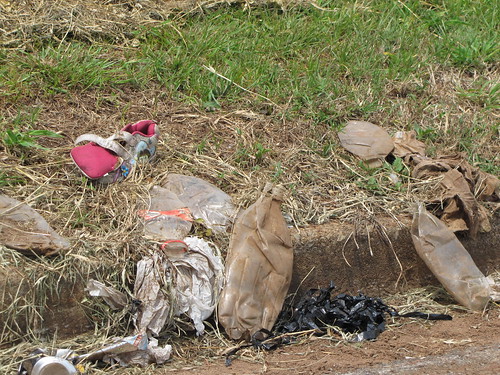
With all of this in the forefront of our minds, we cautiously entered Bagot. The 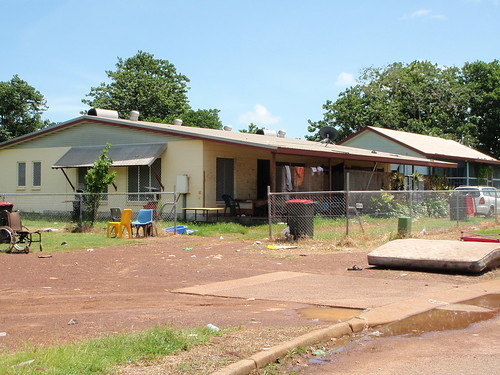 community is in a modern industrialized nation, but it is unmistakably third-world. The homes are uninviting, graffiti-ridden cement boxes. The ground is covered with trash, a large portion of which has been dropped on the ground by the roaming drunks and drug addicts that seem to dominate the landscape. The people sleep anywhere from 10-30 to a house, and when it’s too hot (which is most of the time in Bagot), they simply carry their mattresses outside and sleep in the front yard. There are dogs everywhere, in various states of mange and malnutrition. The only cars on the road are police wagons making their rounds searching for drugs and drunks. Everything here is broken. The windows, the playground, the animals, and most of all, the people. The people are absolutely broken.
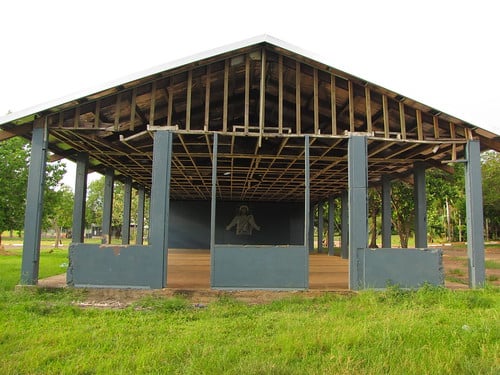
community is in a modern industrialized nation, but it is unmistakably third-world. The homes are uninviting, graffiti-ridden cement boxes. The ground is covered with trash, a large portion of which has been dropped on the ground by the roaming drunks and drug addicts that seem to dominate the landscape. The people sleep anywhere from 10-30 to a house, and when it’s too hot (which is most of the time in Bagot), they simply carry their mattresses outside and sleep in the front yard. There are dogs everywhere, in various states of mange and malnutrition. The only cars on the road are police wagons making their rounds searching for drugs and drunks. Everything here is broken. The windows, the playground, the animals, and most of all, the people. The people are absolutely broken.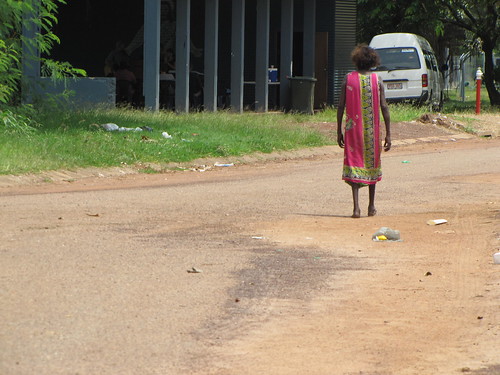 Amidst all of this apathy is one ray of hope; a shining light amidst the darkness that has enveloped Bagot. It is not much to look at, and most Americans wouldn’t even recognize it for what it is. There is a cement foundation, a roof, and a shed; walls would somehow seem out of place here. On the side of the shed is a painting of Jesus, arms spread wide in love and acceptance. This is the church that our contacts, David and Isobel built, but there is no denying that this place belongs to God. The community gathers here to sing songs of worship, listen to testimonies, and above all else, to pray. They pray for forgiveness. They pray for healing. But most of all, they pray for hope. The turnout might be four, or it might be forty. But when the services start, for just a few hours, the heaviness in Bagot gets a little bit lighter.