
I rode shotgun on the way home from the airport because I had been battling motion sickness on the plane rides. Daddy let me hook up my iPod to his car stereo and we listened to a couple of songs that I had gotten really into over the course of the Race. “Resolution” by Matt Corby was definitely at the top of the list. We drove on 321 and Daddy pointed out a few shopping complexes and other things that had been built since I’d left. When we pulled into the driveway, the tears started. I was home. It was like I had never left. It was like an ordinary Sunday coming back from church with my parents.
I still prefer wearing dresses, and I probably won’t ever wear the chacos I bought two weeks before training camp again.
I will always prefer western toilets, even if they aren’t as sanitary, and I will still wear makeup more days than not. I am my Mother’s daughter.
Sweet tea and cheerwine will remain my drinks of choice, although I did get really into ginger beer and hot tea while in South Africa.
I will always use the word ‘y’all.’ No exceptions.
I still write really long blogs, much like this one.
But I have changed. The World Race was not responsible for the change brought about in me. The World Race is just the name of an 11 month mission trip that is organized by Adventures in Missions. What brought about change in my life was a series of choices: to believe that Jesus is who he says he is, and to follow him, be obedient to his word, and to allow the people who are doing the same things say (sometimes very hard) things to me in order for me to grow. I was changed by God’s love for me and by his love for humanity.
Our perceptions (my own included) are often a little skewed on what love is, what it looks like, smells like, talks like, and walks like. There are hints of love in everything. We love pizza, we watch “Love Actually,” listen to love songs, etc. We crave love. We want to possess it. We want it to belong to us forever and for it to never leave. We have believed lies about love, too: Love means never having to say you’re sorry. Love will not try to change you. Love will always bring you flowers on Tuesdays, just because.
What if love doesn’t actually look anything like these things?
When I think back to the first people who ever loved me, there are notable ways that my parents loved me very deeply, but still had to communicate with me some very difficult things in order for me to be a well-adjusted child, and eventually, adult. Sometimes they were simple, like, “Don’t touch the stove. It will hurt you.” Sometimes they’re a little more complex, like, “When you act this way, it is very selfish and we taught you to be someone who thinks about other people.”
It is written in the Good Book that God is love. But when we “love” pizza and the NFL, it gives us a varied, vague understanding of love, and in effect, God. I am not submitting that we can ever understand God OR love, but there are certain ways we can understand the character and nature of God, who is love.
First of all, what is God like?
- He is not some ambiguous benevolent force who grants wishes and blesses our plans. I don’t know how long you’ve been alive, but I’m 24, and that has been enough time for me to figure out that we can plan all we’d like, but sometimes the plans we’re striving and fighting for completely crumble in our hands, regardless of how capable we might consider ourselves. I believe you have two choices when your plans fall apart: a.) You can believe that God is in control, and that he is trying to teach you something, protect you from something, help you rely on him more and guide you to something better, or b.) You can believe that your life is ruined and sulk over ruined plans.
- He is not satisfied to leave us in our sin. He gives us the Holy Spirit to continually remind us when we are purposefully or accidentally defying God’s reign. He grants us communication with him through Jesus Christ, who intercedes on our behalf. He gives us community (the church) to remind one another that we were bought with a price and that demands a certain type of obedience.
- He is not a dainty old Grandpa. Have you read Revelation? Jesus has got his thigh tatted up and plans on rectifying wrongs on a white stallion. He does not indulge us. He purifies and cleanses us. He brings into view the parts of us that are wicked, rotten, and broken, and he makes them whole.
- He dies for us. He enters human history, does the exact opposite of what everyone is anticipating, and heals the sick, feeds the hungry, preaches forgiveness and loving the unlovable. Israel wanted a warrior and instead they got a martyr.
- God loves Israel like a lunatic. Seriously. He loves them even though they forget who he is half of the time, and indignantly disobey him the other half. They really can’t get a lot of things right. He tests them and corrects them, but not because he doesn’t love them, but because he does. When Jesus comes into the story, we gain a different understanding of God’s lunacy in love. He says that outcasts, lepers, prostitutes, and (as Brennan Manning would say) even used car salesmen matter deeply to him, deeply enough for him to die to bring those people closer to the Father.
God’s love doesn’t look like flowers on Tuesday, it doesn’t smell like pizza in the oven, it doesn’t say, “Do whatever you want,” and it walks to Calvary to die for the filth we routinely worship instead of him.
Learning these things and feeling them profoundly is what changed me while I was on the Race. A lot of the systems in World Race culture (feedback, team time, etc) cause you to more intently reflect on God’s love, but the systems in and of themselves do not change you. God’s love does.
“This is why we must learn to love as God loves. We allow nothing to stop our love for God’s people or even our enemies for that matter. The word is filled with categorical love, but we are not like them. We walk in love, speak the truth in love, and never stop loving. We love even when it hurts. If our spiritually sick brother or sister in Christ wrongs us, we remain steadfast and try to help them get well. We are close enough to help while ensuring we are not putting ourselves in position to get “sick” as well.” –Joseph May, RAAN Network
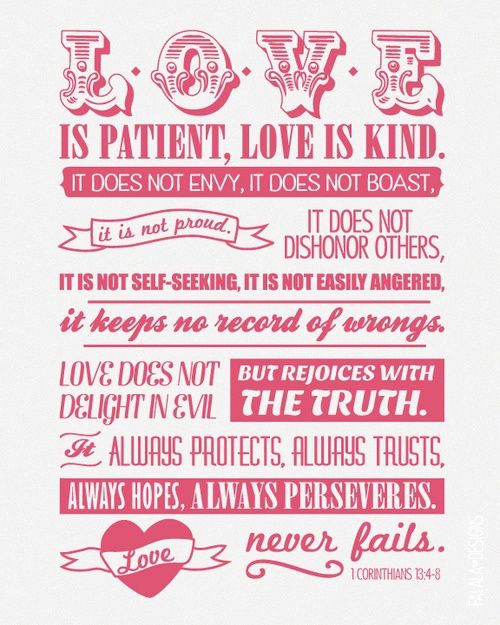
For our last bible study on the Race, our team studied 1 Corinthians 13. A lot of people only know this as the wedding chapter of scripture. That’s cool and all, but I’m pretty sure that when Paul was writing about “the greatest of these,” he wasn’t speaking about the love shared between a husband and wife. I read this Max Lucado book once that referenced this particular passage of scripture, and honestly I don’t remember the name of it or I would totally cite it like a responsible blog writer. Anyway, he passed along the point that sometimes we get kind of impressed with ourselves and the way we love. He challenged us to substitute our own names every time we read “love” in the passage. It looks like this:
Sarah is patient and kind; she does not envy or boast; Sarah is not arrogant or rude. Sarah does not insist on her own way; she is not irritable or resentful; Sarah does not rejoice at wrongdoing, but rejoices with the truth. Sarah bears all things, believes all things, hopes all things, endures all things.
I hope you laugh with me at this. How often are all of these things true? Rarely. And definitely not right after I wake up in the morning. And even though my attempts at a God-like love are laughable, that’s still what he called me to on the Race. He called me to love people unashamedly, lavishly, and full of hope for them, because that’s how he loves us.
And surprise, surprise, he will continue calling me to this for the rest of my life.
Grace and peace,
Sarah







