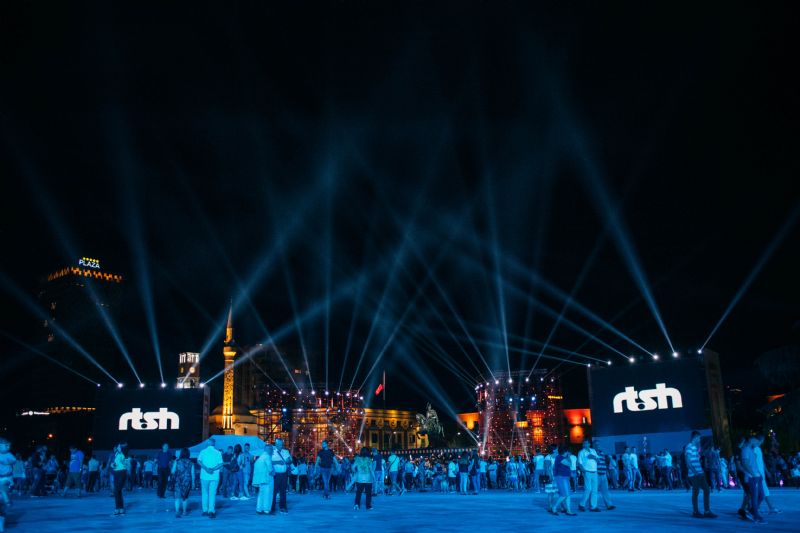
The capital of Tirana is a unique mix of western culture and more traditional customs that are passed down from the history of Turkish influence. It’s been interesting reading up on the history of Albania in the past few days. There’s a lot to learn since it is one of the oldest cultures in existence and has roots in Roman times and language.

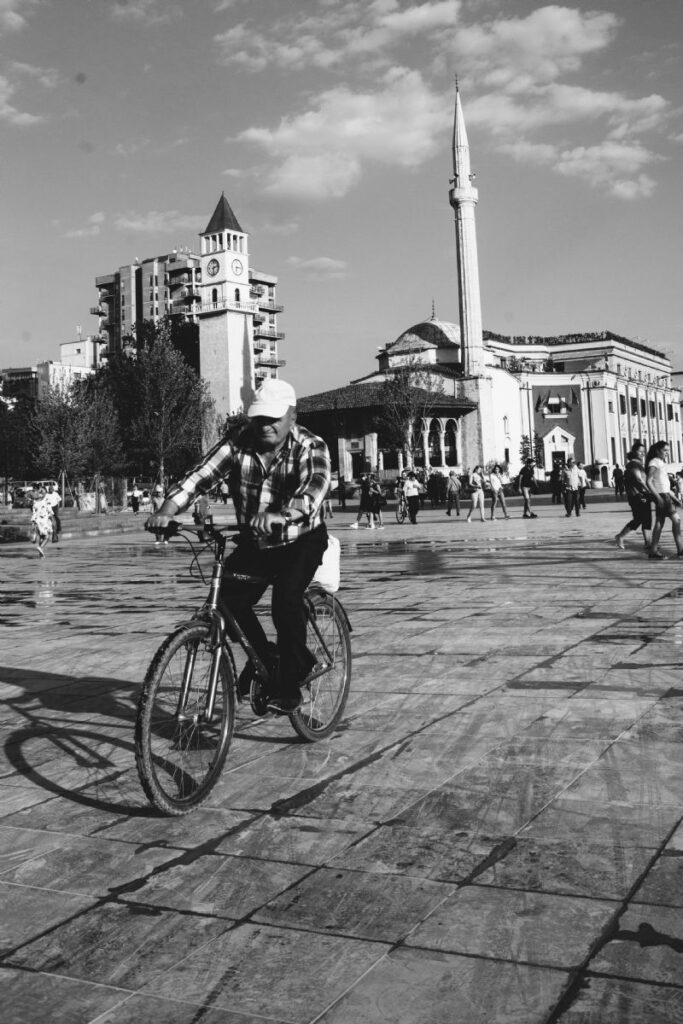
Behind the man on the bicycle is a mosque built in the 1700s. Still in active use it is famous for its unique murals of farms and nature, which is very uncommon in Muslim culture. The mosque is located in the city square, and your can hear the call to prayer several times a day.
After WWII ended, Albania became a communist country (The involvement of Albania in the protection of the Jewish people during WWII is fascinating). The ruler of the country at the time was a paranoid individual and was focused on “protecting” the country from attacks – he built a crazy amount of bunkers around the country, among other things that make him famous. This pyramid was built by his daughter in his honor – and has since been mostly abandoned, except for an independent news station that has offices inside and occasional homeless person.
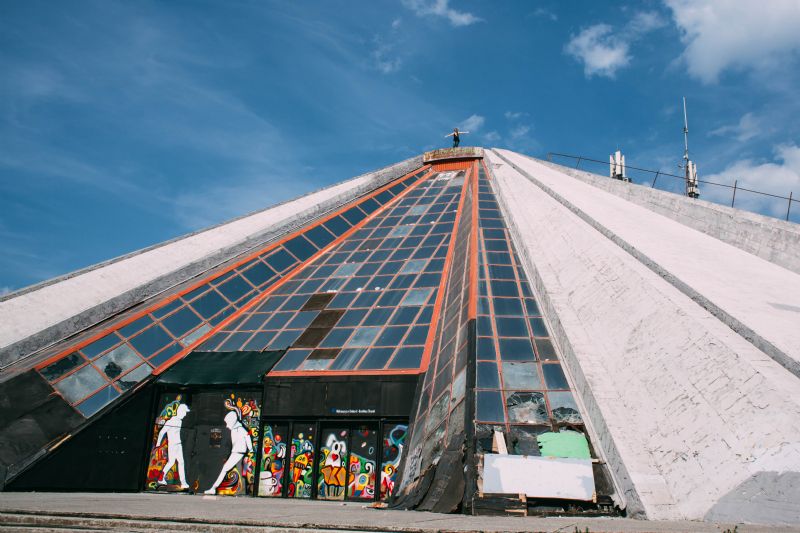
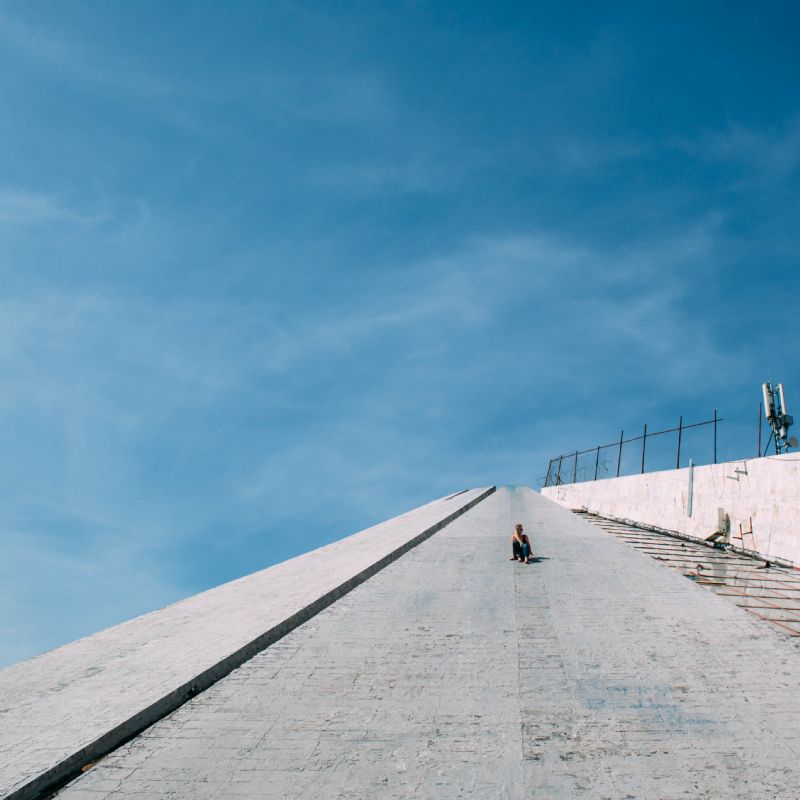
Of course, I climbed to the top to see the view of the city. It was so worth it, despite the bad burns and blisters I got from the hot pavement. An added bonus – sliding all the way down.
Enver Hoxha, the dictator of Albania for more than 50 years, built thousands of bunkers out of his extreme paranoia of attack. Approximately 1 bunker to every 4 residents of Albania, many of them still stand, and are haunting reminders of oppression and heartache. One of the largest, a five story bunker located in the middle of the capital with tunnels reaching for miles, has been recreated into a museum.

The museum begins in a dark entryway with photos of old rulers and historical evidence of the communist oppression.
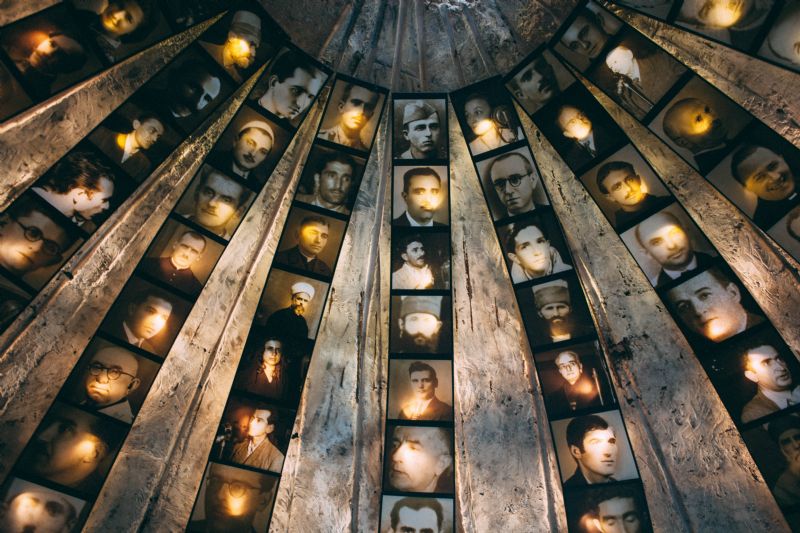
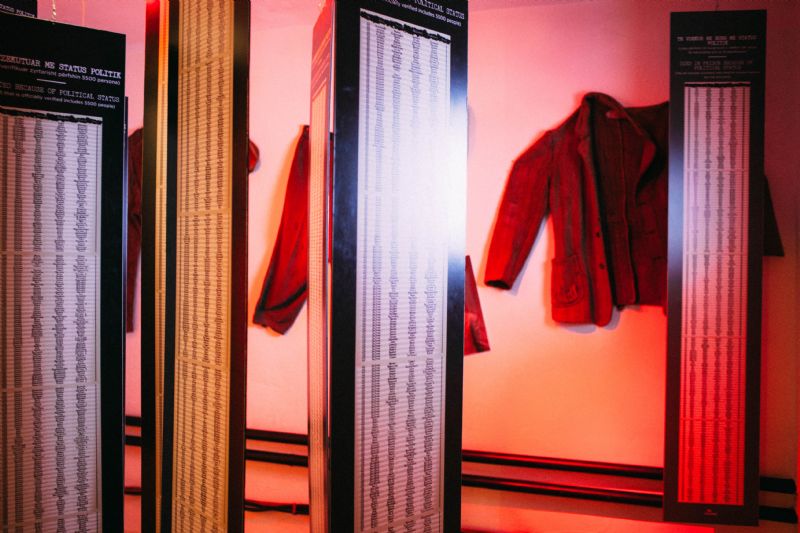
Among many of the exhibits includes a room full of names of the dead – killed in camps similar to the German concentration camps of WWII – except these occured after the war had ended and the communist rule had been established. Many of these deaths occurred as punishment of those trying to escape Albania.
The bunkers are a system of tunnels and rooms that stretch for miles underneath the capital, Tirana.

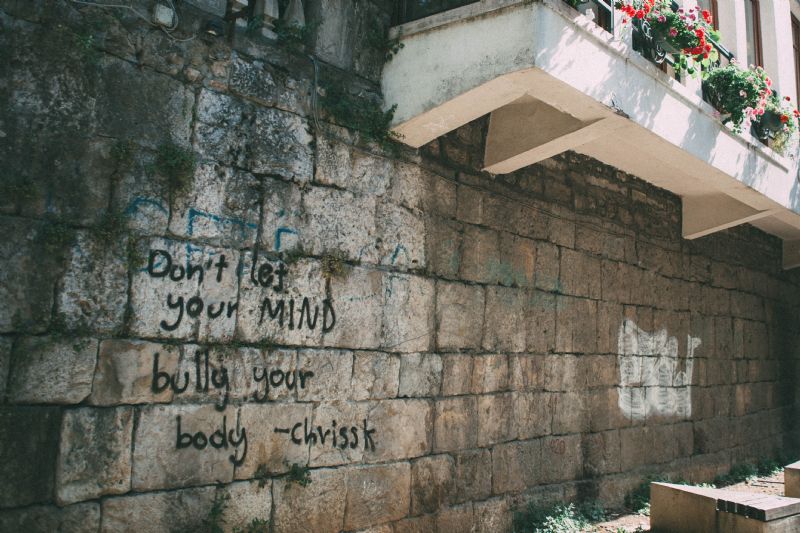
Another attraction located downtown is an old castle. Now renovated into a hotel, the original wall remains, and is decorated with graffiti.
The culture of Albania has been fascinating to me, and I’m excited to spend more time here and explore the country. Our ministry this month has been making contacts and building relationships with the people around us, and connecting them with the church that is here long-term. I have loved it so far and the opportunities it brings to learn more of the history and culture. I’ll definitely be sad to leave Albania.