Beliefs associated with FGM:
-The girl is considered to have moved from childhood to womanhood. This base has forced very young girls to feel too grown up and will drop out of school, even at the u nfortunately young age of 12 years old. Almost immediately after the ceremony, she is wed to an older man willing to pay the highest dowry and she will probably be one of many wives.
-Since this practice is carried out by traditional practitioners who feel that for a woman to show her toughness she undergoes this mutilation without any sedation or anesthetic. Though the young girl endures immense pain, she cannot cry, if she does it is believed that she is a coward and no one will marry her.
-Death due to this practice is not considered a loss but rather it is given as a sacrifice to the gods. The victim is not given an honorable burial, instead her body will be left for wild animals and the people are not supposed to cry or mourn.
Health affects associated with FGM:
-There is the likelihood that certain diseases will be passed from one victim to another as the traditional practitioners are fond of using the same mutilation tools for everyone. These diseases include HIV, hepatitis, and other blood-borne diseases.
-Some girls have died from over bleeding since the practitioner does not have any health measures to arrest the bleeding.
-Due to the nature of the practice, after mutilation, the vaginal area is left unprotected which can lead to urinary tract infections that can lead to more serious infections of the kidney, uterus, and even the heart.
Social affects associated with FGM:
 -This practice has seen many young girls drop out of the education system since they feel they can make adult decisions after crossing into womanhood. This lack of education prevents woman from knowing their rights.
-Girls are believed to be a source of wealth in the society and are therefore married off to anybody as long as he can pay the big bride price.
-Because these girls get married so young they are considered a lower priority than boys in the education system. They believe girls will cease to be members of the community once they are married and it is a waste of resources to educate them.
Protective measures to avoid FGM in Isebania:
The Kuria Christian Rescue Center for Girls Against FGM.
This is a church organization that works hand in hand with the government to make sure girls are protected during this ceremony. The FGM “season” is during the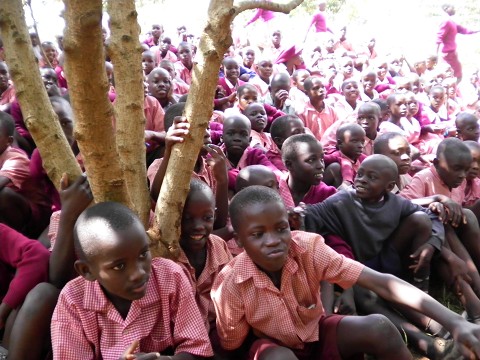 December holidays, when the girls have gone home from boarding school. The church rents out a facility for the girls who need protection during this period to run to and stay with during this month. The government provides the security at the facility in the event that families try to use force to remove the girls. When the girls choose to take advantage of this protection, they are protesting against their own parents, their community, and their peers, going home when the “season” closes isn’t always safe.
Challenges faced by Kuria Rescue Center during FGM:
-Very little manpower from the government is received.
-There are limited resources in terms of bedding, cooking utensils, learning materials, food, fuel, and medication.
-Parents sometimes refuse to take their children back into their homes.
-Unfortunately, the church cannot hold them any longer because it is quite expensive to house them.