
All college graduates naturally deliberate about where they will live following graduation. Many take off to the location of a new job post-graduation and a good portion of the rest (some more reluctantly than others) decide to return to the nest and settle-in again at home.
In my case, you could call me rather indecisive.
I have decided to settle in 11 different places.
Starting in September I will "launch" into a nomadic lifestyle, living out of a backpack, and engaging in so many different kinds of ministry through July 2012. If I live through China (I am pretty sure I've developed a soy allergy… ), I am especially looking forward to South Africa and I have high expectations that I will get to have some pretty amazing dance parties with the people I will get to live with around the world.
Some of you may have been wondering where I am going, and what I'll be doing, so I have updated my About Page to include more about the World Race itself as well as some more information on my own vision. Also, here's a breif overview of all the places I will be going:

Philippines
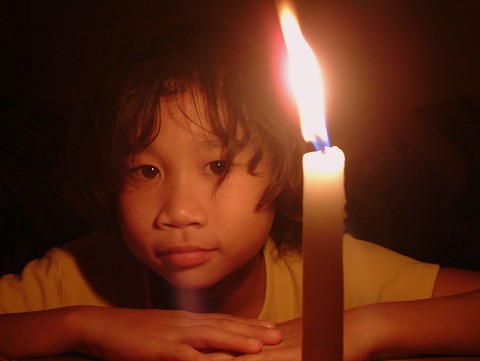
This Asian island nation, once a Spanish colony and an American protectorate, is a country in tension, trying to cross the threshold between the third and first world. It offers a variety of landscapes – beaches, mountains, volcanic lakes – and languages, with Tagalog as the national tongue. The Catholic Church is a substantial piece of the religious pie, however, Islam is growing in the island of Mindinao. The Filipino people and culture love music, dance and community. Some potential ministry possiblitlies include living with and giving hope to the destitute, caring for orphans, and challenging the growing number of Christ-followers to rise up.
China
Host of the 2008 Summer Olympics and home to 1.3 billion people, China is not just grand in land mass and population. Beside the Han Chinese, there are over fifty minority groups. While China has grown in leaps and bounds industrially, intellectually, and even economically, it's still a politically closed nation. Depending on where you are, you may meet Buddhists, Muslims, and Taoists; there are even churches – government approved and regulated. The underground church is extensive and continues growing, even thriving amidst persecution.
South Africa
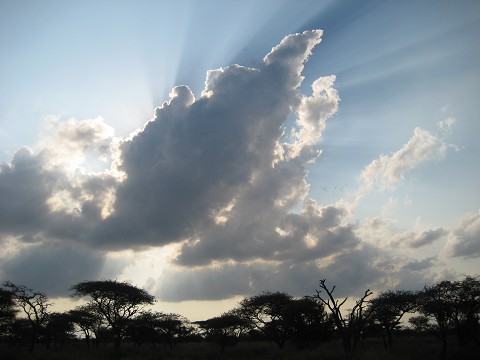
While it's been several decades since apartheid has formally ended, there is still more healing and reconciliation to take place in South Africa. This country is one of the wealthiest on the continent, and yet, much of the population that lives outside the cities is poor.
Like the rest of sub-Saharan Africa, this country struggles with a high rate of AIDS/HIV. Host to the 2010 World Cup and breathtaking natural attractions, it is also a place full of kingdom potential.

Mozambique
One of the most beautiful countries in the African continent, Mozambique is a favorite location of World Racers for a variety of reasons: the people, the landscape, the ministry partnerships, the miracles that this country has seen, and more. The former Portuguese colony is seeing signs of redemption and economic recovery; because of, or in spite of, the extreme poverty gripping the nation, the church grows. I will have the opportunity to teach, preach, and practice "true religion" with widows and orphans.

Swaziland
The Kingdom of Swaziland is one of the last remaining monarchies in Africa. Home to 1.1 million people and breath-taking scenic views, it's also where the world's highest HIV/AIDS infection rate lives (26.1% in adults and over 50% of adults in their 20s). It's estimated that by 2050, the country of Swaziland will not even exist. Young orphans are scattered throughout this nation that is in desperate need of attention. Additionally, 70% of this nation lives on less than 1 USD/day. For years, AIM has been committed to seeing these statistics reversed. Here, I will most likely find myself involved in a variety of outreaches, including education, orphan care, care point feedings, and more.

Bulgaria
This southern-central European country is the 16th largest in Europe. Its geography is varied with mountain ranges, plains and a coastline along the Black Sea. Its economy is growing, but among all the European Union members it ranks lowest in terms of income. Organized crime is an issue as is human trafficking. Bulgaria is mainly a source of trafficking in persons yet also, to a lesser extent, a transit point and destination of trafficking. Here, about half the population claims to be orthodox and over 10% are Muslim.

Eastern Europe ATL
Much of this region was under some communist regime for much of the latter half of the last century. Some countries are doing better than others in catching up; some of them are also sources, transit points, and destinations of human trafficking. I may live life with the Romani (or Roma), commonly referred to as Gypsy, a people group without a land of their own and long shunned by society. Through reaching out to orphans, teaching English, and running sports camps, I'll work with a generation caught between a Soviet past and the post-modern European present.

Serbia
Formerly a part of Yugoslavia, this country has been through it. Under Slobodan Milosevic, ethnic Albanians living in Kosovo, now an independent nation, were either displaced or killed. After Milosevic, things haven't improved much. Here, too, organized crime and human trafficking are issues.

Nicaragua
Considered a World Race favorite, it's a country full of wonderfully warm and caring people, and participants always leave having had a powerful experience. However, hopelessness, addictions, destitution, and poverty still plague the many lives of Nicaragua. There are orphans who have grown up without knowing the love of a parent and families who get by each day by scrounging scraps from the city dump where they have made their homes. Some potential ministry possiblitlies include: bringing God's love through slum ministry, door-to-door outreach, outreach to children, and more.
Honduras/ El Salvador
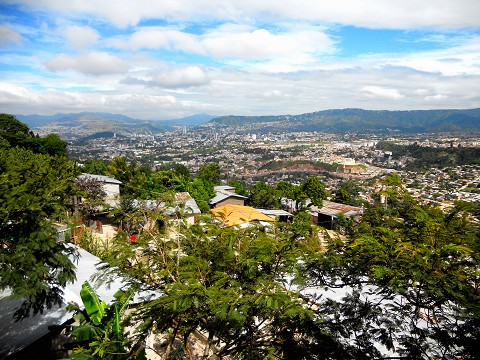
I will spend this month in either of these Central American countries. Honduras is the third poorest in the region, after Haiti and Nicaragua; El Salvador, on the other hand, is the third largest economy in the region after Costa Rica and Panama. Both have had their share of political/military troubles: for El Salvador, it was a coup d'etat in 1979 that led to civil war from 1980-1992; Honduras went through a six-month constitutional crisis. In both countries, there's a need to reach out to the youth – not just to keep them out of trouble (like, gangs) but for them to know their worth and that they're loved.

Guatemala
Outside of its abundance of aesthetic appeal, Guatemala is a country in desperate need. Gripped by poverty and bound to a spirit of religion, the people of Guatemala are hungering to see the kingdom of God invade their lives. I'll have the opportunity to usher in the kingdom to this land and to these people in the form of relationships through incarnational ministry (read: living just as they do), reaching out to the people in the fringes of society, hard work, and maybe even a miracle or two.







