Before I first started this trip, Eastern Europe to me was the ‘social justice’ continent. From reading all about how human trafficking plagues the region, I imagine my time here to be that of rescuing victims of oppression through networks of safe points scattered throughout the region, akin to a modern day Underground Railroad. That I would join in with others who devoted their whole lives to setting captives free. That I would be risking my life going up against organized crime that apparently head this illegal trade. But then I was taught to throw away expectations. And I expected my time in Eastern Europe to be like any other, unpredictable and that my if I had any expectations, it would be foolish to do so because they were unreal. I forgot what I originally envisioned my time here in Eastern Europe to be. Last month for ministry, I shoveled snow. Though very different from what I originally expected, I was more than content.
As Nasko and I were plucking roses on the row (again, not very associated with social justice), he asked me what I was going to do once I’m done with this trip.
“I’m going to open up a bakery.”
“Oh yeah.”
“Yeah, I’m hoping to use all fair-trade ingredients.”
“Fair-trade?”
Then came the daunting task of me trying to explain the concept of unfair-trade. Daunting because the idea of such a thing is very alien to people, especially those of us who lived in the Western world. Because even some of my own squadmates deny its existence in defense, something that angers me and makes me look at them with contempt and I ask myself “Are you f’king serious?”
With a brief and short explanation in a language that is not native to his own, Nasko understood very clearly what I was talking about. This shocked me because he grasped the idea better than any of my teammates ever did.
“It happens a lot around here. Employers would cheat their workers and they would never receive a pay check after months of work. Bulgarian women are trafficked into Greece to work as maids but they would never receive any compensation.”
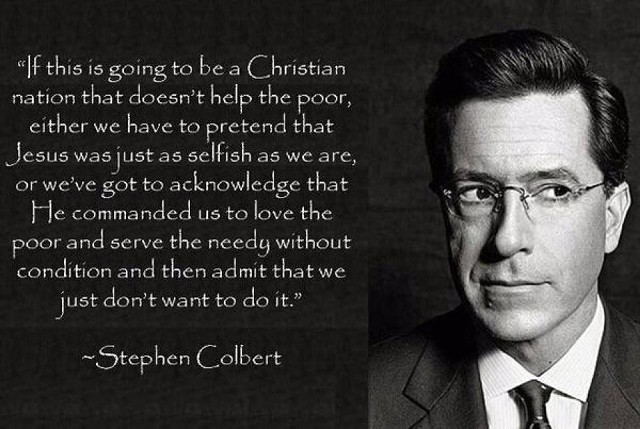
And then I remembered my original vision for this continent. In many of Jesus’ parables, He would often tell of a Master going away and leaving his stewards to be in charge of His land. When the Master came back and saw that any of the stewards did a bad job, there was hell to be paid for. The parables of judgement: the Unforgiving Servant, Sheep and Goats, Lazarus and the Rich Man, all have to do with social justice.
As threatening as these passages may seem to us, they subtly speak of a hope for others.
The Lord said, “I have come down to rescue my people..” Exodus 3:8
“Because the poor are plundered and the needy groan, I will now arise,” says the LORD. “I will protect them from those who malign them.” Psalm 12:15
In the midst of oppression, a liberator!
For some comic relief
not really…
womp womp