
A little back ground on the Karen, which is a large ethnic group found in Southeast Asia. They trace their origins to the Gobi Desert, Mongolia and Tibet. The Karen’s in many ways resemble the Israelites and relate to the sufferings they endured. The Karen’s settled in Myanmar (known as Burma until 1990, when the military government changed the country’s name.) as far back as the seventh century. It was during the 1700s that the Karen people began living in Siam now called Thailand. They live in tribal societies governed by chiefs and princes. The Karen people saw protection under British rule until post WWII when Burma gained its independence from Britain. The Karen people at the time expected to gain their own nation but instead were absorbed into the new Union of Burma. Problems began immediately and resulted in the Burmese government killing, enslaving and raping many of the Karen. A Karen insurgency sprang up and threatened to gain control of the Burmese capital, Rangoon. The government pledged to quell the rebellion and unify the country by force. There has been a consistent pattern of deliberate human rights violations inflicted on the Karen people causing hundreds of thousands to flee to refugee camps and small village outpost in Thailand. While few people know about this conflict its stands as the longest running rebellion in know history.
It’s estimated that there about 5 to 6 million Karen in the world with a majority of them still living i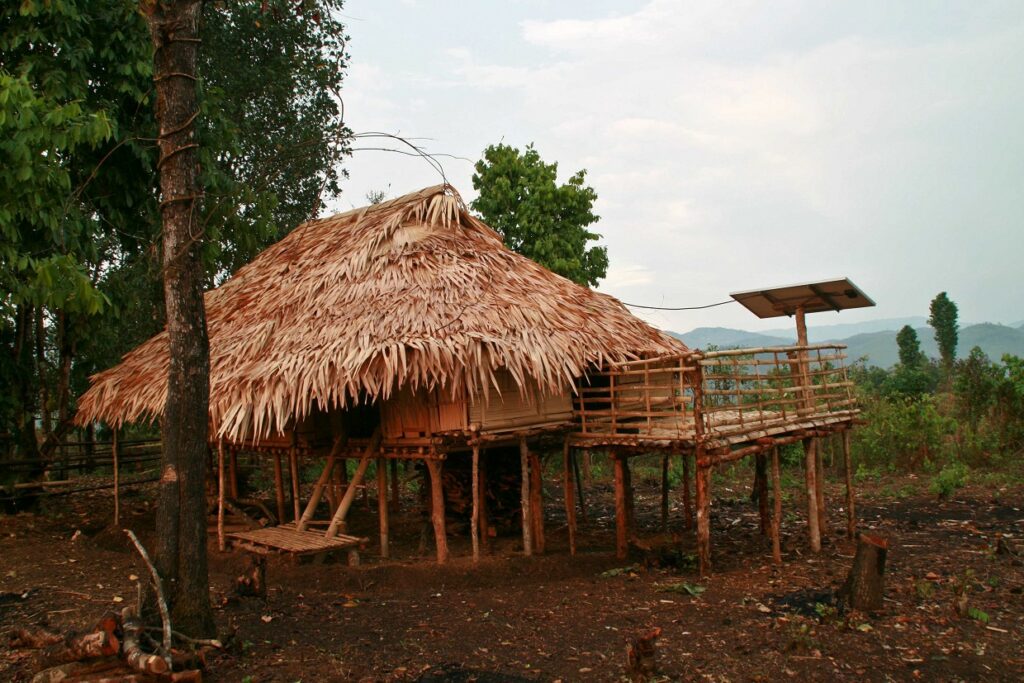 n Burma. I got to meet about 50 of them in Mae Kwee Chaa. Nestled in misty mountains with more valleys than one would want to count stands 20 huts one of which houses a Karen Christian pastor. He has spent the last few years building the only church in the area. We arrived a few days before Easter and the only thing left was to paint the building. Our days consisted of sanding and painting and at night we slept out in the open air in grass huts. I have to admit seeing a persecuted people who lack the basic necessities of life investing materials and time into a Christian church that is not easily accessible is overwhelming to say the least. The pastor and his wife cleared out there home for several days to make sure that the 11 of us were comfortable.
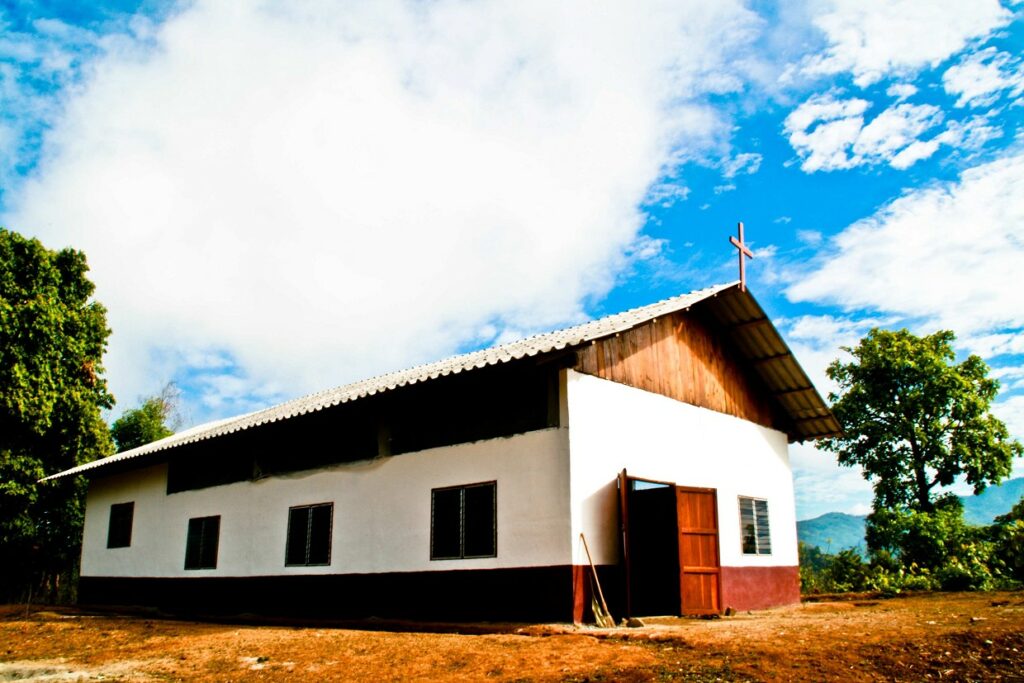
At first it was hard to befriend the villagers because they all looked very serious with their weathered skin and stained teeth from the Beatle Nut that they chew. However, as we began to interact with the children they grew friendlier. It’s probably worth mentioning that we are only the second white team to travel through their village. By Sunday we had the project complete and we hosted a service. I counted roughly 40 people at one point, which amazed me because it just so happened that the local witch doctors paid a visit on that day. This church is the light on a lamp stand that Jesus talks about. Christianity is the minority in this area but about 8 other villages that don’t have churches surround Mae Kwee Chaa. God is moving in places that most don’t even know exist; I surely was not aware of this place. God has reached the ends of the earth and it stands as a testament to His promise.







