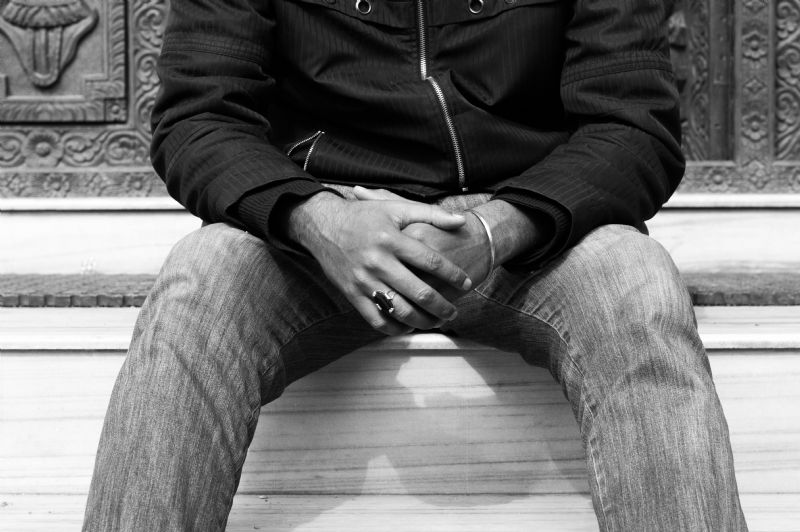
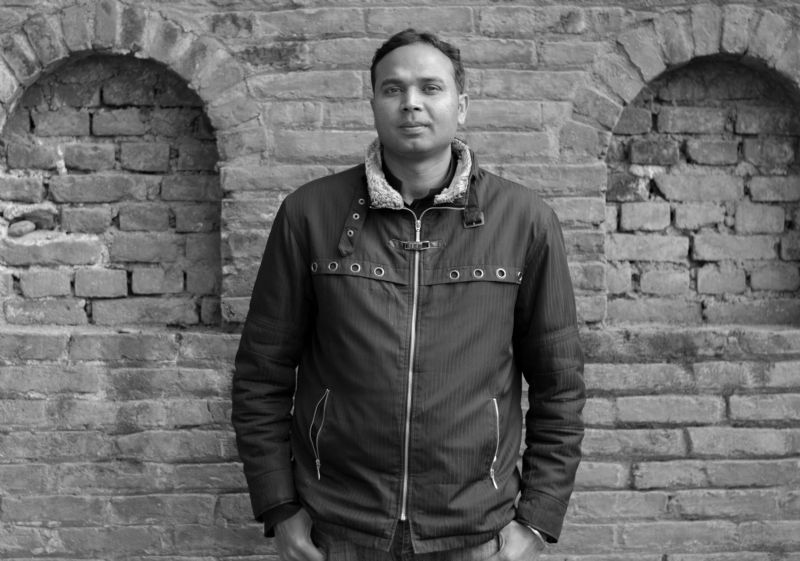
“If you don’t forgive, what’s the difference between you and them?” As I sat on a cushioned mat on the floor of our host’s headquarters, this question left me speechless. Not because I don’t believe in forgiveness, but rather because I’ve never had to forgive in the same manner as the man who spoke these words to me.
I know that persecution happens. Lately, news and social media has been filled with stories of kidnappings and beheadings of the Christian church around the world. So for me, it’s something that happens in distant places. Meeting Shiraz Majeed changed that.
Shiraz was born and raised in Pakistan in a Christian-converted family. When he was six months old, he became very sick. It was at this time that an evangelist prophesied over him and told Shiraz’s parents that he was to be raised for God. So, at an early age he learned about God and Jesus.
As he spoke to me, his love for God became apparent; his dark eyes shone despite the dim light in the room. He began to share a little about his life with me and his second love became clear, too – music. A slight smile was fixed on his face as he described how God inspired him to write three books of poetry, and then taught him to play the harmonium at a level that usually took years to develop.
However, as he began to share his story, that shine was replaced by a slightly haunted look.
When Shiraz lived in Pakistan, he often visited mosques and Sikh temples to hand out information about Jesus. In December of 2013, he was doing exactly that when a group attacked him. The police quickly intervened and helped him escape, but not before the group told him not to come back, threatening to kill him if he did. He got lucky that day. Other than some bruises and cuts he was okay.
But he was now known in the area and, ultimately, that is what threatened his life. Although he would not go back to that same temple neither would he stop teaching about Jesus.
On January 26th of 2014, Shiraz was waiting at a bus stop when two cars pulled over and five men wrestled him into one of the cars. Eyes covered, he was driven for over 90 minutes before being beaten and locked in a cell. The men spoke a local dialect he didn’t know, which left him unaware of where he was, or why he was there. Eventually another man entered the cell to question him.
They wondered why a man with a Muslim name taught about Jesus. They asked if he understood that what he was doing was wrong and that he was speaking against Islam.
Shiraz was given one option. Deny Christ or die.
“I know about Jesus. He’s everything for me. If you want to kill me it’s ok, but I won’t deny Jesus.” This was his response.
For over twenty-five days Shiraz was in captivity and each day brought brutal beatings. Metal rods and gun handles were the weapons of choice for this ruthless violence. And each time he was given the same options, deny Christ or die.
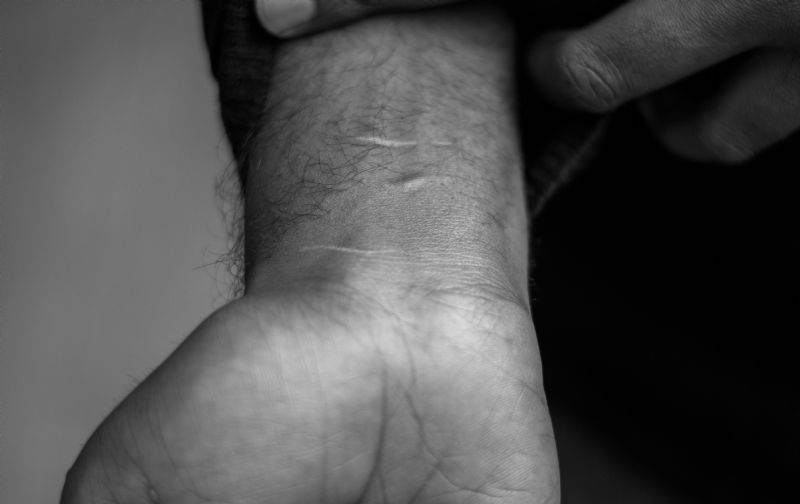
With an outstretched arm, Shiraz showed me the scars where they cut his veins open. He described cracks in his left leg and foot bones and injuries to the lower discs of his spine, which left him in excruciating pain and still gives him problems today.
After two weeks Shiraz was moved to another facility – this time he could hear cars, bikes, and city noise outside the compound walls. His random schedule of beatings continued.
When I asked him what he did between beatings, he said, “There’s just one thing to do, and that is pray.” He also told me about what he learned during that time – patience. Patience on God. Patience for food. Patience to know what would happen with his life.
After over twenty-five days of praying and waiting he finally came up with a plan. The guards began to be more lax with him in the new facility. There were fewer guards and less monitoring. He was able to keep track of days. Fridays were a time of special prayer, and he knew he would have more opportunity then. On a Thursday, he pretended to be sick, asking to use the bathroom multiple times throughout the day. The next day his guards allowed Shiraz to use the bathroom alone. All of the windows and doors had metal bars over them except for one small window in the bathroom. He was able to break the wooden planks that were nailed over it and leave while his guards were in prayer. He took some clothes he found hanging outside to cover his bloodstained garments and made it to a coming car.
The fight wasn’t over. Shiraz still needed to get out of the country before he was found again. And, in fear of his life, he was unable to get the treatment he desperately needed for his legs and back. But God told him that as he applied for refugee status, he needed to find refuge in Christ. When he began to do so, God provided refugee status in only 2 months.
His past year has been a flurry of changes. He’s now in Nepal, where he’s lived with countless strangers and friends before moving in with an Iraqi couple who had to flee their own home. He recently began his studies to receive his Masters of Divinity and is about to get married. His time in captivity prepared him for this constant state of waiting and he continues to do so. He is now awaiting and praying for a non-Nepali financial sponsor so that he can remain in Nepal.
As I listened to Shiraz’s story, one final question lingered in my mind. I had wondered about it as he described the kidnapping and again at his descriptions of torture. The weight of what he shared made me believe it near impossible, but his calm and serene voice left me questioning. So I asked,
“Have you been able to forgive these men?”
Looking down he nodded slightly considering his response. During captivity he’d had plenty of time to consider this. He remembered Jesus’ final words before dying on the cross, nails piercing his palms and feet, blood dripping from his side. “Forgive them Father, for they know not what they do.” As Christians, Jesus is our ultimate example and Shiraz knew he had to forgive those misguided men.
His eyes met mine as he spoke words I will never forget, “If you don’t forgive, what’s the difference between you and them?”