
I’m sure many of you are wondering what countries I will be traveling to, why these specific countries, what we will be doing, and so many other things. So, here’s a blog that can fill you in on some of those very things!! Buckle up! Cause you are about to be blow away!!
________________________________________________________

Cote d’Ivoire — Africa
- Literally named “Ivory Coast”, Cote d’Ivoire’s name comes from the now-illegal trade of elephant tusks, which wiped out the elephant population in West Africa by the end of the 20th century.
- Cote d’Ivoire is a nation of exports. Though it is one of the most successful nations in West Africa, a quarter of the population lives under the poverty line.
- Many adults—especially women—are illiterate, and 36% of females have suffered from female genital mutilation. Teen pregnancy and HIV rates are high.
- Cote d’Ivoire is very open and hospitable.
- Cultural expectations of men and women are quite different. Overall, the status of women in Ivorian society is quite low with their patriarchal values. Women are often expected to serve the men.
- You can easily make friends here if you attempt to get to know the culture. Try out the language and try on their traditional clothing!
Language: French
Religion:
- Islam (mainly Sunni) 40%
- Catholic 20%
- Protestant Christianity 26%
- Animism 13%
- Unspecified 1%
________________________________________________________
Ghana — Africa
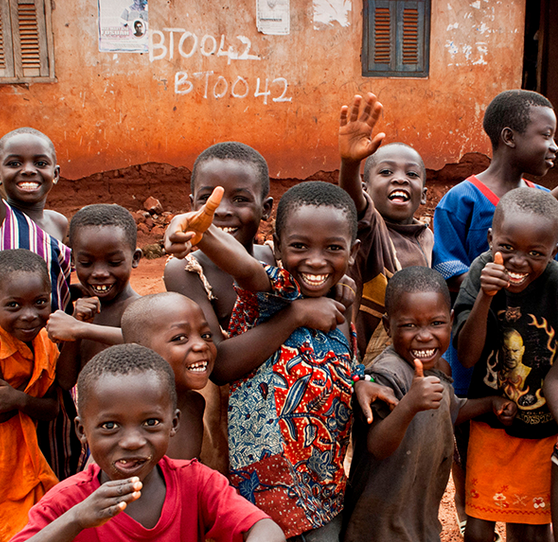
- Home to the largest waterfall in West Africa and beautiful sandy beaches, Ghana is a popular vacation destination for tourists looking to explore Africa’s natural beauty.
- The nation has one of the strongest economies in Africa and one the highest school enrollment rates on the continent—over 95% of children attend school.
- Yet not everything is perfect in Ghana. This country is a source, transit, and destination country for the human trafficking of both adults and children.
- This nation, literally named “Warrior King”, needs to fight for its people.
- The Ghanaian people have been able to stay relatively free from serious internal conflict and they take much pride in this. Family is a very strong bond in Ghana and is the primary source of identity, loyalty, and responsibility. Family obligations take priority over most things.
- It is important for Ghanaians to maintain dignity, honor, and a good reputation. In order to save “face”, they try to maintain a sense of harmony; people will act with decorum at all times to ensure they do not cause anyone embarrassment.
Language: English, along with many regional tribal languages
Religion:
- Protestant Christian 58%
- Muslim 18%
- Roman Catholic 13%
- None 6%
- Tribal Religions 5%
________________________________________________________
Togo — Africa
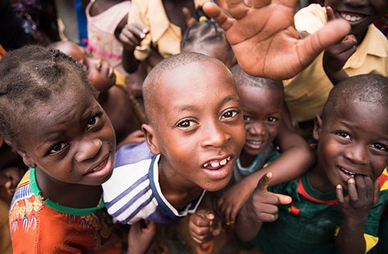
- A West African nation neighboring Ghana and known for its beautiful beaches and villages dotting the hilltops.
- Togo is a multicultural country with many languages but their official language is french.
- 50% hold indigenous beliefs and adhere to traditional African beliefs including animalism and the forces of Nature.
- The spirit of voodoo and pagan worship stems from Togo and remains a strong hold there today.
- Christianity has existed in the area for some time, however the Gospel is still foreign to most of the population.
- This is a new country for the World Race, so you will be pioneering it for the organization.
Language: French
________________________________________________________
Myanmar — Asia
- Myanmar’s story is of a struggle for independence.
- Political groups have fought an ongoing war in this country for over 60 years.
- Commonly called Burma but officially the Republic of the Union of Myanmar, political unrest and human right violations have led to nearly 200,000 refugees residing within Myanmar and neighboring countries like Thailand.
- Natural disasters, a sinking economy, and corrupt government have led to despair and poverty for many Burmese.
- Due to the religious beliefs of the country, it is considered highly inappropriate and offensive to touch children on the top of their heads.
- It is considered improper to lose one’s temper or show too much attention when in public. As a whole, the Burmese are very friendly and outgoing people.
- When meeting a person for the first time, shaking hands and a nod of the head is an appropriate way to greet someone.
Language: Burmese
Religion:
- Buddhism 88%
- Protestant Christianity 6%
- Islam 4%
- Other 2%
________________________________________________________
Thailand — Asia
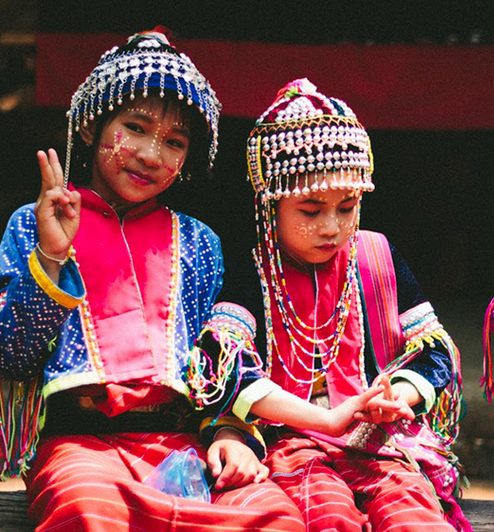
- Behind Thailand’s beautiful beaches, its people’s smiling faces, and the tropical jungles lies a terrible secret: modern day slavery.
- In Buddhist culture, women work to support their families so men can earn spiritual merit as monks. Many parents send their daughters to work in cities where the only option is prostitution.
- As the country’s natural beauty continues to draw visitors, sexual tourism continues to grow. It’s estimated 60% of tourists visit the Red Light Districts—and 90% of Thai men visit local karaoke bars for the same reason.
- While Thai culture is marketed overseas as a tourist friendly, “anything-goes destination” where normally outlandish behavior is celebrated, most Thais are traditional and conservative.
- There is a great cultural divide between the Bangkok urban area and the more conservative and rural regions of northern Thailand.
- Travelers should be respectful around important Buddhist temples and shrines, should avoid wearing shorts or sleeveless shirts at temples or religious sites, and also avoid touching locals on the head or hair, as the head is the most sacred part of the body in Buddhism.
Language: Thai
Religion:
- Buddhist 94%
- Muslim 5%
- Other 1%
________________________________________________________
Malaysia — Asia
- Located in Southeast Asia, Malaysia has one of the most competitive economies in all of Asia.
- Known for the tallest twin towers in the world, the Petronas Towers, it is a rising power in our global economy.
- With a large number of immigrants from India, Thailand, China, and Burma, Malaysia is culturally rich, with heavy influences of Hinduism and Buddhism. However, this culturally diverse and rapidly developing nation is mostly Muslim.
- With 61% of the population practicing Islam and 19% claiming Buddhism, the majority of Malaysians have never heard the Gospel.
- Visitors should be aware of Muslim customs, especially the ban on Muslims drinking alcohol or eating pork. It is also important to refrain from discussing religion and commenting on Islam.
- Western women should dress modestly at all times, concealing their thighs and shoulders. Most people wear Western-style clothing. but is okay to wear traditional clothing (or a mix of the two).
- Visitors should use their right hand to eat food when they are using chopsticks or their bare hand. The left is considered unclean. When receiving items from others, use both hands.
Language: Bahasa Malaysia, English, and Chinese
Religion:
- Muslim 61%
- Buddhist 20%
- Christian 9%
- Hindu 6%
- Other/None 4%
________________________________________________________
Philippines — Asia
- Known for its diverse terrain of mountains, volcanoes, and beaches, the Philippines is a popular haven for tourists.
- A melting pot of cultures, religion, and tradition, the beautiful people of the Philippines are very diverse, with influences from America, Spain, and other Asian countries.
- More than a getaway for Westerners, this 7,000-island archipelago is home to many who earn less than 15 cents per day, giving them the status of “ultra poor”.
- In order to survive, some have resorted to prostitution and human trafficking.
- When visiting religious sites, visitors need to cover shoulders and legs.
- Traditionally, there is no physical contact between opposite genders in public. Men should wait for a Filipina woman to extend her hand. Foreign women may initiate a handshake with Filipino men or women. Close female friends may embrace when greeting.
- The concept of “face,” which has to do with pride and respect, is very important. Causing someone to “lose face” can have a serious negative effect on personal relationships.
Language: Filipino/Tagalog and English
Religion:
- Catholic 83%
- Protestant Christian 7%
- Muslim 5%
- Other 5%
________________________________________________________
Argentina — South America
- Known as a Crisol de Razas, or “a crucible of races,” Argentina is the largest Spanish-speaking country in South America and the eighth largest country in the world.
- It is a nation of immigrants, where the mix of languages and cultures have created something all its own.
- It is also a nation of tradition; and while 92% declare Roman Catholicism as their religion, only 20% practice it.
- The people of Argentina long for a relationship with Christ.
- In Argentine culture, both men and women greet and say good bye to each other with the Latin beso, or kiss, on each cheek.
- Argentine people use the singular term vos instead of tu. Both of these are casual address; they use usted when speaking with elders or superiors.
- Physical distance in conversation in Argentina is a lot closer than in Western countries, and people talking will touch each other throughout the conversation.
- Argentines eat dinner late in the evening, starting around 9pm, and the meal could last for hours.
Language: Spanish
Religion:
- Roman Catholic 92%
- Other 4%
- Protestant 2%
- Jewish 2%
________________________________________________________
Chile — South America
- Because Chile stretches two-thirds the length of South America, it is home to an impressively varied climate: from the world’s driest desert in the north to Patagonia in the south.
- It is a country rich in history, culture, and the arts, and is a popular tourist destination in South America.
- Chile is also one of the most prosperous and successful countries on the continent, with a high standard of living and continual economic growth. About 85% of its people live in major cities, with the rest of the population in more rural areas.
- Chileans are more formal and scheduled than other Latinos.
- They also are very proud of their culture. If you research their history and learn some Spanish before going, they will be very relational with you and very open to talking.
- Roman Catholicism and Baptist churches are the common forms of Christianity in Latin America. Drinking, smoking, discotecas, and tattoos are not something Christians do in Chile and most of Latin America.
- Chileans love music and the arts.
Language: Spanish
Religion:
- Roman Catholic 67%
- Protestant Christian 16%
- None 11%
- Other 6%
________________________________________________________
Bolivia — South America
- Although the poorest country in South America, Bolivia is the wealthiest in terms of natural resources. From the Andes Mountains to the Amazon Basin, Bolivia is full of natural beauty.
- However, the truth wealth of Bolivia is its people.
- The most indigenous country in South America, over 60% of the population traces their heritage back to one of over 30 different ethnic groups. Ancient traditions and social customs heavily influence the local culture.
- Bolivia is rich in folklore tradition, including a regional folk music unlike any other. There are many dances and traditions that are performed at carnivals and festivals across Bolivia.
- Modesty is usually expected of women in much of Latin America. Walking with confidence and conservative dress are helpful when relating with the culture. The best advice is to imitate well-dressed Bolivian women to assimilate with the culture.
Language: Spanish and Quechua
Religion:
- Roman Catholic 77%
- Protestant Christian 16%
- None 5.5
- Other 1.5%
________________________________________________________
Peru — South America
- From the breathtaking Andes Mountains and vast coastal deserts to the lush, tropical rainforests of the Amazon Jungle, Peru is one of the most biodiverse countries on Earth.
- The birthplace of several proud, ancient civilizations, present day Peru is home to multiple indigenous groups who blend into a unique and beautiful culture.
- Sadly, the people of Peru struggle with extreme poverty and class inequality.
- Government corruption hinders economic development, and many people face problems like teenage pregnancy, substance abuse, and crime.
- The Peruvian concept of time is fairly relaxed; however, international visitors, to whom punctuality is more important, are expected to be on time for appointments.
- Men and women shake hands on greeting. Good friends may embrace or kiss. Women may kiss on either cheek.
- Conversational space is closer than in other countries. Do not back away, as this might offend the speaker. Often members of the same sex will rest a hand on each other’s arm during conversation.
Language:Spanish
Religion:
- Roman Catholic 81%
- Protestant Christian 13%
- Other 3%
- None 3%
________________________________________________________







