
Public education in Panama is only exists until fifth grade. Beyond primary education, there are options to continue schooling, however, it is not publicly provided. There is also a large indigenous population in Panama. The culture in these communities is much more reserved than other parts of Panama and the world. These families partake in subsistence farming as well as hunting. Men often spend a few months out of the year working seasonally on coffee plantations throughout Panama. If you visit more tourist locations such as the town Boquete, some indigenous workers will sell handcrafts including traditional dresses, handbags, and jewelry.
Indigenous family selling clothing and handcrafts at a waterfall in Boquete.
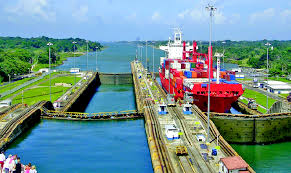
The largest industry in Panama is the Canal. It costs over $300,000 just to move a ship through the port! Since 2000, the canal has been expanded to accommodate more business. Additionally, a portion of the profits from the canal are taken by the government and reinvested in infrastructure.
Alcoholism is one of the largest issues in Panama. On face value- this looks like just a family issue, however, its roots run deeply into a number of spheres including the economic welfare of the population. Over 80% of all children in Panama are born out of wedlock. Thousands of children are left to be raised by single mothers. Without the male in the household who typically provides the stronger income- especially in the indigenous populations- these women and children are left with a few options. Some mothers are not able to work who others find smaller jobs and look to other family members to take care of their children. Becoming a maid or working as a cashier at a store are two common jobs for Panamanian women.
Minimum wage in Panama is $2 per hour. A number of benefits are included by the employer though including health care coverage. An average wait time to see a physical is three months and there are fairly long waitlists for emergencies as well. Despite the low wages, employers have an incentive to keep their wages low and have high turnover. Every three months, employers are required to bonus their employees 10% of their earnings. It is common for low skilled jobs such as store employees to be fired or let go prior to the three months to avoid paying any bonuses. Some business owners will rotate employees as well to avoid the extra labor costs.
A street vendor selling snow cones.
By Panamanian Law, employers are required to give their employees one month of paid vacation and two weeks of personal leave. There are significant layers of bureaucracy and serious amounts of paperwork that are required of employers. If an employee is fired, or leaves, there are high severance fees. In order for employers to protect themselves- it is in their best interest to keep wages low to cover the incredibly high severance costs that accumulate over the course of the employees time with the company.
A “touristy” coffee shop called the “Perfect Pair.” One of our favorite places to visit!
In regards to prices, some things are higher than the United States and some are lower. Gas is between 70 and 90 cents a liter- which ends up costing more than in most American states. Used items such as cars, washing machines, etc tend to cost much more than in the United States. Imported good such as American cereal brands cost as much if not more than in the United States while most other generic goods cost about 25% less than in America. In high tourist locations- prices tend to be higher as well. Due to the high bureaucracy and difficult labor laws, entrepreneurship is discouraged. Manufacturing plants are also discouraged from relocating to Panama. Instead- Panama continues to have a dominating service sector in their labor market.
Some of my team’s favorite treats. Duros are the best popsicles you could ever buy and they are made with different types of fruits, sugar, and rice. You can buy them for 25-50 cents at a number of homes.
“Greengos” or white Panamanian immigrants make up a decent proportion of the population here as well. Many Americans, Canadians, etc retire in Panama which also adds a boost in demand to the economy. These individuals are living on American pension plans and have more money to spend than many native Panamanians.
Trade is another important topic. Certain goods such as peppers and onions have been blocked because other nations (such as the United States) are able to sell the same goods below production value of Panamanian workers. These trade blocks are important because they protect Panamanian farmers! If these goods were to be sold int he same market, Panamanian farmers would be driven out of business and significant unemployment would take place.
I found a cornfield in Panama! A little piece of Iowa!







