
History in the Making II: The Realm of the Real
Gary Haugen shares how he came face to face with unavoidable reality.
…In April [of 1994], small news stories began to appear about the outbreak of ethnic conflict in an African country I had hardly heard of, Rwanda. Before long the news carried pictures of bloated corpses choking the rivers of Rwanda, and commentators used the word genocide. It seemed thousands, maybe millions, of Tutsis were being slaughtered by their Hutu neighbors in genocidal hysteria sweeping across the country. But like much of the global ugliness transported by television into my living room, it just didn’t seem real; it seemed true, but not real – the way descriptions of life in ancient Rome seem true, but not real. Or reports about how many stars there are in the Milky Way – all true enough, but not real. Not real like my kids when they are sick. Not real like my job when I’m falling further behind in my work.
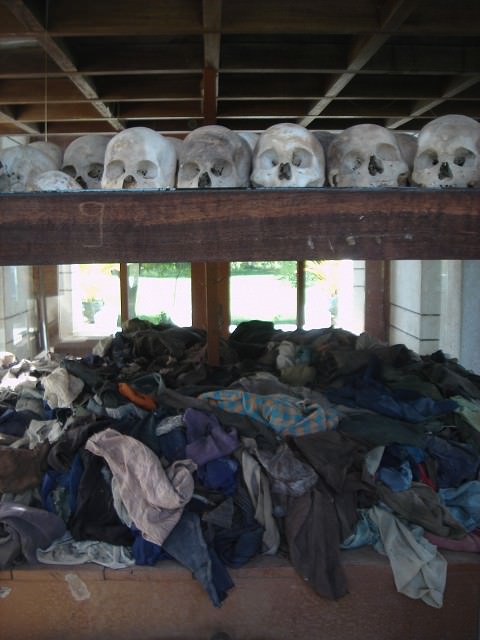 But within a few months it became all to real as I found my own feet slipping in the mud of a mass grave in Rwanda. In September 1994, immediately after the genocide had exhausted itself, I was put on loan from the Department of Justice to be the director of the United Nations genocide investigation in Rwanda.
All murder investigations begin with the location of the bodies, so I was given a list of one hundred mass graves and massacre sites and began my journey there. As we would soon learn, approximately eight hundred thousand people were murdered in the short span of about eight weeks. Slipping in the mud of that mass grave, I stopped wondering how I might have fared in the great moral struggles of history. It there became abundantly clear that such struggles are not matters for idle speculation; such struggles are now.
I often wonder how close we have to get for reality to permeate our shields of disillusionment, detachment, and denial. We like to look at such things from a distance. That’s why history books are not as invasive and troubling to our consciences. Mostly, I think we tend to be satisfied with the distance offered us by our televisions and the assurance of our world maps that said country is very far away. I understand. I try to do the same thing, mostly because I know coming face to face with such things will keep me up at night. We know that there will be no quieting of our consciences once we know the reality. I think it is perhaps this collective attempt at self preservation that permits our very destruction.
Even if we decide we do want to make this move toward embracing the modern reality of these “man-made disasters of epic proportions,” the question remains. How close do we have to get?







