
1.9% of Romania contains the Gypsy culture.
“But store up for yourselves treasures in heaven, where moths and vermin do not destroy, and where thieves do not break in and steal. For where your treasure is, there your heart will be also.” Matthew 6:20-21
I am studying through the book of Matthew right now and during one day of ministry while I was praying in a gypsy family’s home, the words of Jesus came flying back at me. My friend and teammate, Shawna, was also directed to Matthew as well to encourage the gypsy family.
“Therefore I tell you, do not worry about your life, what you will eat or drink; or about your body, what you will wear. Is not life more than food, and the body more than clothes?…Can any one of you by worrying add a single hour to your life?” Matthew 6:25-27
This month we have had the honor to work primarily with the gypsy people. We visit families in four different villages: Foi, Cornesti, New Village, and Cinta.
When you think of “gypsy” what characteristics come to your mind? Nomads, beggars, thieves, all poor, all traditional, a drain on society, and Esmeralda from the “Hunchback of Notre Dame”.
But, that’s not true for all gypsies.
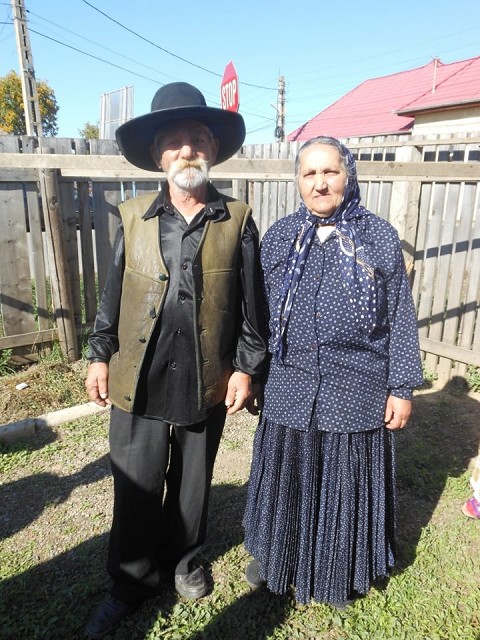
We have worked with two types of gypsies this month: traditional and home gypsies. The traditional gypsies we encountered are richer than the home gypsies and they have multiple homes around the countryside or even across borders. The traditional gypsies typically have larger generational homes that house their entire family. Home gypsies are typically much poorer and they live very simple lives. They are very crafty in their jobs, such as metalworking, woodworking, carpentry, and horse trading. Originally in the 1300’s, they served as a source of seasonal farm labor, traders, repairers of household goods, fortune tellers, and spreaders of news & gossip.
Did you know that the gypsies migrated from India to Europe about 800 years ago?? Gypsies speak various dialects of their language along with the language of the area they live in. Gypsies were once enslaved by Europeans and, once they dispersed from their enslavement, they developed their own internal subculture with its own unique customs, social structure, professions, and spiritual beliefs.
Interesting fact, the gypsies stayed on the move because they were thought of as advanced troops of an Ottoman invasion which didn’t allow them to establish permanent settlements.
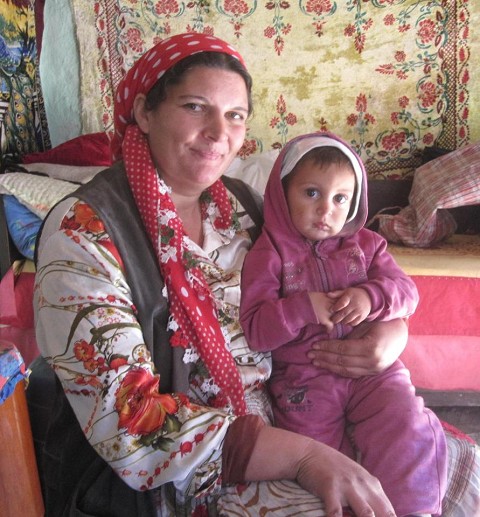
Today, traditionally gypsies marry young ranging in age from early-mid teens. One of the families we have been blessed to work with is Addy, who is a 21 year old woman with four daughters, the oldest one is six years old. The gypsy culture does not traditionally embrace organized religion because they have deep-seated spiritual beliefs of their own and they have a high respect for their elders.
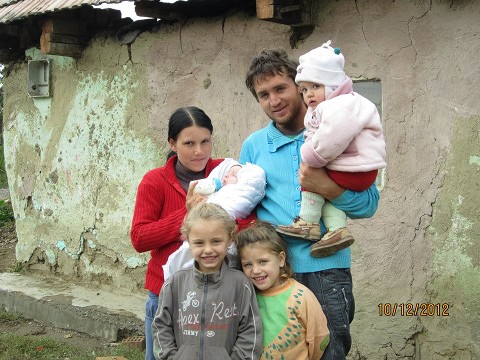
Addy & her family, a Home Gypsy family
It’s fair to say that everybody has had those days where they are just unhappy with life. One particular day of ministry that’s all I felt from the families we visited. A lot of moans, groans and prayers for financial blessing were being spoken. And then God placed these words on my heart for the gypsies that I wrote down in that moment.
I want you…
To feel blessed, not oppressed.
To feel beautiful, not dirty.
To feel rich, not poor.
To realize your worth and treasure.
Rich in Heavenly blessings,
Rich in the Father’s love.
“But seek first his kingdom and his righteousness, and all these things will be given to you as well. Therefore do not worry about tomorrow, for tomorrow will worry about itself. Each day has enough trouble of its own.” Matthew 6:33-34
This is my prayer for the Gypsies.
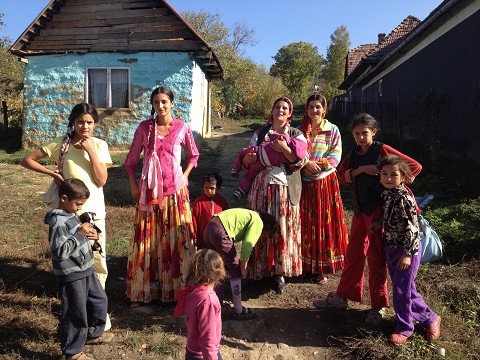
An Amazing Traditional Gypsy family we worked with
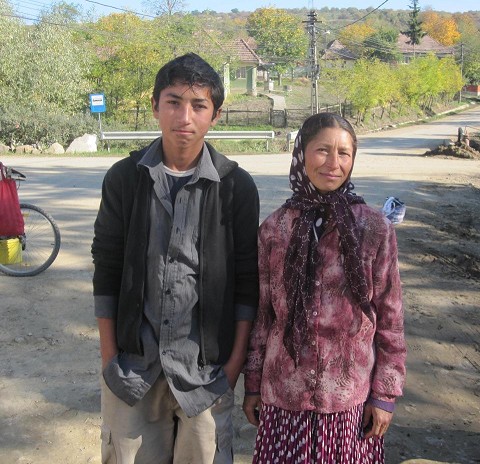
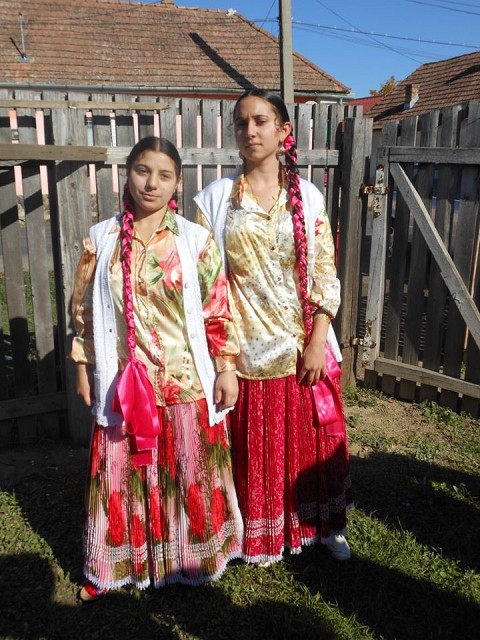
**All research was obtained from: http://www.channel.nationalgeographic.com







