
that spans cultures and centuries. From Iran, where the perfect nose is
considered the ideal form, to parts of West Africa, where fat is
fabulous, one country’s beauty can be another’s ugly, or at least
bizarre. Americans may obsess over the skinny, plastic ideal, but we
aren’t always the norm. A look at beauty trends and rituals from around
the world.


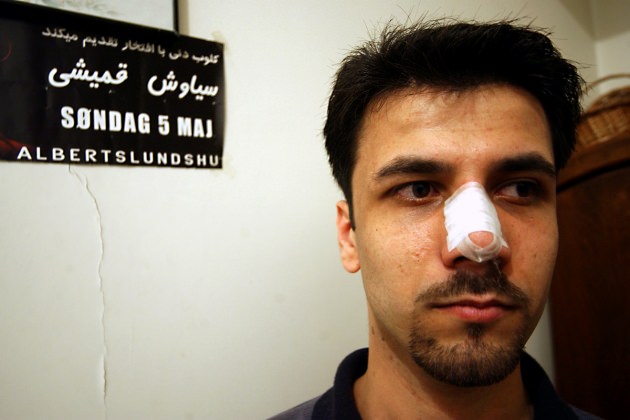
beauty and a display of status, which has made Iran the nose-job
capital of the world. The surgery was once a trend associated largely
with image-conscious Beverly Hills, but more than 30,000 Tehranians
received rhinoplasties in 2006 alone. The Guardian reports that “vanity” and “boredom” are the likely culprits behind this modern beauty obsession.
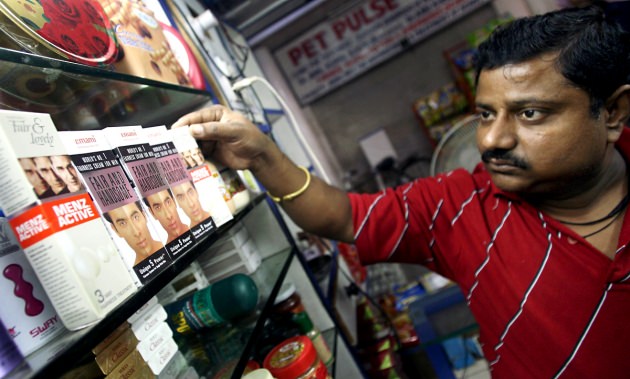
people in much of Southeast Asia, pale is considered the ideal and is
associated with wealth, beauty, and social class. Over the past decade
the white skin often seen in American beauty magazines has been
aggressively marketed across Asia, to the point that in Thailand, for
example, it’s hard to find skin cosmetics that don’t contain a
whitening agent. Despite horror stories of permanent skin damage–and
government attempts to control a growing black market–one market
research survey estimates that 4 in every 10 women in Hong Kong,
Malaysia, the Philippines, South Korea, and Taiwan use a whitening
cream.
it’s a combination of Botox, implants, diet and hair extensions–at
least if you look to Hollywood. Reared on reality TV and celebrity
makeovers, 43
percent of American 6- to 9-year-olds are already using lipstick or lip
gloss; 38 percent use hairstyling products; and 12 percent use other
cosmetics.
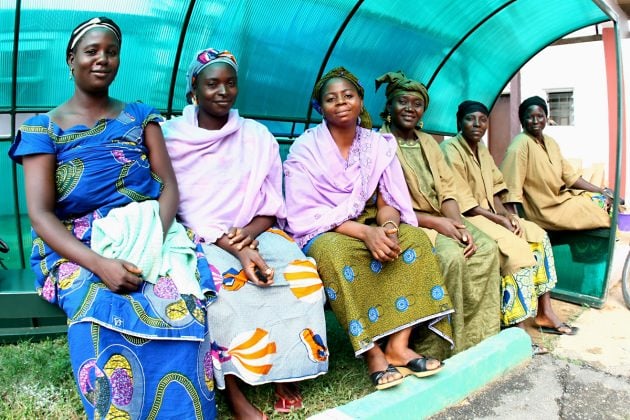
women are considered most attractive when they’re overweight and
sporting stretch marks. In Mauritania, many parents send their
daughters, who are often married at a young age, to camps where they are fed up to 16,000 calories a day.
to revere its women for their “guitar shape,” a sign of health and
wealth. But in the face of an influx of Western media, Brazilian women
have begun trying to reduce their hips and backsides to match the
svelte and often unhealthy Western ideal. Historian Mary del Priore told The New York Times, “By
‘upgrading’ to international standards of beauty,” Brazilians are
giving up on the belief that “plumpness is a sign of beauty.”
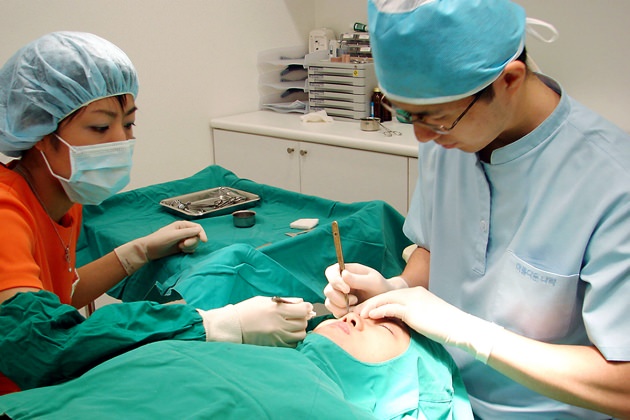
lot to many Korean women, who believe the surgery, which makes their
eyes wider and rounder, also makes them more beautiful. Plastic surgery in general has skyrocketed in Asia over the past few years,
but in Korea in particular, researchers estimate that 1 in 10 adults
has been nipped and tucked, and even children are getting their eyelids
done. The surgery, essentially an eye lift, creates a fold in the
eyelid and gives the look of bigger, more Western eyes.

In parts of Europe, including France, it’s the natural look that’s
considered most beautiful–even if it takes a bit of “natural”-looking
makeup to acheive it. “It really astonishes me the way American women
wear so much makeup,” Laura Mercier, the French creator of the
cosmetics line told The New York Times. By contrast, Mercier continued, “French women are not flashy.”
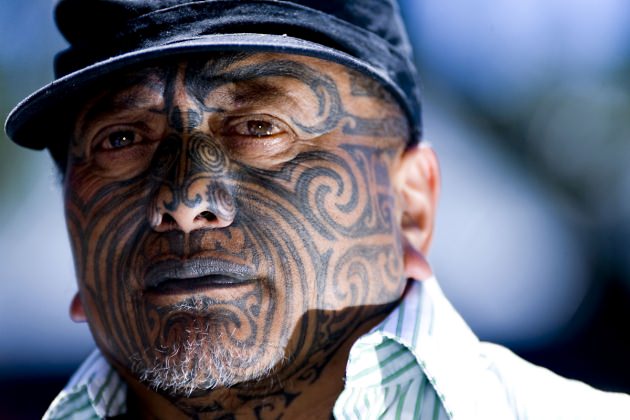
resurgence in the last 20 years, men and women adorn themselves with
swirling face tattoos called moko–a sacred beauty ritual
that spans centuries. Though originally worn by these Polynesian
descendents as a sign of status, Maori men and women now wear moko as
an honorary throwback to their cultural history. One of the more
distinctive forms of moko is the pattern women wear on their lips and
chins, shown here.

Heidi Montag may be among the more extreme Western victims of plastic
surgery, but in parts of China, men and women are turning to a painful
leg-lengthening procedure that stretches their bones to make them
taller. In this part of the world, height is a sign of status–and, say
many leg-lengthening patients, a prerequisite for success. So instead
of polishing their resumes, many Chinese, hoping to gain a few precious inches, are having surgeons insert metal bars into their legs that break their bones and stretch their legs apart.
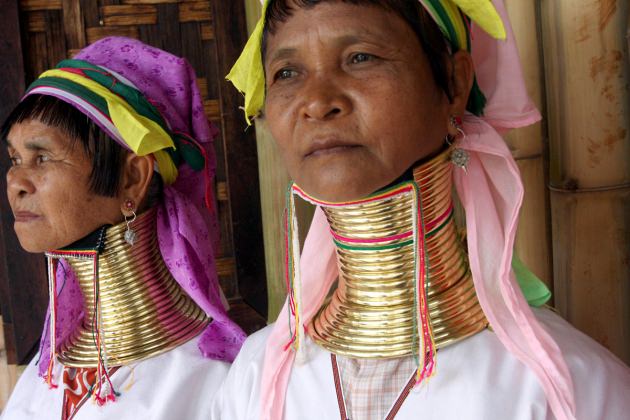
Known as “long necks” or, more crudely, “giraffe women,” the Kayan
women, a Tibeto-Burman ethnic minority of Burma, wrap brass coils
around their necks when young and add more as they age: the women’s
shoulders are weighed down by the weight of the rings giving the
illusion that their necks are growing–a centuries-old ritual that, in
the wake of conflict in Burma, which forced many Kayans to flee to
neighboring Thailand, has become one of Thailand’s biggest, and most controversial, tourist attractions.







