
“Heal the sick, raise the dead, cure those with leprosy, and cast out demons. Give as freely as you have received!”
Matthew 10:8
I read this one day before the race like I had a thousand times. But this particular day, something stood out while reading. Jesus said this to his disciples. He said to heal the sick, raise the dead, cure those with leprosy, and cast out demons. It’s all right there, but I’d never really noticed this distinction until that day.
Jesus made a distinction between healing the sick and curing those with leprosy. He intentionally listed it as 2 different things. I immediately began to wonder why He did this.
Isn’t leprosy a form of sickness?
Why list it separately when he could lump it in with healing those who are sick?
Why this distinction?
So I asked some questions but didn’t find out much initially. Combine that with my tendency to be analytical and highly curious, it meant that I seriously wanted some answers.
A friend gave me a book shortly after this about a missionary. Story after story filled the pages and one in particular caught my attention since it spoke to my questions directly. A woman had come upon a horrendous car accident and pulled a bloody victim into the bed of the truck to get her to the hospital quickly. This lady did not care that a woman with AIDS was bleeding all over her in this truck, taking the risk of exposure on herself. She took a disease that often comes with stigma and cared for the person.
Well… often leprosy carries this same stigma. In the Old Testament, people with leprosy were kicked out of the community together until they were well. And then a priest had to essentially approve that they were indeed well. After that, a whole cleansing ritual ensued.
The information was great; however, what actually hit hard was the why. Jesus made this distinction because Jewish tradition said that those with leprosy were outcasts. So it was not as simple as healing someone who is sick. He was not only looking to heal their bodies of leprosy.
He meant to heal their minds and hearts as well. He intended to wipe off the shame associated with a disease placed by laws and community. He wanted to include them in the community they’d been cut off from. He intended to give them restoration by allowing them to have jobs, family, friends, and a home when he healed and cleansed them.
I loved hearing the Lord’s heart, and it made me think about parts of the world with leprosy colonies. They are still cut off from community and are often considered “untouchables.” So when we found out upon arrival to Nepal that we’d be visiting one of these colonies, I was elated!
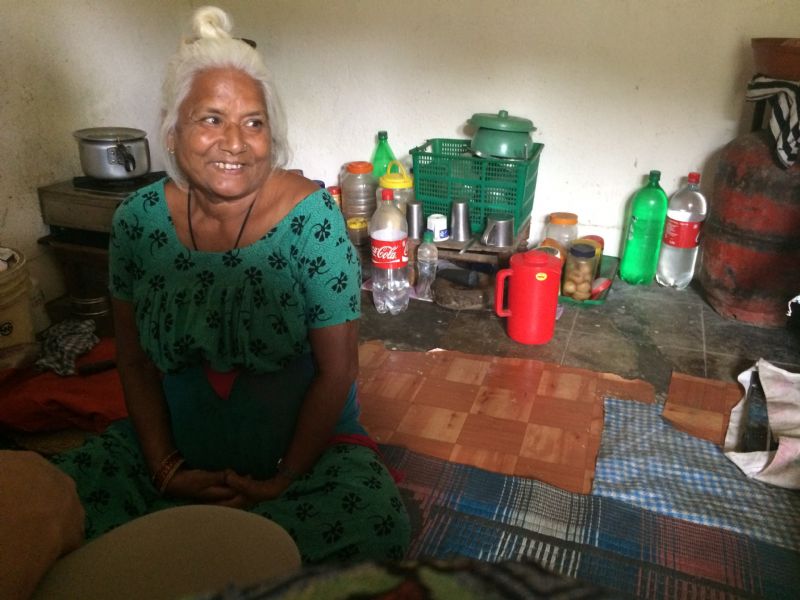
This beautiful lady had been separated from her family for over 40 years since she was a young child. She had been placed in a hospital and left. Then eventually she was put in a colony. She had cried while speaking with us about some of her experiences. Also as a believer who loves Jesus, we got to listen to her story and encourage her as a community. We got to have conversations about being sisters and a part of a larger family in Jesus. We sat in her home without fear of a stigma that had kept her apart from others for so long. She was happy to simply have visitors.

We had an ice cream man with his cart come to visit. We spent time buying and offering ice cream to residents in this colony. We sat down with them and enjoyed cones together, laughing and joking about it being all over one another’s faces without having to speak the same language.
This was our last day of assigned ministry in Nepal. It was a beautiful ending to a very full month that gave me more perspective on how the Lord sees and pursues us. He is interested in both our bodies and our hearts but even more so interested in our hearts, in our wholeness, in us as people. He then tells us to do the same thing to other people – to see them and love them.
From my heart to yours,
Kim







