
Mwaikaleni. (Good morning in Bemba. See below).
All right, you guys! As promised, and a little bit behind schedule (probably because I’m doing it) – here is ZAMBIA
“Zambia” comes from the Zambezi River, previously known as Northern Rhodesia it found its independence, like Malawi, in 1964 and is now a democratic republic.
In the flag, green represents agriculture and natural wealth, orange represents copper and mineral wealth, black represents the people, red symbolizes the struggle for independence, and the eagle stands for freedom.
Zambezi River
The country is considered tropical, and has two main seasons: a rainy season (November-April) and a dry season (May-October). We will be there as the dry season turns into the rainy season, I believe.
The population is heavily placed around cities (such as the capital, Lusaka, which is the largest city) and the Copperbelt province. Those who live in rural areas are primarily subsistence farmers.
The Copperbelt province used to be the home of Zambia’s major export and basis for their economy – copper. However, their weakening copper industry has led the economy to branch out to other things, such as agriculture. In fact, although a poor country, Zambia is going through major economic growth.
Nshima
Zambian food is based heavily on maize. A staple is the dish Nshima, which is made from cornmeal. The link below explains how it is made.
http://www.congocookbook.com/staple_dish_recipes/nshima.html
English if the official language, but two other prominent languages are Bemba (spoken by about 50% of the population) and Chichewa (also known as Chewa or Nyanja).
Here are some phrases in Bemba.
Hello = Ulishani / Mulishani
The food is delicious = Ifyakulya nafiwama
Thank you very much = Natolela sana / tatotela sana
Goodbye = Shalenipo
Some prominent issues facing Zambia is a large refugee population, with about 25,653 refugees (http://data.worldbank.org/indicator/SM.POP.REFG/countries).
Also, despite economic growth, 68% of Zambians live below the nationally recognized poverty level, and life expectancy is 40.9. Like Malawi, this may be due to a huge prevalence of HIV/AIDS, affecting about 12.7% of the population. In fact, Zambia is recognized as one of the top 10 zones for AIDS deaths.
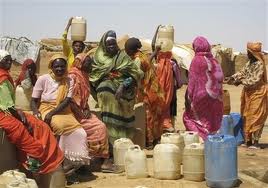 Congolese refugees from 2010
The official religion is Christian. About 83% are Christian, while Christian practices blend with tradition. The Joshua Project estimates 51,000 unreached out of a population of 14.08 million.
Please continue praying for us as we are involved in preparation, and that while we are in Zambia (doing whatever it is God will have us doing) we work to forward the Gospel effectively, and help those in need.







