
For one month we’ve been immersed in the
life of this little corner of Nicaragua, Candelaria. We’ve eaten meals
alongside our Nica friends, frequented a local panaderia for our favorite
treats, visited people in their homes, and hung out at the church at whatever
hours of the day. We’ve had our things stolen and been apologized to by one of
the thieves, then began to love on him as friends. We’ve sung, danced, prayed,
worshipped, laughed and cried alongside our Nica friends. We’ve seen seven of
our youth friends exhibit their commitments to Christ by getting baptized.
We’ve sweated buckets, slapped dozens of mosquitoes, swatted just as many ants
and washed off loads of dirt.
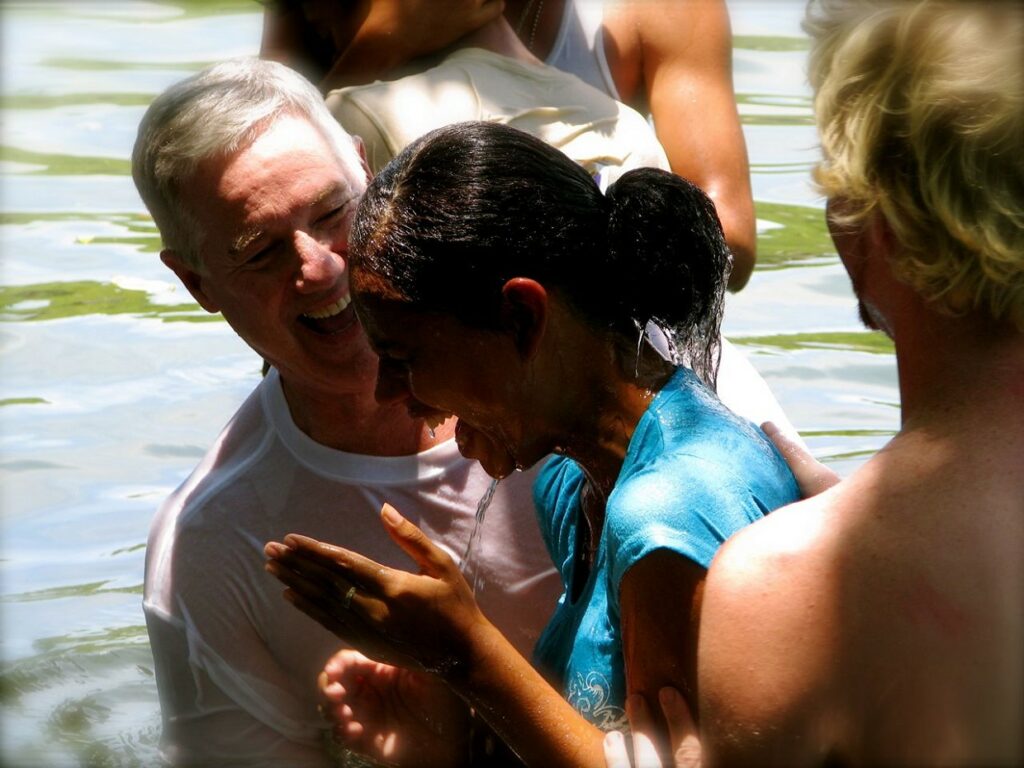
At first, Candelaria seemed to be a
simpler way of life. It’s a stress-free way of living where punctuality doesn’t
matter and nothing is ever pressing. This is a place where teenage boys play
leap frog, where teenage girls play kickball in cute skirts and flats and
little girls sit patiently on laps for the entirety of two-hour church
services. This is a place where the electricity goes out frequently, but if it
doing so interrupts a church service, attendees simply pick up their plastic
lawn chairs and relocate to the basketball court, where the light of the
half-moon illuminates the preacher as he teaches on.
All these things are true about
Candelaria, but I quickly began to realize that they are surface truths. I
could see the beauty in the simplicity of life here, but that beauty was just
glimpses, shimmers on the surface of waters. I needed to put on some polarized
sunglasses to see beneath the glare–to see beneath the surface.
The polarization came with time. We began
to learn about the duality of life here: the pure simplicity counteracted by a
twisted darkness. We began to see into the depths of people’s lives and see
their brokenness beneath the surface.
What did we see? Too many broken families
to count. (It’s a lot easier to count the healthy families that actually have a
mother and father in one household–on one hand). We saw teenage girls broken
by their fathers leaving, and broken by their mothers comparing them to other
siblings. We saw teenage boys who act out and look for love literally in all
the wrong places because their fathers abused them (physically and sexually).
We saw fear, a powerful net that keeps so many in bondage to the gang violence
of the streets. We saw teenagers who have no dreams for a future and have no
answer to the question “What do you want to do when you grow up?”.
The more we looked deep into people’s eyes and hearts, the more they trusted us
and opened up to us, the more we could see this stain of brokenness, dark and
ugly beneath the surface, but so vast, touching so many in this community.
But even as we began to see Candelaria
through polarized lenses, I began to let those lenses be tinted rose. In the
midst of all the brokenness there are stories of redemption, stories of grace
and love. There’s Itzel, our beautiful 15-year-old friend whose heart was
broken when her father left a few months ago. But since then her life has been
transformed by the love of Jesus Christ. She is crazy for him and she is
learning how to let him be her new and perfect Father.
There have been other moments, too, when
I saw that rose tint. I see it in the hearts of the faithful few who’ve come to
our twice-weekly Bible study. I see it in the hearts of several elderly ladies
within the church, whose prayers are filled with power. I see it in Pastor Jose
as he allows Marlon, the boy who stole from us, to work around the church
grounds in exchange for food. I see the rose tint in the hilarious fun we have
with our youth friends who love to hang out at church, dancing and playing
soccer, instead of other more harmful pursuits.
So, as we leave Candelaria, I know I will
always look back on it (and pray for it) with my polarized rose-colored glasses
on. I want to never forget the spiritual battle going on here, because that’s
what causes the duality of life. The simple beauties and joys are nice, but
they’re on the surface; below is a twisted, dark brokenness that comes from the
devil. But the rose tint is the hope that we see God working in the hearts of
people in Candelaria.







