

Below are the 11 best practices of Storytelling according to the Adventures Storytellers!
1. Live Well:
Say ‘yes’ to adventure. Say ‘yes’ to saying the hard thing. Say ‘yes’ to getting out of bed; even when it’s raining, or you’re tired, or you’re not excited about where you’re going. Saying ‘yes’ and taking the path less chosen will bring you to the stories worth telling. Sometimes, saying ‘yes’ just means opening your eyes to the opportunity you’re already standing in the middle of.
2. Process Well:
Take the time to process through the things you are seeing, feeling, learning, and imparting. The time that you allow yourself to take your experiences to the Lord and to look for His fingerprints in and around them will leave you with well-rounded thoughts that enable you to:
3. Write What You'd Want to Read:
Consider the purpose of your blog: what do you want your readers to walk away with? Your blog has so much potential. You can fill it with story, or you can fill it with diary entries containing epic laments.
I don’t mean to tell you that you can’t blog when you’re in a hard season. I simply want to challenge you to blog well, and to live well, regardless of your circumstances. Look for Jesus, ask for a heart of thanksgiving, wait on the Lord, choose to believe in His goodness, and then write from that place.
4. Edit Out What You Don’t Need:
You want to write with your readers in mind: keep what’s pertinent to the story; edit out the things that aren’t. (A good blog length goal is 500ish words)
5. Edit again:
Walk away, do something else. When you’ve allowed your mind some time recharge, go back to what you’ve written and read it with a fresh perspective. You want your blogs to read in your voice, but you also want to strive for clarity. Losing the excess noise makes your story more readable and more relatable. Leaving out the extra personal allegory or witty remark gives your readers space to fill in with their own stories!
6. Publish Legible Pieces:
Grammar matters. It’s not cute to write in all caps. No one reads straight blocks of text. Keep paragraphs to 2-4 sentences, use punctuation, correct your spelling.
7. Publish Vulnerable Pieces (but don’t forget the hope):
Writing with vulnerability takes a lot of courage, but sometimes we have to bear our wounds or struggles in order to share the reality of the hope that the Lord is awakening in us. Write the hard thing, share the hard story – but don’t forget the Good News!
8. Use Creative (good) Titles:
Title the blog what it actually is. As appealing as it is to write sparkly blog titles, you want your readers to know what to expect when they click on your blog. Ex: If you’re writing about healing, use “healing” in the title. If you have a video or photo blog, you might want or [photos] in the title.
9. Illustrate:
A good, easily legible blog is 500ish words, but a picture’s worth 1000, right? Let your readers see where you’re going – illustrate your blog. Images help to break up text and give your readers a moment’s respite that actually draws them further into your story, so use photos!
10. Highlight a Call to Action (where possible):
You do want to relate to your readers – you want to invite them into the story, or invite them to begin realizing their own stories. Ways to do that are to provide opportunities to get involved through prayer or support, or just encourage readers to seek out similar opportunities where they are!
11. Network & Share what you publish:
You want to get the word out that you’ve got something new on the blog! DO: tweet, post facebook statuses, throw it on your tumblr, use instagram, etc. etc. etc. …
Also, pro-tip: that little box on your blog editor that says “Use HTML Format for Alerts” will copy the body of your blog into the body of the email alerts that it sends out – it’s up to you if you want your blog to be in those emails, or if you want them to have to click on your blog from the email to read it, but it makes blog-reading super convenient for people who may not otherwise “find” time to read it!
If you have questions about any of this, hold onto them until Camp! Our Storytellers are so excited to share their experience with you and teach you the ropes of storytelling on the field!!
For Training Camp: please DO bring your laptops and cameras, some of our lovely Adventures Storytellers will be taking some time to teach you guys some times for blogging, photography, and video on the field!
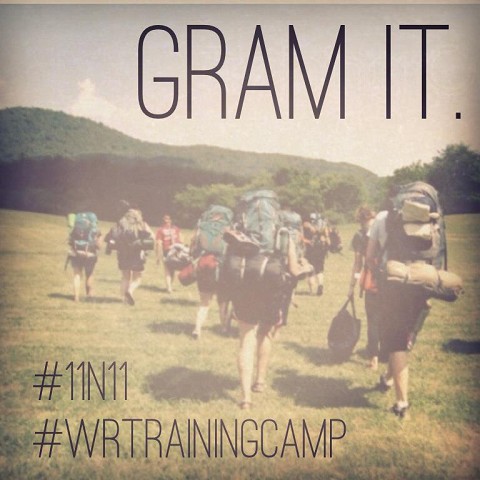
Also, we want to see how YOU see Training Camp! As the saying goes, 'gram it and use the following hashtags: #11n11 #WRtrainingcamp







