
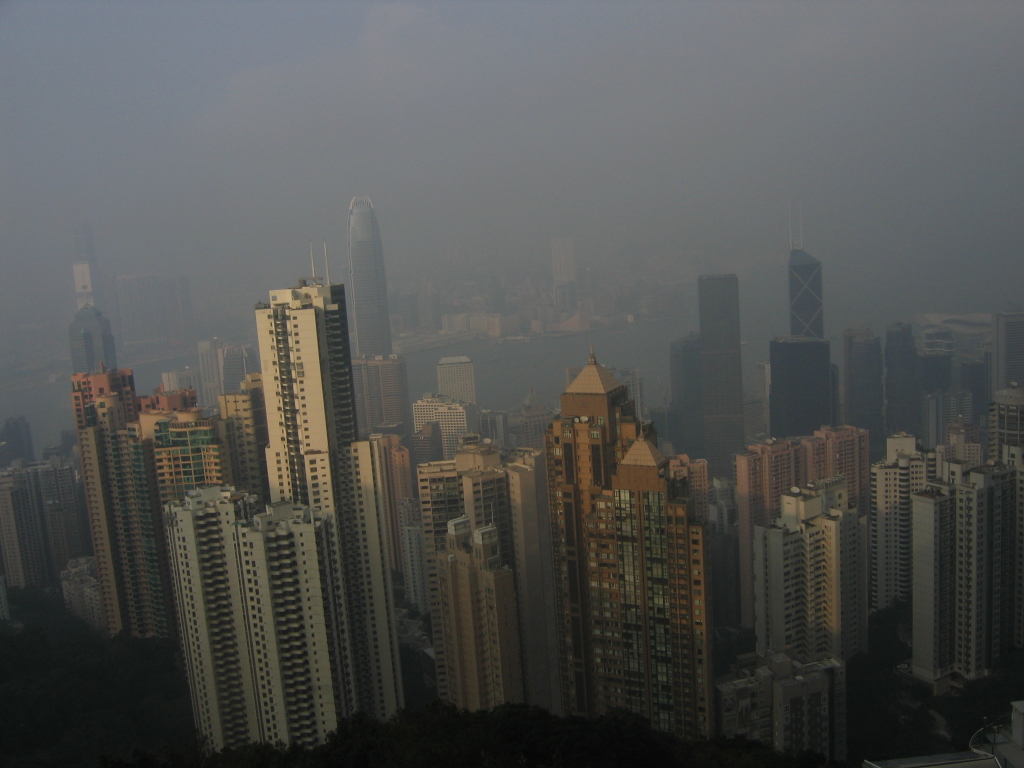
 Tonight I had the opportunity to read a little more about the amazing history of Hong Kong. And my heart beats with fascination, excitement, and hope. Britain gave Hong Kong back to China in 1997 with the condition that it be allowed to self-govern for fifty years in all matters except foreign affairs and defense. And yet many throughout the world wonder whether China will, in reality, keep its promise. Its future is still seemingly undetermined, and yet this city seems to flourish economically with hope. Although mainland China and Hong Kong are so economically interdependent, Hong Kong has in recent years become even more interested in its political independence from China and its communism. With China’s interdependence on Hong Kong for its prosperity, could Hong Kong actually be changing the rest of China?
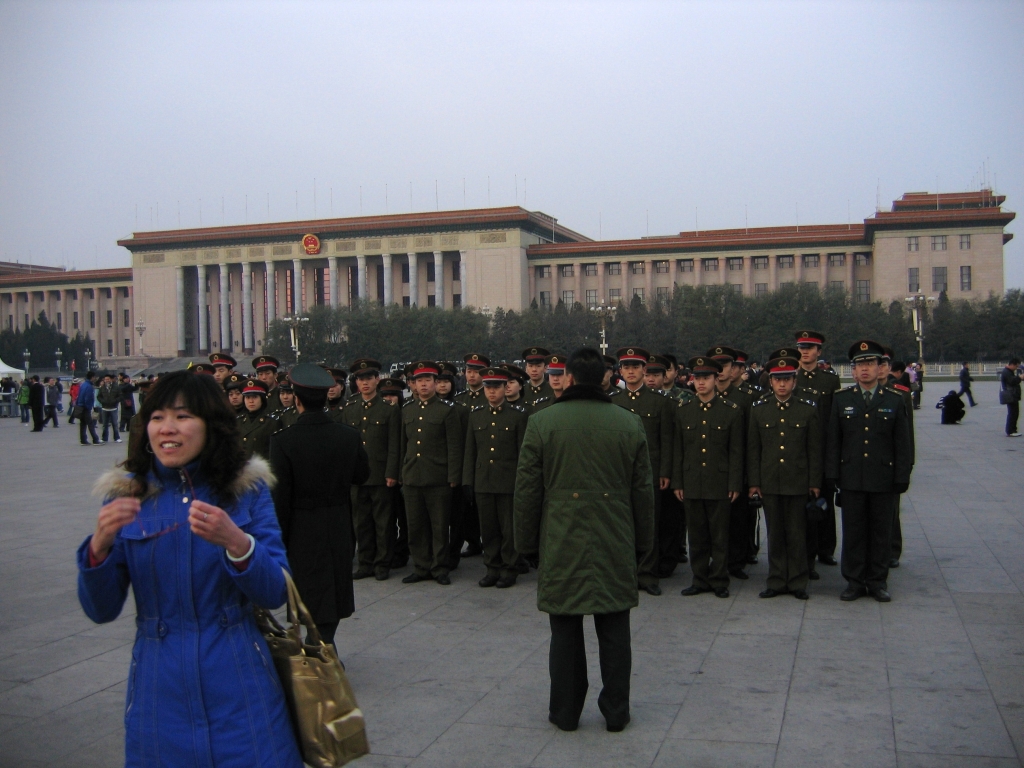
 Yet I wonder – what is freedom? Many parts of Beijing, the country’s communist political headquarters, look to me like any modern city, and much of China is being developed rapidly in a similar way. From the train, much of China appears to be in a massive transition from the dull gray decay of a communist era to the bustling life of freedom. China appears to be relaxing its communist policies economically within the country, spurring economic growth. The university students our team spent developing relationships with seemed to be hopeful of prosperity, many wanting to travel around the world, and many wanting nothing to do with the communist party in China. They idolize the United States, believing we have something they really want. It seems as if the youth have a desire for Western prosperity at all costs – could freedom come with that?
And yet I wonder…what is true freedom? The drive behind Western freedom often seems to draw us into a different kind of slavery. We become slaves to that which we desire to be free to do. We want to be free to be happy, free to be independent, free to make money. It feels like China is trying to copy the West – and unfortunately like us, they may simply be trading one slavery for another. The burden of success is being placed on the shoulders of many children in China, and I think they are learning early on that competition and economic success is what life is worth living for. One manager I talked to in China lives with his wife and child one day per week; he works and lives away from them the other six. Many people in Hong Kong spend over 70 hours away from their families at work.
We may have clean toilets in the modern world, and yet so often our lives are just as dead as we believe economic success, drugs, sex, alcohol, or food will bring us true life. Is it not possible that even in a world where we have freedom of press, that we too have been ingrained with lies about what really matters?







