
During our second week, my team worked at a nursing home called Años Dorados (Golden Years). I was definitely nervous about this week because I’m neither experienced nor comfortable with elderly people. I’ve never been one of those girls who’s like, “Aww! Cauuute! Look at that adorable old man!” I’m more like, “Ohh! Yiiikes! Look at that crinkly old man!” Within ten minutes of being at the nursing home, I felt like my fears were confirmed as I accidentally saw a woman completely naked and heard another one screaming.
However, (there always has to be a However, right?), throughout the week my heart was softened as I was able to get to know them as strong, hilarious, vulnerable characters crafted by God, just like me and my team. It was still very challenging work for me, but it was so fun to become familiar with each of their quirks and personalities. One woman, Corina, was 104 years old and the nurse described her as “flirty”. She had turquoise-painted nails, pink fluffy socks, Crocs with flowers on them, and a purple, beaded hat. Sebastian only spoke Italian, but you could tell he had been a ladies’ man in the past. Doña María always called me “muñeca” (doll) or “gato” (cat) because of the color of my skin and eyes. Moisés only spoke a few phrases like, “Tenemos que hablar” (We have to talk) and “¿Tiene hermanas?” (Do you have sisters?). Chico insisted on being called Boy, even though that wasn’t his name and he was much larger than most of the other patients.
We led group therapy every day which included stretching, exercising, and dancing. We sang, played cards, drew, and talked with them. We helped them to walk, change, and eat. One nurse always told me to take care of them “sin miedo” (without fear) because I was too timid. Little did she know that one of the words I had from the Lord in going on this trip was from Isaiah 41:10, “Don’t be afraid, for I am with you. Don’t be discouraged, for I am your God. I will strengthen you and help you. I will hold you up with my victorious right hand.”
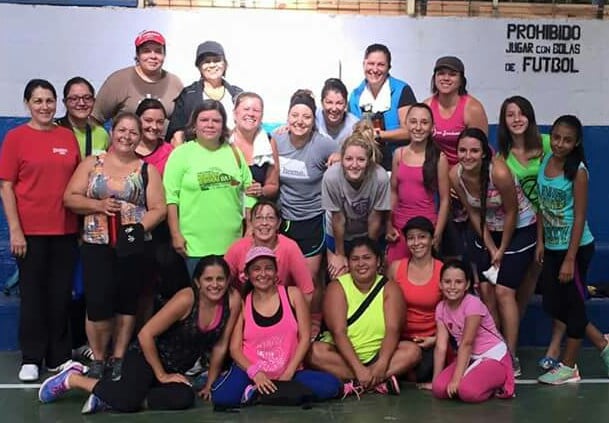
This week, we were also able to experience the hospitality of the Costa Ricans. We grew close to the neighborhood kids by playing games, painting nails, and just hanging out. One of the moms of the kids baked us delicious bread rolls and invited us to go to her exercise classes. I went a salsa class and a hip hop class, which were both super fun.
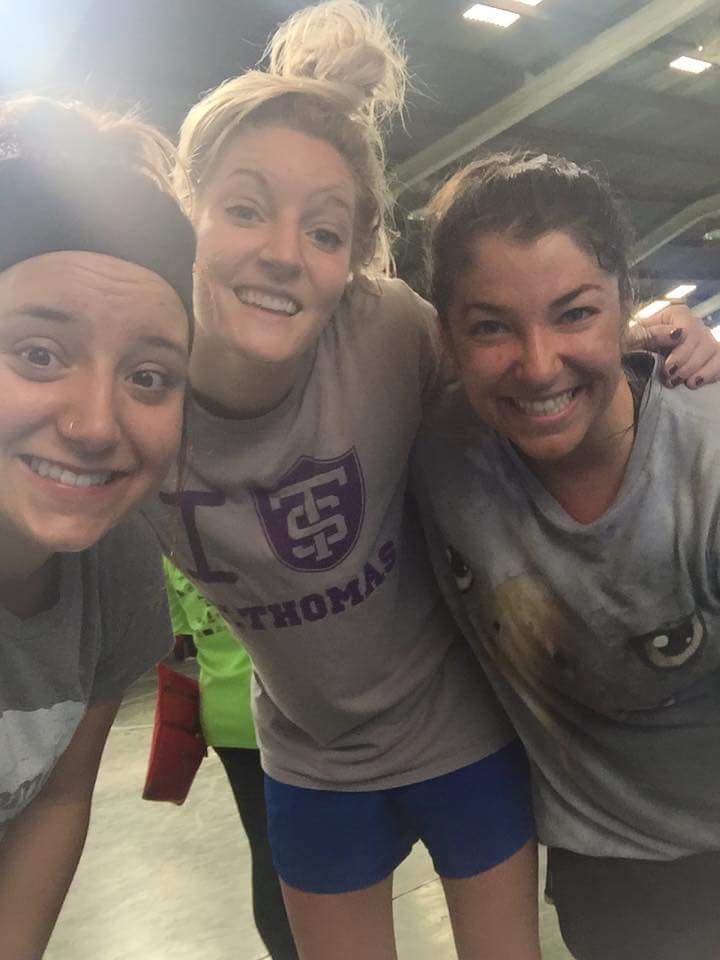 In addition, one of the women who attends the church took our team out to dinner at a Chinese restaurant. She brought her husband and daughter and gave us a book about the history of Solomon’s temple. A few of us went to a coffee shop on our free day, and the barista gave us a ton of coffee to sample. Each of them tasted like soil-covered orange peels to me, but according to the other girls, they were really good.
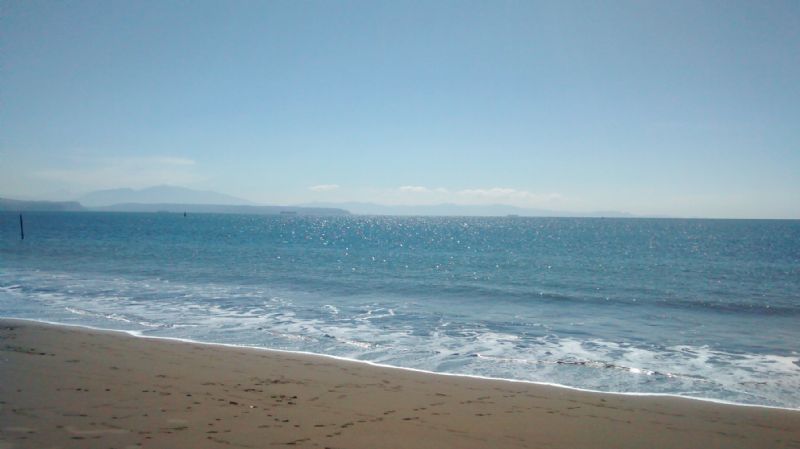
One of the nurses at the elderly home gave Jenna and I directions to an area called Puntarenas, and we enjoyed the beach there. We left with ridiculous burn lines and bodies that felt like they were cooked in an oven, but it was still super relaxing somehow. We have been very blessed by the people we’ve met. They’re super caring, and I’m going to miss them a lot.
There are a few things that I can’t fit into nice topics or paragraphs, so I decided to just include some bullet points of miscellaneous experiences:
- A woman who works at the school we were painting made us sandwiches for lunch. Each one of us got two sandwiches, and from the outside, one looked like a chocolate spread and one looked like peanut butter and jelly. Nope. One was mushed black beans and the other was cheese and jelly. Oh dear.
- We met a man from Syria at the market close to our house, and he told me that there are three types of bad people in the world: Russians, Iranians, and Americans. He said that thousands of Syrians are dying at the fault of Americans. It was quite an uncomfortable conversation, but he apologized a few days later when we returned. He was still angry, but he said that he thought about it and that perhaps just the presidents of those countries are bad. Either way, it was difficult but interesting to hear another perspective.
- People here are definitely concerned about women knowing how to cook and getting married. Currently, according to Pastor Marcos, Carolyn is the only one who is fit to marry since she can cook beans and tortillas.
- Some common phrases that I’ve learned are: ¡Que dicha! (How nice!), chiva (cool, people say this about me all the time), tico/tica (Costa Rican person), pura vida (great, literally “pure life”), and ocupar (to need, to take up). One conversation was difficult because I found out that they use “ahora” to mean later, and it usually means “now”. They use “ya” for “now” instead. One common saying is, “Panza llena, corazón contento,” which means “Full belly, happy heart.” They use the formal term “usted” for “you” a lot here, even between friends and kids. I was corrected by an evangelical when I used the word “rezar” for “to pray” because she said that it is used only for memorized prayer, like the ones Catholics sometimes recite. She told me to use “orar” instead.
During our last week, we are going to a rural village to work with a sister church of the one that we have been staying at. I’ll update when I can! <3







