
I remember, at fourteen, wandering from the young adults’ book section in the downtown Aurora Public Library to the history and philosophy area. History has always fascinated me, but philosophy-I was in for a new surprise. I was intrigued by the names-what type of person was named “Plato” or “Aristotle”? My attention was caught like a fly in a spider web. There was no way out, but unlike the fly, I was excited. Excited to learn, debate, discuss, understand, and explore thoughts that were beyond my young mind’s comprehension.
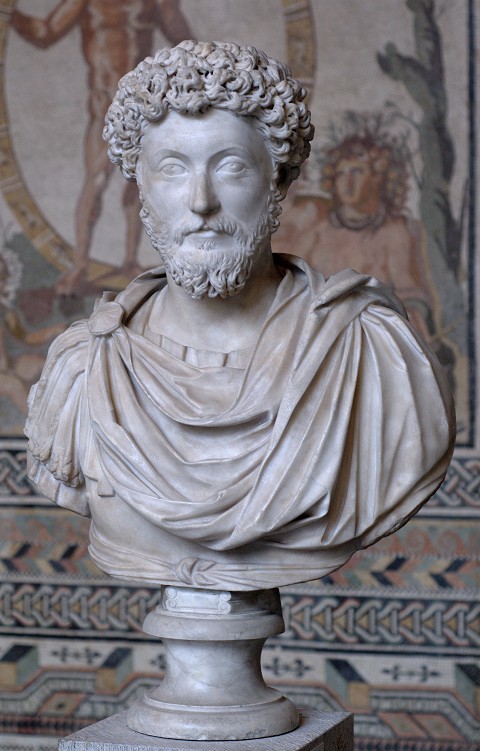
Now, nearly a decade later, I am still fascinated with “The Republic” and “Politics,” not to mention Marcus Aurelius’ “Meditations.” This small book (less than 200 pages) is right up there with Nouwen’s “The Inner Voice of Love,” Yancy’s “What’s So Amazing About Grace?,” and Piper’s “Don’t Waste Your Life” for me. Aurelius was both ahead of his time and still relevant today, with 2010 soon approaching. This fact simply astonishes me. It did at fourteen and it still does today.
My favorites of Aurelius’ passages are diverse and range from imperatives to quit being lazy (“At dawn, when you have trouble getting out of bed, tell yourself, ‘I have to go to work-as a human being. What do I have to complain of, if I’m going to do what I was born for-the things I was brought into the world to do? Or is this what I was created for? To huddle under the blankets and stay warm? But it’s nicer here… So you were born to feel “nice”? Instead of doing things and experiencing them? Don’t you see the plants, the birds, the ants and spiders and bees going about their individual tasks, putting the world in order, as best they can? And you’re not willing to do your job as a human being? Why aren’t you running to do what your nature demands?’ “), unavoidable change (“Frightened of change? But what can exist without it? What’s closer to nature’s heart? Can you take a hot bath and leave the firewood as it was? Eat food without transforming it? Can any vital process take place without something being changed? Can’t you see? It’s just the same with you…”), and acceptance (“Pointless bustling of processions, opera arias, herds of sheep and cattle, military exercises. A bone flung to pet poodles, a little food in the fish tank. The miserable servitude of ants, scampering of frightened mice, puppets jerked on strings. Surrounded as we are by all of this, we need to practice acceptance. Without disdain. But remembering that our own worth is measured by what we devote our energy to.”)
These words speak to me and even though they are not Christ-focused, they are still helpful in my daily life to be more like Jesus.







