There are only 14 days left on the race and this last month has been amazing so far. Indonesia’s nature is gorgeous, the people’s hospitality and kindness is matchless and to have Wycliffe as a host is a huge blessing. Not only Indonesia’s beauty captured my attention but also it’s surprising facts I haven’t known before:
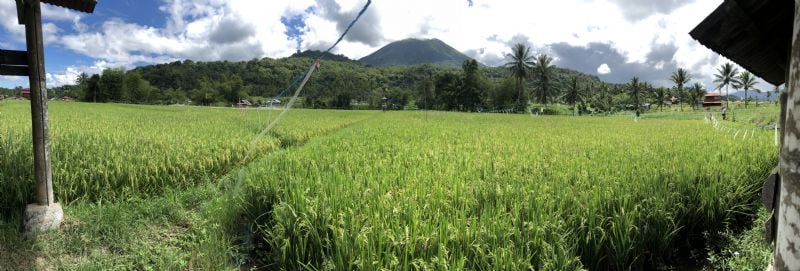
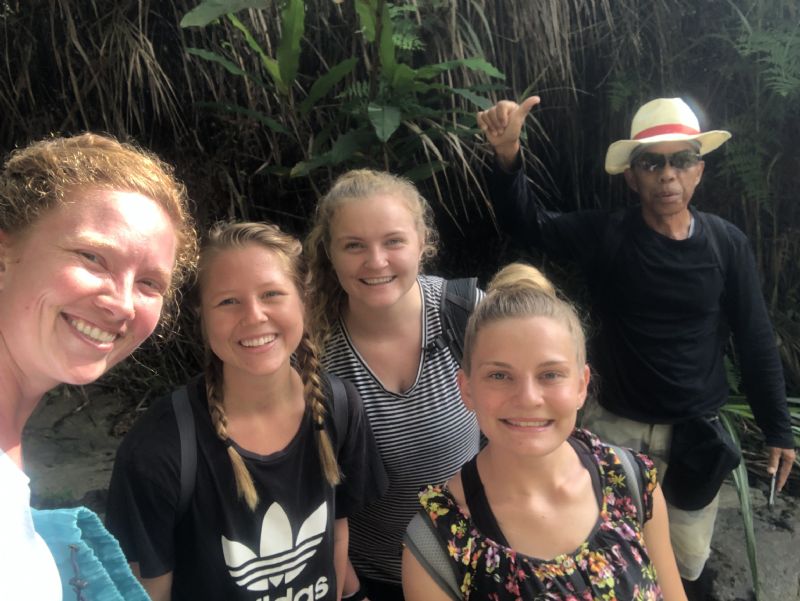
– Indonesia has 17’000 islands. We’re staying on the northern part of the island called Sulawesi. Manado is the capital of the province North Sulawesi. We drove for one hour on a windy curvy road from Manado to Tomohon, the village we’re living this month. It is surrounded by beautiful nature – mountains, volcanoes and ricefields.
– Indonesia is with 265 million people the 4thlargest country in the world by population. (4thIndonesia, 3rdUnited States, 2ndIndia, 1stChina).
– There are more than 700 languages spoken in Indonesia. This makes it the country with the second most languages worldwide.
– Indonesia is the largest muslim country in the world. 82,2% of the population are muslim, which makes Islam the primary religion. (Christianity: 12,2% – Others: 5,6%)
Tomohon countryside:
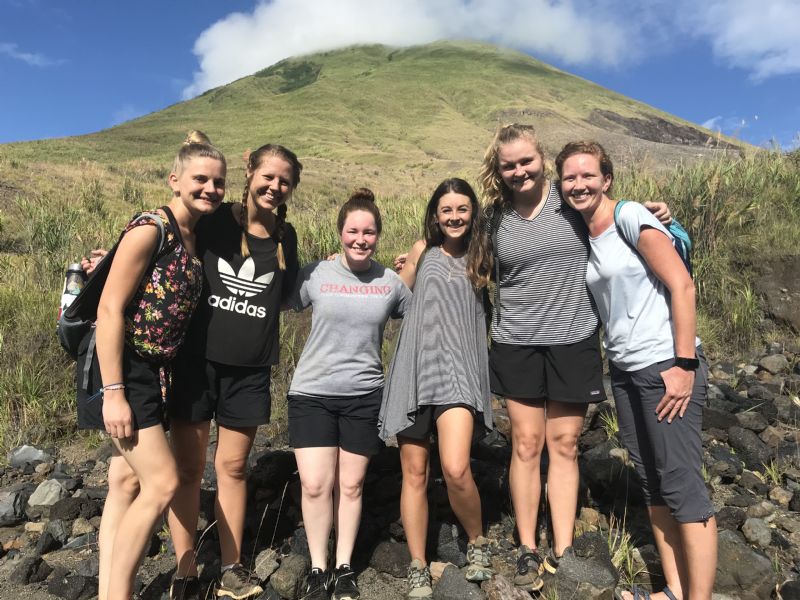
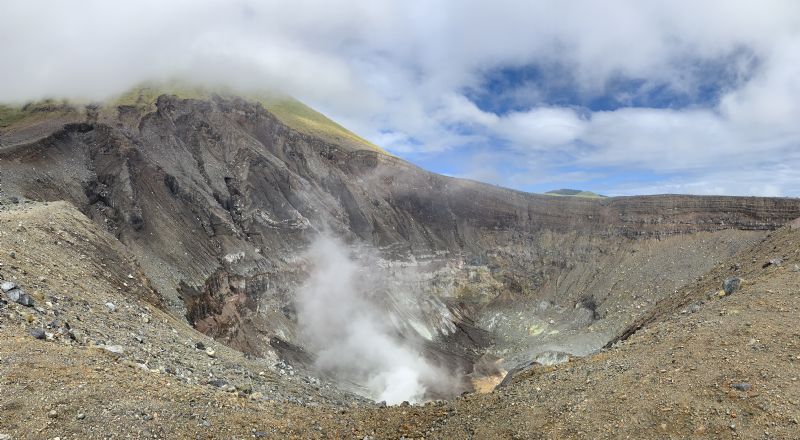
Hiking Mount Lokon, an active volcano:
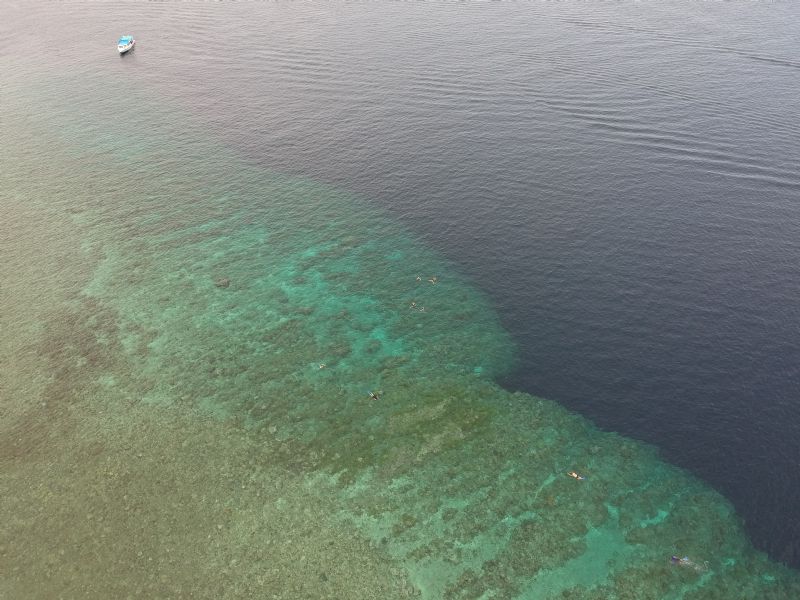
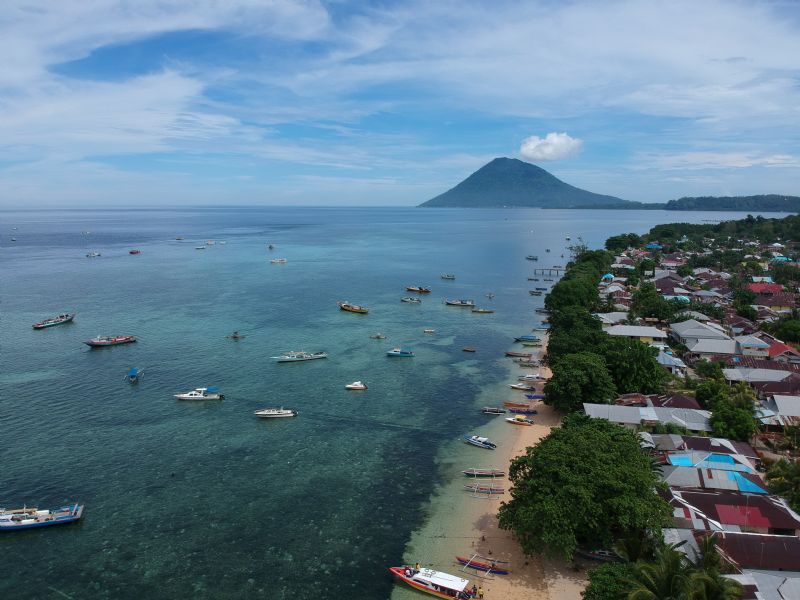
Bunaken, snorkeling at one of the world’s best spots:

As I mentioned, our host this month is Wycliffe. This is an international Bible Translation Organization, founded in 1942. The founder, William Cameron, went to Guatemala to sell Spanish Bibles. To his surprise, he discovered that the people didn’t understand what was written in the Bible because they spoke Cakchiquel, an indigenous language. Cameron founded Wycliffe Bible Translators because he believed that everyone should be able to understand the Bible. The first translation was completed in 1951. These numbers illustrate how much time it needs to finish a translation well.
The goal is to have a proper translation
– regarding language: A lot of indigenous languages are oral and not written. In that case the translators need to figure out the alphabet. The people have the skills to read and write, they just haven’t seen it in their own language before. Also, there are different key terms, phrases and idioms that are challenging to translate. It’s important that the language make sense to the people’s background.
– regarding culture: A good example for that is that some cultures don’t use money. For instance the Bible tells about the worth of something based on money or earthly riches, the translators need to come up with something else to represent the worth of it to the readers.
– regarding interpretation: The translators work with different computer programs and lexicons to know for example the original Hebrew or Greek meaning of words or to understand the background of that time the passage was written. They spend years in preparation to have a proper exegesis (understand the passage/the book of the Bible as it’s meant by themselves) before they start translating it into the local language.
Wycliffe’s concept is to come alongside a church and try to see their needs in Scripture. Wycliffe builds relationships with the local people and help them success in what they already do at their church. The churches they’re going to have most of the time a foreign language to translate. So then, they start to mobilize translators and teach them how to translate the Bible in their local or tribal language. One afternoon, we listened to a presentation about the procedure of Bible Translation. Because it was so interesting to get to know these things, I’m going to share with you the different steps the translators work on.
First step: The translators go into commentaries and getting knowledgeable about the book they’re going to translate. The common model is to do the exegesis of a book together as a workgroup. For working on that, they use different helpful computer programs. In this phase, the translators also need to understand deeply their own language. Often times, they need to figure out the alphabet. The end of this step is to have a first draft on hand.
Second step: The first draft is tested on the field. It is given to the people for reading it. After that, they have to answer questions. The reason behind asking people what they’ve read is to figure out if people get the right understanding from it. After collecting the data from the first field testing, the translators come up with a second draft and field test it again.
Third step: When the translators think the second draft is really good, the so called Translation Consultant checks it. This checking is done with the back-translation-method. This can be either in English or in the local language (i.e. Indonesian for the tribal language Tombulu), second is the case if the translator is fluent in the local language. The consultant has to do the own exegesis before reading the draft. After that, they do a checking with people who represent the target audience. These people have to read a portion, retell it and answer different questions. Even when the back-translation may look accurate, the consultant can identify what’s actually not accurate with letting people retell it.
Forth step: Based on the notes from the consultant check the translators do a final clean-up and a final read through.
Fifth step: The finished translation is send to the print.
These steps are done for each book of the Bible. They start translating the easiest material (i.e. narrative stories as Jonah or the Gospel of Mark) and progress to the hardest (i.e. Hebrews, Romans, Corinthians). As soon as a book is done, they distribute it after the print. The Scripture is also available on the Bible app, to read or as an audio. The translation of the whole Bible takes on average 15 years.
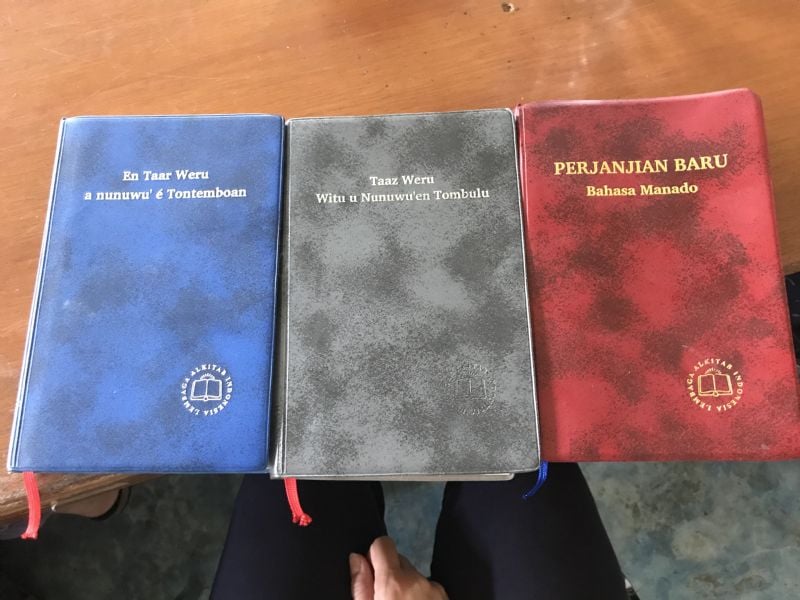
Translated Books of the Bible at PPA (Bible Translation Center):
Wycliffe has set up different strategies to bring the word to the community. The so called Scripture Coordinator advertises the book in churches and goes around to local places to start reading groups. The Scripture Engagement exists to find ways to get the Scripture into the community. Besides that, Wycliffe has people who work with the local people to create their own worship music or dances, for example with using the local language and local instruments. Indigenous arts has the goal to foster indigenous ways of praising God.
When you made your way reading till here, congratulations – this has been a lot of information!
You might think why I’m sharing all of this with you? The answer is simple: I’ve seen people here telling me their testimony of how reading the Bible in their own language changed their life. People who read the Bible the first time in their own language get emotional because God is speaking to them directly. There has been a broken marriage restored because a couple read the passage of Paul talking about marriage, there has been self-image renewed with realizing that worth is given through God and not through family history, there have been….a lot of stories how lives got changed thanks to the yearlong work of translating the Bible!
I myself realized for how granted I took it to have not only one but three Bibles, even in different German translations. But it’s not! For a lot of people it’s not for granted to have the Bible in their native language.
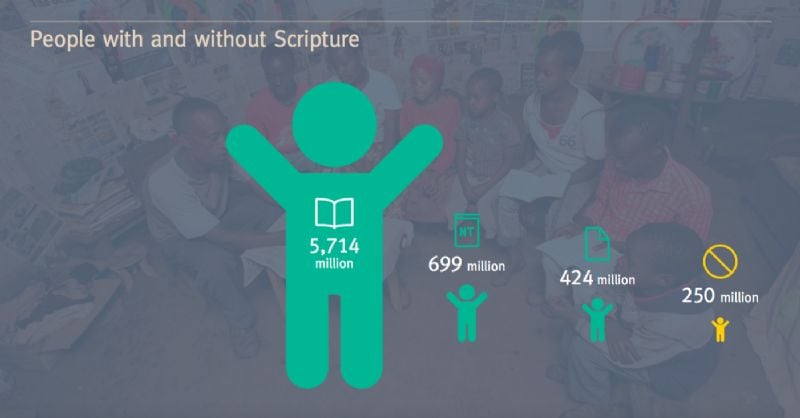
In fact, there are 250 million people without Scripture!
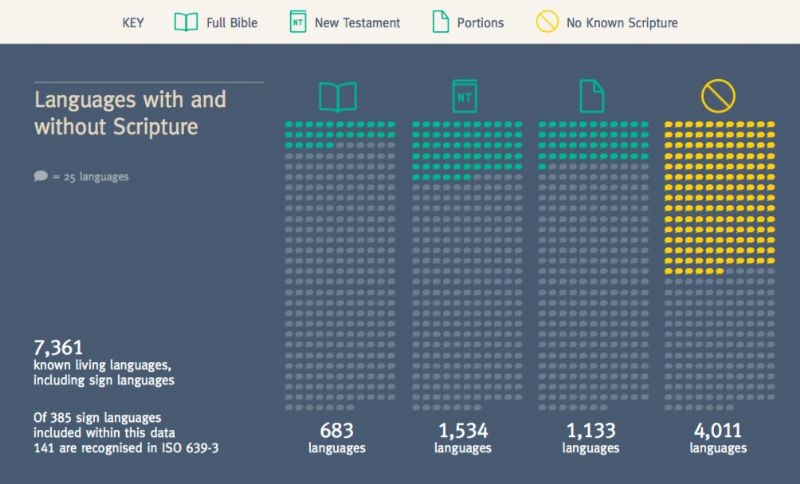
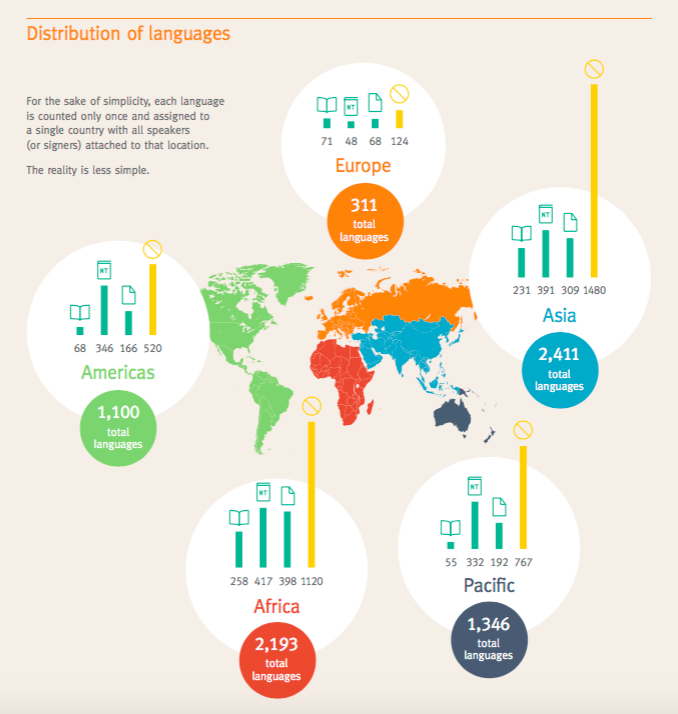
This is a total of 4’011 languages that haven’t been translated so far.
1’123 million people have only the New Testament or parts of the Bible translated.
Out of 7’361 known languages, only 683 have the whole Bible translated.
250 million people. This number got stuck in my head. And my hope is that this humbles yourself as well to thankfulness. Thankfulness to be part of the fewer who have the privilege to open the Bible and let God speak to them in their own language.
Wycliffe Statistics 2018: