One of the things I was most excited about when I saw the route for the World Race was that I was going to be able to go to countries where some of the most infamous genocides of the 21st century took place. It began in Serbia where we were able to learn and experience some of the results of the Balkan conflict that took place in the early 90’s.
We had a few months break before we hit Kenya where a genocide did not occur, but political conflict during the last election led to widespread violence along ethnic grounds. Many of the people in the area outside Nakuru where we worked were internally displaced people. These are people who were forced to leave their homes in other parts of Kenya in order to ensure their safety or ability to make a living.
We then hit Rwanda. The genocide there in the 90’s was atrocious. The genocide museum we visited brought to life the horror of neighbor turning on neighbor over ethnic differences. People who had been friends or even family one day resorted to using axes and machetes the next. Over a million people were killed in under 90 days.
We then visited Uganda. I posted about Joseph Kony while I was in Thailand. The violence of the Lord's Resistance Army, in many cases targeting specific ethnic groups in the past 20 years is mind-boggling.
Now I am in Cambodia. From 1975 – 1979, Pol Pot and the Khmer Rouge took control of the country. They drove the people from the cities at gunpoint wanting to create a radical form of communism that was based in peasant agriculture. The educated, former government officials and perceived threats were executed in mass. In total, over 2,000,000 people starved or were executed. That was over 25% of the population of the entire country. Today we had the opportunity to visit the genocide museum and see first-hand the total lack of appreciation for human life.
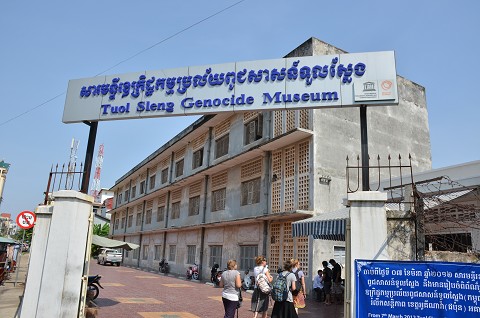
Cambodia is still recovering from the effects. Poverty is rampant and drug abuse as a way to escape the hopelessness of life is common. Cambodia is a place where people are incredibly vulnerable to human trafficking because they lack opportunities at home and are easy targets for those preying on the weak or uneducated.
It is mind-boggling that all of the violence and genocide that I have seen first-hand evidence of or seen the results of have taken place, at least partially, within my lifetime. I know there is violence still taking place in countries like Sudan and Somalia. I ponder what it is that I need to do as a person and as an educator to help stop this cycle of poverty and genocide that has taken place on at least 3 continents in the last 35 years.








