
has
started writing a series of blogs about each of the countries we’ll
be visiting over the next year. This is the sixth of that series,
about Cambodia! Read on, and find out a few things you might never
have
known before !
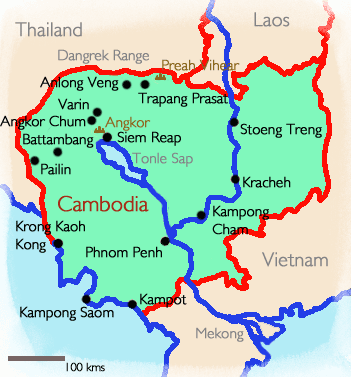
Cambodia
November); dry season (December to April); little seasonal temperature
variation
 Offer a traditional greeting with hands in front of face,
in prayer-like fashion (If one intends to show greater respect the bow
is lower and the hands brought higher) .. unlike Lady Gaga who ‘bows’
with her hair… 😉

Sit with your legs straight out (crossing legs shows disrespect)
DON’T– hug, kiss, or touch the body of a Khmer woman while greeting her (if you are a man) or look women directly in the eye.
You must wake up before sunrise or you will be considered as lazy.
 Cambodian
dances are used to transmit knowledge of traditional beliefs or legends
or to appease malevolent spirits. One such dance is the Robam Kandob Ses or �Praying Mantis Dance’ which imitates the insect.
A guest is polite and doesn’t talk unless spoken to.
Women should avoid skirts above the knees and sleeveless or low-cut blouses. Shorts are not appropriate in public or when a guest.
If invited to a home, take nicely presented fruit, sweets, pastries or flowers.
Avoid giving knives. Gifts are usually wrapped in colorful paper. Do not use white wrapping paper, as it is the color of mourning.
 Kings built stone temples as a way of “asserting their divinity” and created cities around them. The best-known site is Angkor Wat, a
Cambodia remains one of the most heavily land-mined countries in the world. Visitors should travel with a local guide and never stray off the main paths.
Cambodia is teeming with fried crickets, deep-fried a-ping (tarantulas-which some believe stop breathlessness), fried kantes-long (a black beetle), fried mea phleang (winged termites), fried pupas, dried clams, lie (freshwater clams), kchorng and kchav (types of snails) and deep-fried kantea-touk (a menthol tasting beetle) ….. oooh minty fresh!
 Tuol Sleng
is a genocide museum in Phnom Penh. It was a former high school that
was used by Khmer Rouge as a jail and torture site and is a shattering reminder of the indiscriminate horror perpetrated upon and by the Cambodian people.
represents the end of the harvesting season. The farmers enjoy the
fruits of their harvest and relax before the rainy season begins.
http://www.parish-without-borders.net/cditt/cambodia/khculture.htm
http://www.iexplore.com/world_travel/Cambodia/Culture&nav=next
http://www.angkorguides.com/events/royalploughing.php?mid=16







