
The only thing that I expected walking into
Rwanda was heaviness and brokenness. The infamous genocide happened
eighteen years ago, but still — outside of post-Katrina New Orleans, I have no
experience in a place that has so recently been ravaged by disaster.
Rwanda was heaviness and brokenness. The infamous genocide happened
eighteen years ago, but still — outside of post-Katrina New Orleans, I have no
experience in a place that has so recently been ravaged by disaster.
And as horrible as Katrina was, it was just not on par with
the Rwanda Genocide.
the Rwanda Genocide.
In the spring of 1994, the president of Rwanda flew to
Tanzania to sign peace agreements that were intended to smooth things over
between the Tutsi and Hutu peoples.
Tension had existed between the two groups since Belgian colonialism in
the early twentieth century; this tension was only accelerated during the
post-WWII German occupation. There had
been [comparatively] minor outbreaks leading up to 1994, attacks and killings
from both sides, and the president was on his way back to Rwanda to institute a
new, peaceful regime.
Tanzania to sign peace agreements that were intended to smooth things over
between the Tutsi and Hutu peoples.
Tension had existed between the two groups since Belgian colonialism in
the early twentieth century; this tension was only accelerated during the
post-WWII German occupation. There had
been [comparatively] minor outbreaks leading up to 1994, attacks and killings
from both sides, and the president was on his way back to Rwanda to institute a
new, peaceful regime.
Then his plane was shot down. And all hell broke loose.
While both sides blamed the other, the Hutus began
massacring Tutsis within hours of the crash.
There was a highly organized, systematic killing plan in place and the
world sat and watched as Hutu extremists ruthlessly murdered their Tutsi
coworkers, neighbors, and even friends.
massacring Tutsis within hours of the crash.
There was a highly organized, systematic killing plan in place and the
world sat and watched as Hutu extremists ruthlessly murdered their Tutsi
coworkers, neighbors, and even friends.
Over the next one hundred days, one million Tutsi people
were killed. One million people in one
hundred days.
were killed. One million people in one
hundred days.
That means 10,000 people were murdered every day.
That means 7 people were killed every single minute for over
three month.
three month.
An overpowering wave of hatred, propaganda, and a
power-drunk regime swept the country and left it in shambles. The RPF, an army of Tutsi refugees, finally
gained control of Kigali and stopped the killing, but what then? The physical, psychological, and social
damage was way too widespread to address on a large level. This country is the size of Maryland and it’s
in the middle of Africa — what can a mere eighteen years do to eradicate the
atrocities?
power-drunk regime swept the country and left it in shambles. The RPF, an army of Tutsi refugees, finally
gained control of Kigali and stopped the killing, but what then? The physical, psychological, and social
damage was way too widespread to address on a large level. This country is the size of Maryland and it’s
in the middle of Africa — what can a mere eighteen years do to eradicate the
atrocities?
As it turns out, eighteen years can do a lot.
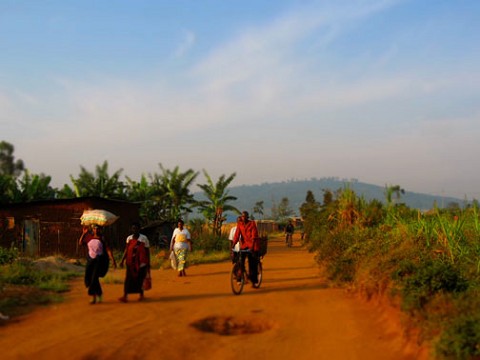
A lot.
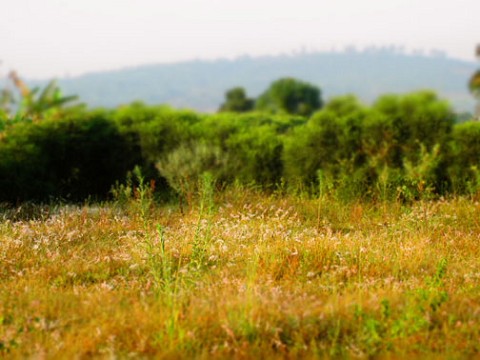
If I hadn’t have known what happened here in 1994 before I
got here, I don’t think I would have believed it. The landscapes, the people, the hospitality —
it’s all stunning.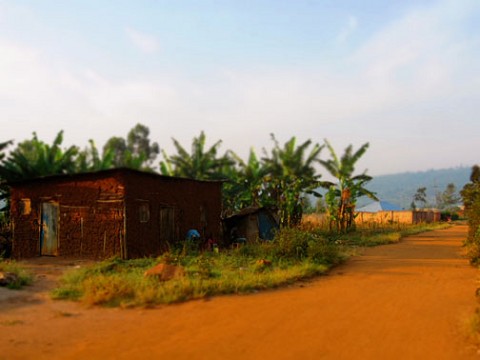
got here, I don’t think I would have believed it. The landscapes, the people, the hospitality —
it’s all stunning.
It’s all red dirt, rolling hills, bamboo-like banana plants,
and cool breezes.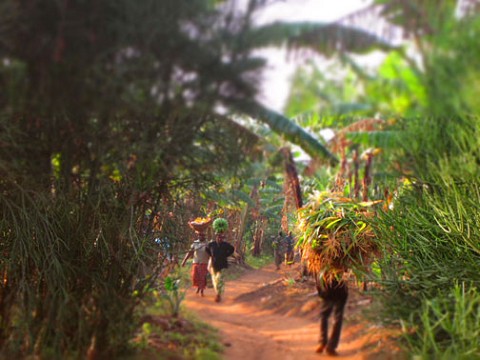
and cool breezes.
My team and I cannot walk anywhere without being mobbed by
children who literally sprint towards us, screaming and chasing us down the
road until they hug each and every one of us.
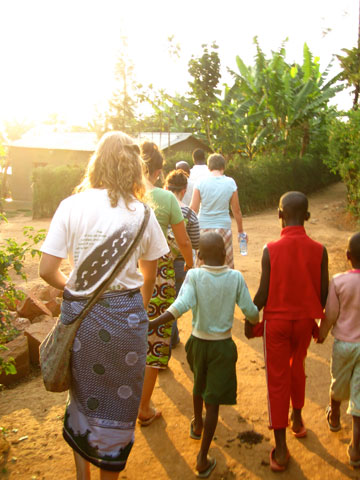
children who literally sprint towards us, screaming and chasing us down the
road until they hug each and every one of us.
Even the adults, the ones who’ve lived through the nightmare
of the genocide, are warm and friendly with us.
We are welcomed into homes, greeted on the streets, constantly shaking
hands and hugging strangers.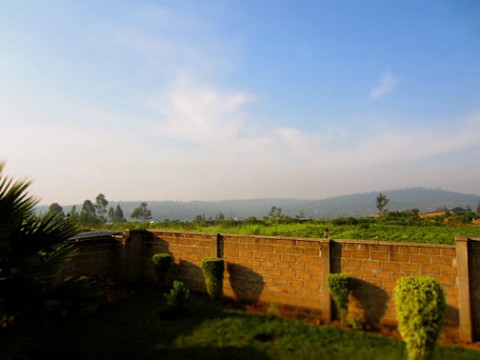
of the genocide, are warm and friendly with us.
We are welcomed into homes, greeted on the streets, constantly shaking
hands and hugging strangers.
In short,
Rwanda is easily one of the most welcoming, peaceful, beautiful lands I’ve seen
yet on this Race.
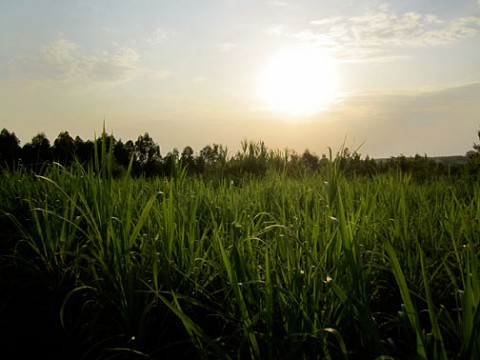
I have loved this tangible picture of God’s goodness. I can touch grace and redemption in this country — the children, the warmth, the very soil — it’s all covered with it. Though there are still needs in this place
and you can feel the scars from the genocide like you can feel a patched tear
in jeans, there is a newness and a freshness here that can only be described as
miraculous. This month reminds me, yet
again, of God’s faithfulness and ability to make even the most depraved acts of
blind hatred into something beautiful and worthy of praise, all to His glory.
and you can feel the scars from the genocide like you can feel a patched tear
in jeans, there is a newness and a freshness here that can only be described as
miraculous. This month reminds me, yet
again, of God’s faithfulness and ability to make even the most depraved acts of
blind hatred into something beautiful and worthy of praise, all to His glory.
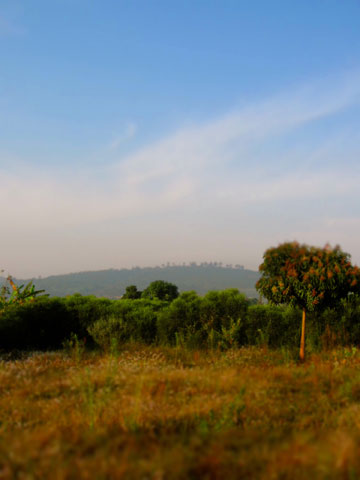
Rwanda is nothing like I expected it to be. I anticipated a grim, closed-off, broken country that felt heavy. Instead, I’ve found a place of peace and beauty. A place that resounds with grace and newness. A place of full of fresh-faced children, physical reminders that the future is still unwritten and therefore hopeful. The genocide shook this country to its core less than two decades ago, but here it stands — redeemed, rebuilt, and hungry for more Jesus.
Not a bad place to spend month six of this crazy whirlwind, in my opinion.







