
My hand ached as she squeezed the life out of it. The normally friendly security guard eyed her suspiciously without saying a word to any of us. The air was still as we walked into the Penny Market. Her sweet, knowing face was a mixture of shame and pride–shame from the stigma of her own people and pride from the one holding her hand for in that gesture she found acceptance and protection–at least for the moment. As we walked back to church hand-in-hand, the suspicious looks and unkind words aimed at her stabbed at my heart. The word “gypsy” dripped off their tongues as if it were a disease, not a people group.
Once inside the church gates, I felt relief–here was a place she could rest, feel loved, and accepted. What I didn’t realize, however, was how deep the cultural stigmatism goes and even in this place of refuge, the acceptance she so deeply craves isn’t secure. Injustice exists even here–not from everyone of course, but my heart broke as I watched purses being gripped a little tighter, children keeping their distance, and unkind words spoken.
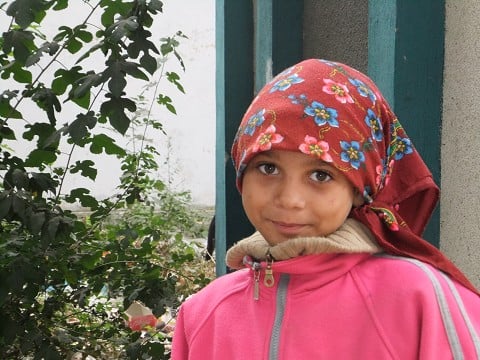
This experience begged the question: Do I do the same things? Do I treat people who are a little dirtier, a little less “respectable” in the community, a little more morally “wrong” as if they are a lesser person? Do I speak of Jesus’ love while acting as if His love is solely for people who look like me, talk like me, act like me? Or do I remember that Jesus came to bind up the broken-hearted, to set the captives free, that He came for the “least of these”? I pray it is the latter.
"Truly I tell you, whatever you did for one of the least of these brothers and sisters of mine, you did for me."
Matthew 25:40







