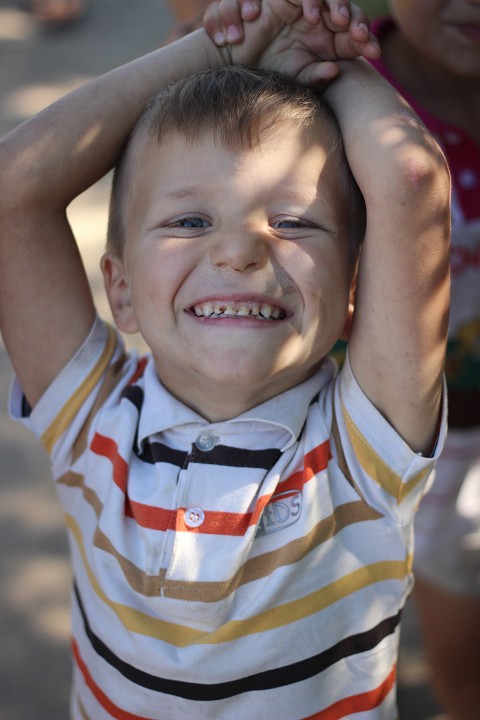
Before I can stop him the young boy by my side picks up a rock and hurls it at the dog poking its head out of the Gypsy buggy that is passing by. I watch in horror as the rock smashes into the pup’s nose and he lets out a heart-wrenching yelp.
Although open racism towards Gypsies is common in Romania, I was shocked by this child’s blatant act of hatred nonetheless.
While fully Romanian, Gypsies are separated not only by their physical appearance, but also their distinct culture, customs and language. Streams of racism run deep in the Romanian mindset, polluting the attitudes of even the youth. They are often viewed as deceptive, uncouth, unclean and untrustworthy. It's no wonder that they are a people who keep to themselves. While the majority live in designated Gypsy communities, the poorest Gypsies are often seen riding through the streets on top of their homes – horse-drawn buggy caravans. These are the ones who receive the brunt end of cultural rejection.
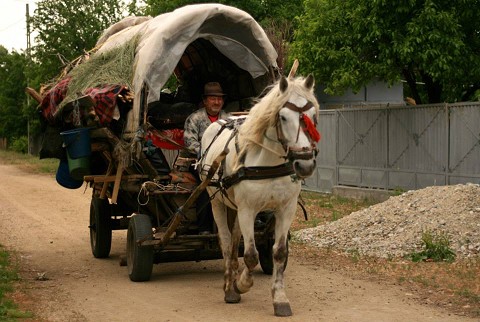

(*these two photos credited to Amanda Tuten)
Before I could open my mouth to reprimand the boy, Ion, the village pastor, had the boy by the hand and was marching him after the Gypsy cart. Catching up to the caravan, Ion asked him to stop so that the boy could properly apologize. Ion then proceeded to buy the entire pile of wood that the man was selling, giving water to the man's horse and cheerfully chatting with him. Deep and sincere love and acceptance breathed out of Ion's countenance.
It’s instances like these that make me realize the quiet but powerful impact that Ion has in this village community. He lives so contrary to the culture around him that it’s impossible for the rest of the tiny town not to notice.
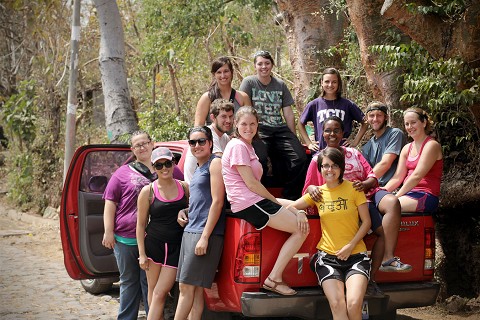
Three of the four weekends of my time in Romania have been spent with the Pastor, his wife and three daughters in this little village outside of Draganesti. Three racers and I arrive on Friday afternoon and stay until Sunday, serving alongside this lovely family. We help them put on children’s programs and adult Bible studies, play soccer with the village children, visit people’s homes, walk around meeting villagers, pray over the sick and elderly, and worship with them on Sundays.
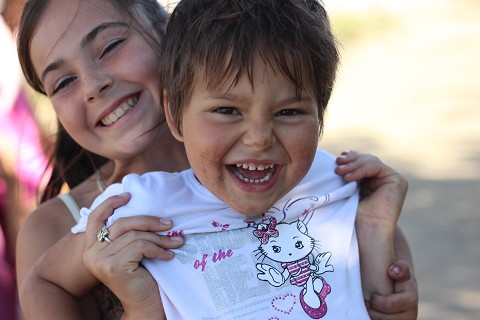
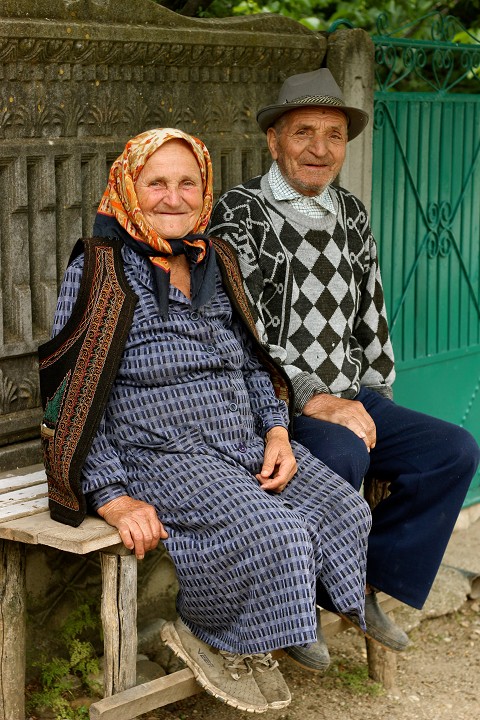
When Ion and his wife became believers ten years ago, there was not a single other believer within miles. Now a small group of believers meet regularly at a quaint church in the village center. While their church is small by American standards, each member follows Ion's example in true, sincere devotion. God is slowly transforming this village through one couple taking God at his Word and actually living out the Gospel. From the little children who come to play games to the old couples observing from their benches, the town's people notice this family.
It's not simply what they do not do (like not participating in acts racism), but what they do do (actually opposing it) that sets Ion's family apart.
So often we stop at NOT acting in a certain wrong way, but fail to take the extra step TO act in the right way. While it may feel like swimming upstream to live in opposition to cultural currents, it’s this kind of intentional living that impacts people and causes others to turn their heads and ask why.
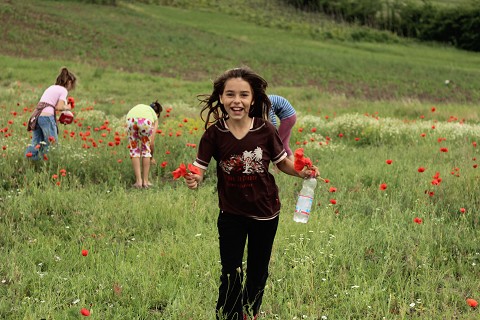
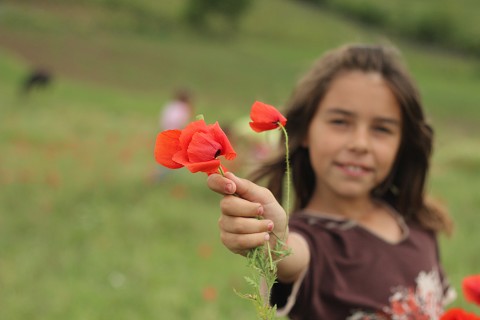
During the in-between times, Ion's family pour that same love out onto us. Time after time they invite us into their home and serve us hot soup with fresh, home-baked bread. For hours we sit laughing around the dinner table in sweet fellowship. Afterwards we follow their girls onto the green rolling hills, picking wild flowers, drinking water from picturesque wells and having picnics in the woods.
Truly my soul is refreshed during these weekend retreats. Being here reminds me what an abundant life God has for us. When we live as God calls us, taking the words that we read each morning literally and living them out, not only do we find deep joy and complete satisfaction for ourselves, but this rich life spills out onto everyone around us. And it changes people.
Because just as racism and hatred are contagious, so are love and kindness.