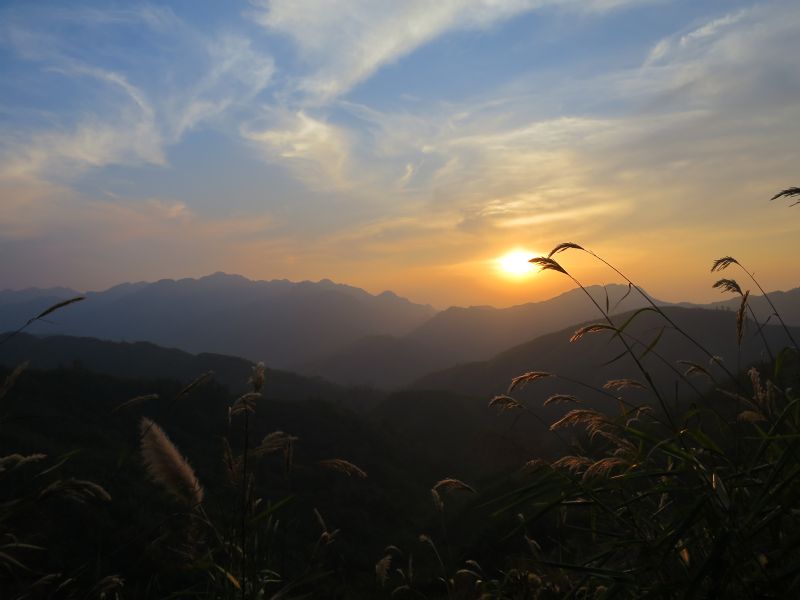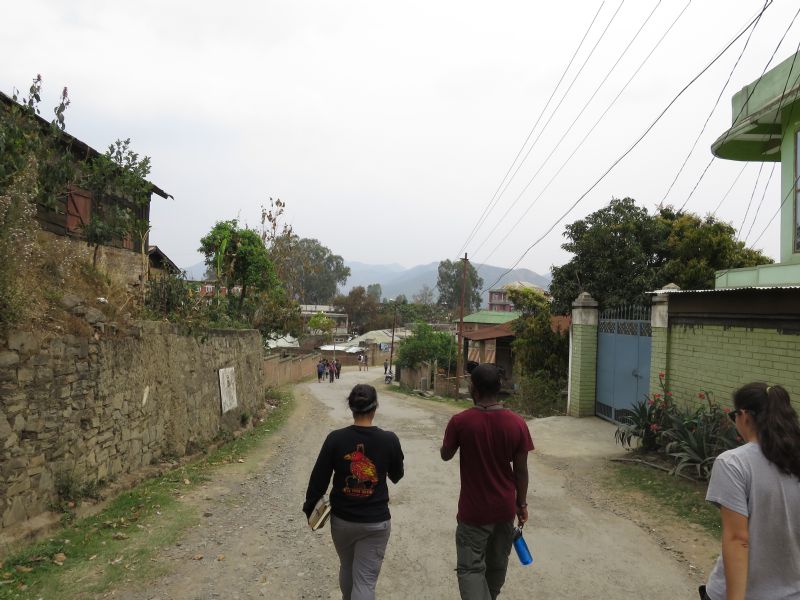
My squad was blessed with the opportunity to go to the state of Manipur, one of the few states that reside in this extra swath of land attached to India by little more than a few mile with strait of land. Manipur, and it’s people, are very dissimilar from what an average American person might think of India. The land is sparsely populated, the people resemble their Mongolian heritage very strongly, and the terrain is extremely mountainous.
Our squad was partnered with Bibles for the World and Partnership Mission Schools. The hosts that we had explained to us how much rich history the location we were at, along with the ministry we were part of, had with the area of Manipur. Partnership Mission Schools was started by the recently late Rochunga Pudaite, who began his life as a tribal boy, pastored by the ways of his father in Christianity. While his tribe was Christian, they had no Bible in their own language. Rochunga’s father encouraged his son to go out into the world so that he may learn enough to translate the Bible into their tribal language, Hmar. From there, at the age of 9, Rochunga traveled by himself 90 miles through a mountainous jungle to the nearest school to learn English. From then on, throughout the rest of his early life, Rochunga spent his effort learning Hebrew and Greek, and eventually translating the Bible into Hmar. After that he continued to plant schools, disciple others, and found a seminary in Manipur. His son, John, was our host in Manipur.
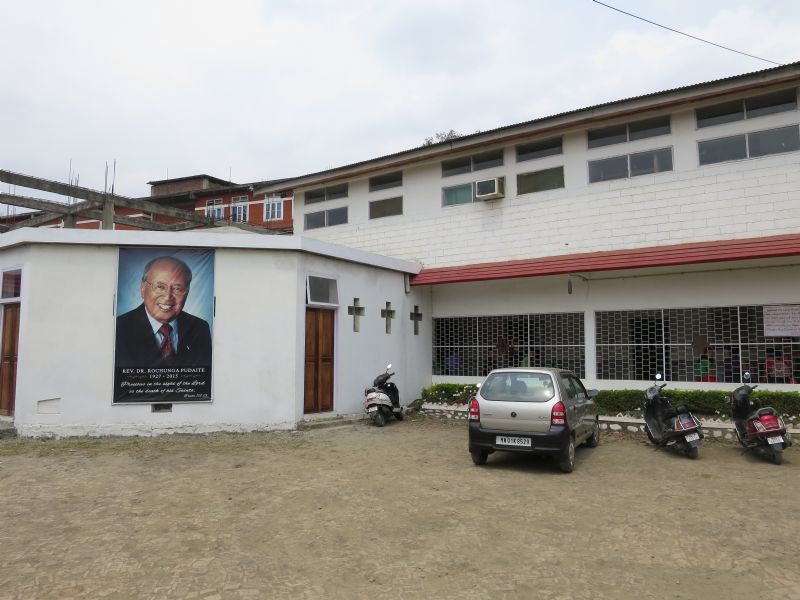
My team, specifically, had the privelage of actually going to the remote villages of the Hmar people where Rochunga had come from, while the rest of the squad stayed at the more accessible town of Sielmat. From Sielmat to our destination in Lungthilien it is a 11-14 hour drive on a poorly maintained dirt road, going an average of 17mph. The Indiana Jones ride in Disneyland no longer seems fictitious to me.
When we actually arrived in Lungthilien, we were treated and taken care of extremely well. Our very kind hosts Rosie, LC, and Moi (not sure how to spell her name), along with our liaison Abraham spared no effort to make sure we had what we needed. Most of our time in Lungthilien was spent either visiting the Partnership Mission Schools in various nearby villages, or interacting with the children at the school we were staying at. I, unfortunately, was battling some sickness and could not be out and about as much as I would have wanted, but felt extremely priveleged to be able to see these towns and meet the students nonetheless.
One of the objectives that our liaison, Abraham, had in coming to these villages was to take portraits of all the sponsored students, which my teammate Josh helped him out with. I gotta say, I used to wonder why sponsored students always looked so darn shocked in portraits. I actually still wonder. But I can tell you how it goes down, at least with the Hmar children.
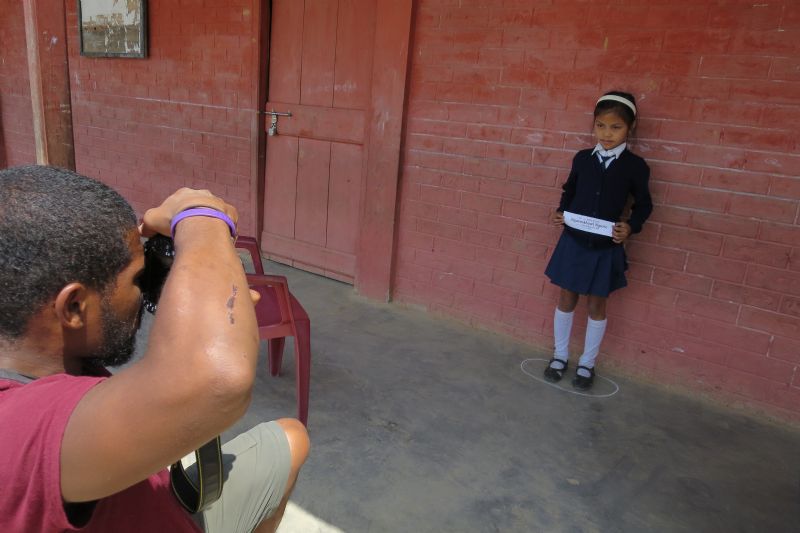
There’s a hundred students all gathered around the photographer, all playing, laughing and smiling. They make just enough space for the camera to capture a student solo as they are backed against a wall. Once a child is done, the headmaster calls for the next child. The child weaves her way through the crowd, smiling and laughing all the way up to her spot in front of the camera. Stone face. She no longer wishes to smile. She isn’t unhappy or scared; she likes pictures and her friends are less than 3 feet away from her. She doesn’t know what it is, but suddenly this overwhelmingly strong desire to hold back a smile has overcome her. If the photographer is lucky, he can get her to laugh by making some sort of joke or mime. Picture is taken, child is released, she starts smiling and laughing again. No one know what really was going through her mind. Time for the next student.
Yeah, that’s basically the abridged version of my journey into Manipur. Until Next time.