
My name is Ryker Thompson and Kaitlyn is one of my good friends. Kaitlyn and I became friends early in our freshman year of college. Although she and I majored in different subjects, the list of organizations or campus involvements that we had in common would be pages long. I find it funny that we are now both spending our first year after graduation outside of the U.S.

I am currently working a 13 month contract in the Dominican Republic for Esperanza International, a Christian microfinance non-profit. The Dominican Republic is home to 915,200 individuals living on less than $2 a day. Esperanza International’s services in microfinance and health education equip the marginalized and offer opportunities for hope and restoration to those in desperate need.
When Kaitlyn asked me to write a guest blog on her world race site, it took me a few days to think of a topic that could tie in the World Race, Esperanza, and be relevant to a reader. Through our different life experiences, cultures, and beliefs, we all see things through different lenses, and I wanted a topic that was relevant for all – and that is were I matriculated with the topic of what it means to be #Blessed. Blessings are universal, have no monetary value, and transcend borders and customs.
Before I begin, I want to give a disclaimer that I am most certainly not an expert on poverty, privilege, or happiness from a few short months in the Dominican Republic. And although I am living in a third world country, I don’t think I am “roughing” it as much as Kaitlyn is. I am currently living in Santo Domingo where there is a lot of infrastructure and modern day luxuries. My apartment even has fairly consistent cold water and electricity.
Apart of my job training included a homestay to visit one of our branch offices to see the point of impact of the microfinance loans and complimentary health and educational services. My task was to observe and, through tough Haitian, Spanish and English language barriers, interview and talk to associates receiving the microloans. The businesses that the associates were growing with the microloans could range from anything from “colmados” (small corner grocery stores), fruit stands, to selling clothing out of their homes.

This experience took me to some very underserved areas. These areas are referred to as “bateys”, communities in the middle of sugar cane fields composed of groups of workers and their families. These workers are in the beating sun all day cutting sugar cane by hand with machetes, a practice that in the United States would likely be considered inhumane labor even for inmates of the most heinous crimes.

It is challenging to put to words everything about these experiences in bateys, but here are some of the lessons the individuals of these communities taught me:
There are many things to be thankful for every day. At each community meeting, there would be a worship service of songs, prayer, and scripture reading. Each service would be led by the local pastor of the community. During these services, community members would pray and thank God for what they had – things like family and health. There was something very powerful about communities living in the hardest of conditions giving thanks for what they did have.

Money doesn’t buy happiness. We typically like to verify this statement by pointing out someone in the .01% that is depressed, lonely, or the opposite of happy. However, I saw a reversed scenario – happiness within metal hut communities located in the middle of sugar cane fields. These individuals found happiness in their community of each other and from their faith.
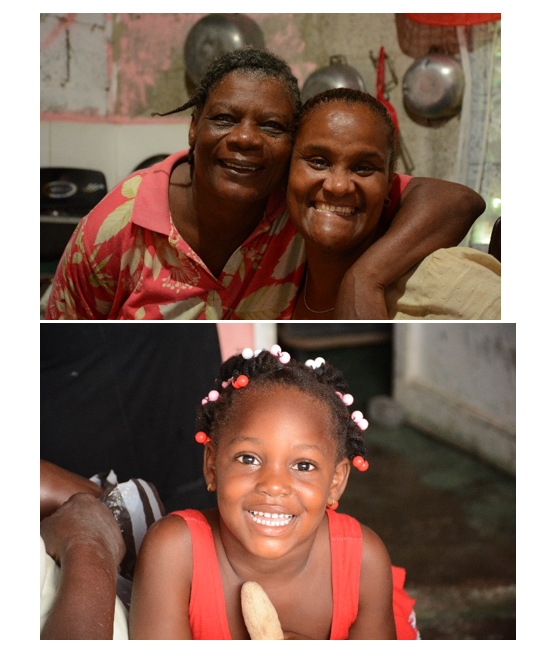
Going to school is a gift. As soon as we stepped out of the car, the outsider “gringo” skin would quickly draw weird looks from adults in the community and the curiosity of kids. I met a young boy who was four years old. He loved giving high fives, making fist bumps explode and playing catch with an old ball he had. While we were playing catch, I thought about this young boy’s future. He lives in an area where it’s common to see teenage boys already carry machetes and working in the fields and where adults typically need assistance reading. Knowledge is power and one of the few ways this boy would escape the cycle of poverty is if he was able to have an education. That moment of playing catch made me realize that the best gift anyone ever gave was an education. Yet, for the 12 years in public education it seemed so commonplace to learn how to read, write, and add.

It’s really easy to be distracted by things that aren’t going well or things we don’t have. However, I think we can all take a step back to look around. Some of the things we encounter every day and don’t give a second thought to are some of the best gifts in the world.
“Every good and perfect gift is from above, coming down from the Father of the heavenly lights, who does not change like shifting shadows.” -James 1:17







