
August 2 2014,
Zimbabwe!
I got this information from Cultures of the World: Zimbabwe by Sean Sheehan.
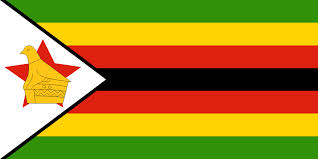
– The green in Zimbabwe’s flag represents vegetation and agriculture. The yellow/gold represents the country’s mineral wealth, and the red represents the blood that was shed during the war of the liberation.
-Zimbabwe has a sordid and violent history, with other countries and among themselves. The Portuguese invaded in 1630 and was driven out in 1663. Three hundred years later the British came and were successful in their invasion because of the conflict between the Shona people and the aggressive Ndebele people. Whites were a very small minority in Zimbabwe, and yet they had all the power and most of the land. Zimbabwe finally broke away from British Colonial rule in 1965, but they were still unequal in terms of segregation. It took years and fighting for that area to get better.
-During the time when European prospectors were looking for gold, they forced Africans to work in the mines for low wages in order to make a profit. They endured forced labor in the mines, and many died. The Africans named the mines after their experiences; Makombera, which means “you are closed in”; Maplanki, which means “planks for punishment”; Mtshalwana, which means “you will fight one another”; and Sigebengu, which means “bosses are villains.”
-Robert Mugabe is Zimbabwe’s leader and his government is shrouded in controversy. Mugabe was imprisoned for 10 years by the white minority government, and while he was in prison, Mugabe finished sixe college degrees. His government now has signs of dictatorship.

-Historians and archeologists have explored Zimbabwe’s ancient sites to uncover clues about early humanity as well as the supposed burial sites for King Solomon’s mines.
-The Shona word Zimbabwe translates as “royal court.”
-Tobacco is one of Zimbabwe’s most valuable products. More than half a million people work on tobacco farms in the country.
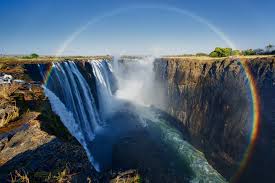
-Victorian Falls, situated on the Zambezi River, is described as one of the seven natural wonders of the world. The power of the water falling 355 feet creates a tremendous roar that can be heard from 25 miles away.
-Apart from gold and coal, Zimbabwe is also rich in other valuable minerals such as emeralds, nickel reserves, and platinum.
-7/10 Zimbabweans work in the countryside.
-Corn is the main staple in the Zimbabwean’s diet.
-A noticeable feature of many village communities is the absence of young men, because they have left the countryside to find work in the cities. So the women in the villages have a daunting list of responsibilities, such as collecting firewood and water, cooking, looking after the children, cleaning the home, maintaining the vegetable gardens, and work in the fields to sow the corn.
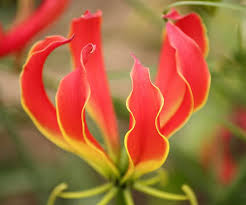
-The national flower of Zimbabwe is the flame lily, which is a climbing vine with bright red flowers that bloom in summer.
-The usual gift to the bride’s family in rural marriages is cattle. For the Shona and the Ndebele, cattle are valuable for more than commercial reasons. Cattle indicate a family’s status and prestige. In the poorer areas, where a man may not afford cattle, the grooms often make payment by doing “bride service” or Kugarira. That means working in the fields of his father-in-law for a period of time, possibly 10 or 15 years, before marrying his bride.
-English is widely spoken in Zimbabwe, and nonverbal communication is just as important as speaking. Most of nonverbal communication in Zimbabwe deals with etiquette. For example, when accepting a gift, both hands may be held out. This does not mean that more is expected, but a rather an expression of gratitude.
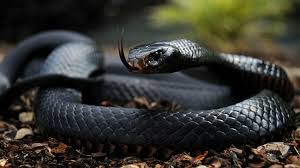
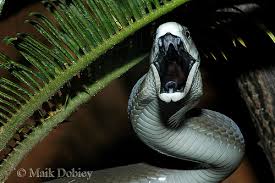
-Zimbabwe is home to many different kinds of animals; Elephants, hippopotamuses, crocodiles, lions, and giraffes. It is also the home to some of the most poisonous snakes in the world; boomslangs, black-necked cobras, and mambas. The black mamba moves very fast and will chase its prey before injecting it with a powerful nerve toxin. 
-Zimbabwe music is set apart by using drums, a thumb piano, and a marimba.
-Beer is used often in society and religious ceremonies.
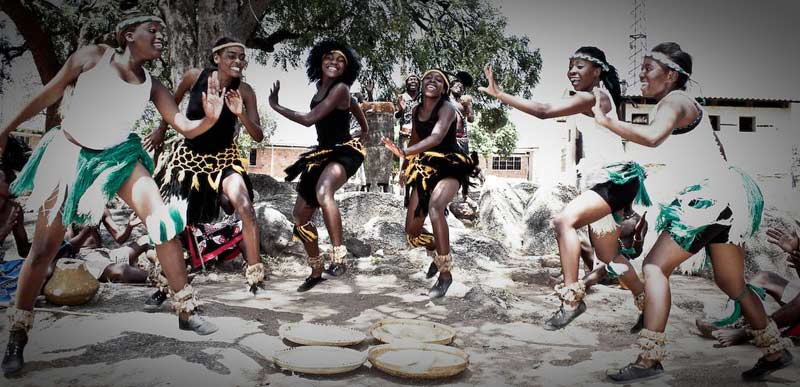
-Traditional African dance reflects a belief in the spirit of the earth as the provider of fertility. Rainmaking ceremonies also involve dancing, and some of the evangelical churches in Zimbabwe incorporate dance into their worship.
That’s it for fun facts on Zimbabwe. Next time I’ll write about the more serious aspects of Zimbabwe and what I’m praying about this week! If any of you want to add anything else, feel free!!!
God Bless!
~Tori







