
The second country listed on my World Race route is Nicaragua.
Here is a little research (quoted from the listed sources, pictures found on Google)…

Hills in Northern Nicaragua
Possible ministries (from what I can tell from WR blogs)
-
Nursing homes
-
Feeding programs
-
Special needs schools
-
English classes
-
Hospitals
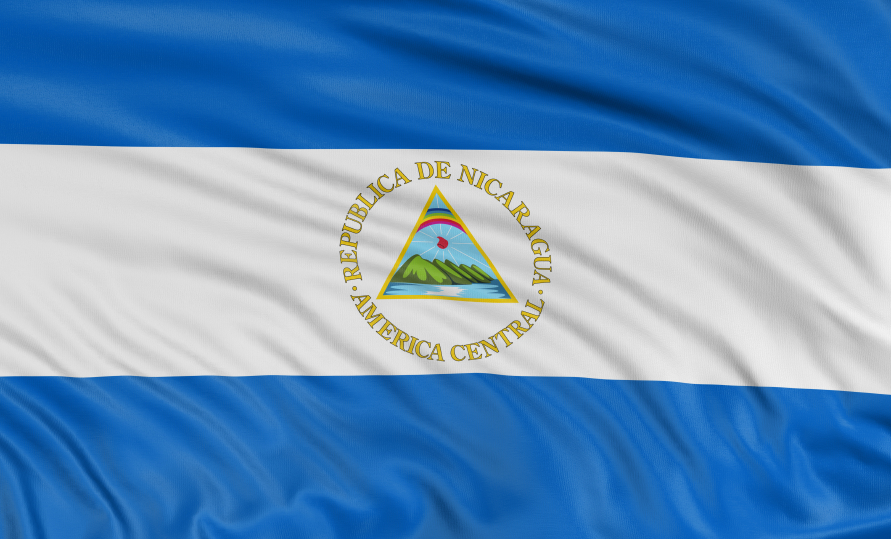
Nicaragua is the second poorest country in Latin America after Haiti. Poverty is largely a rural problem in Nicaragua, although there are pockets of poverty in the capital, Managua, and in other urban areas. Close to half (43 per cent) of the people in Nicaragua live in rural areas. Two out of three of them (68 per cent) struggle to survive on little more than US$1 per day. http://www.ruralpovertyportal.org/country/home/tags/nicaragua

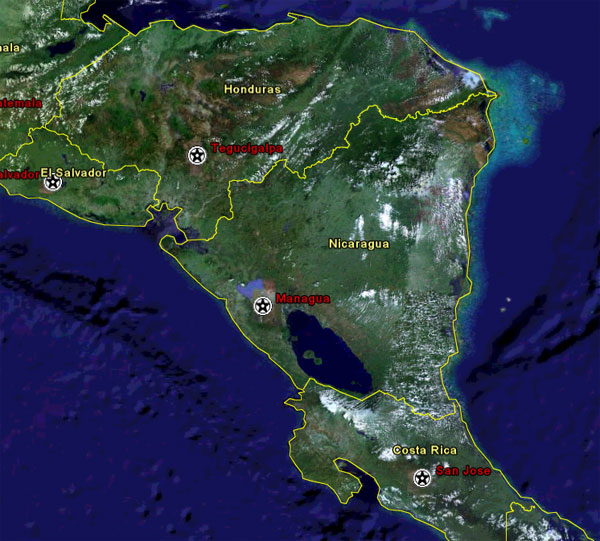
Nicaragua is the largest country in Central America. It's approximately the same size as the U.S. state of Alabama. http://gocentralamerica.about.com/od/nicaraguaguide/a/NicaraguaGuide.htm
Good to know…
The dry season in Nicaragua runs from December to May and the wettest months are usually June and October. The most popular time to visit is in November. (We will probably be there in October!!!!) http://gocentralamerica.about.com/od/nicaraguaguide/a/NicaraguaGuide.htm

Unhappy Rain Victim
Lake Nicaragua is home to the Lake Nicaragua shark — the world's only freshwater shark – which mystified scientists for decades. Originally thought to be an endemic species, in the 1960s scientists realized Lake Nicaragua sharks were bull sharks who leaped San Juan River rapids inland from the Caribbean Sea. http://gocentralamerica.about.com/od/nicaraguaguide/a/NicaraguaGuide.htm

Lake Nicaragua Shark
Hidden in its more verdant areas are a plethora of exotic creatures, like three-toed sloths, jaguars, armadillos, and anteaters. Sea turtles lay their eggs on coastal reserves, and iguanas lumber down dusty paths to find respite in the sunshine. http://gocentralamerica.about.com/od/nicaraguaguide/a/NicaraguaGuide.htm

Yawning Jaguar
The scuba diving and snorkeling off both Nicaragua’s coasts is enjoyable, especially around the Corn Islands. Inland, the Lago de Nicaragua is home to a unique variety of freshwater bull shark that swims up the San Juan River from the Caribbean. http://gocentralamerica.about.com/od/nicaraguaguide/a/NicaraguaGuide.htm
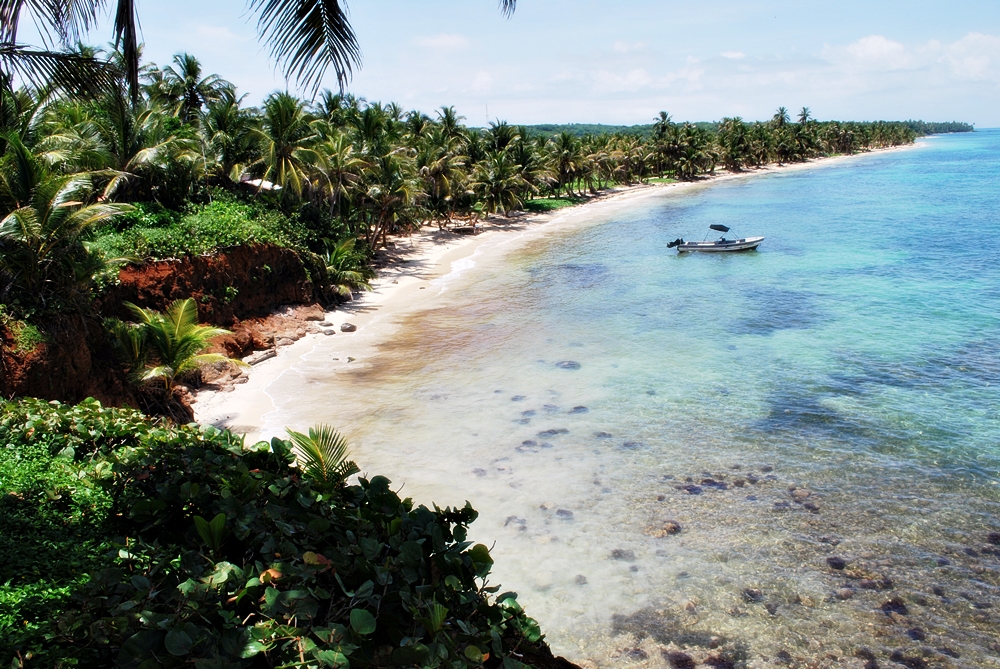
Corn Island
Lake Nicaragua was originally named the “Freshwater Sea” as the explorers who first set eyes on the lake thought that they were looking at the ocean. Once they tasted the water and realized it wasn’t salt water they declared it was a freshwater ocean instead of making the more reasonable inference that they were actually looking at a lake. http://backpackingworldwide.com/blog/11-facts-about-nicaragua/
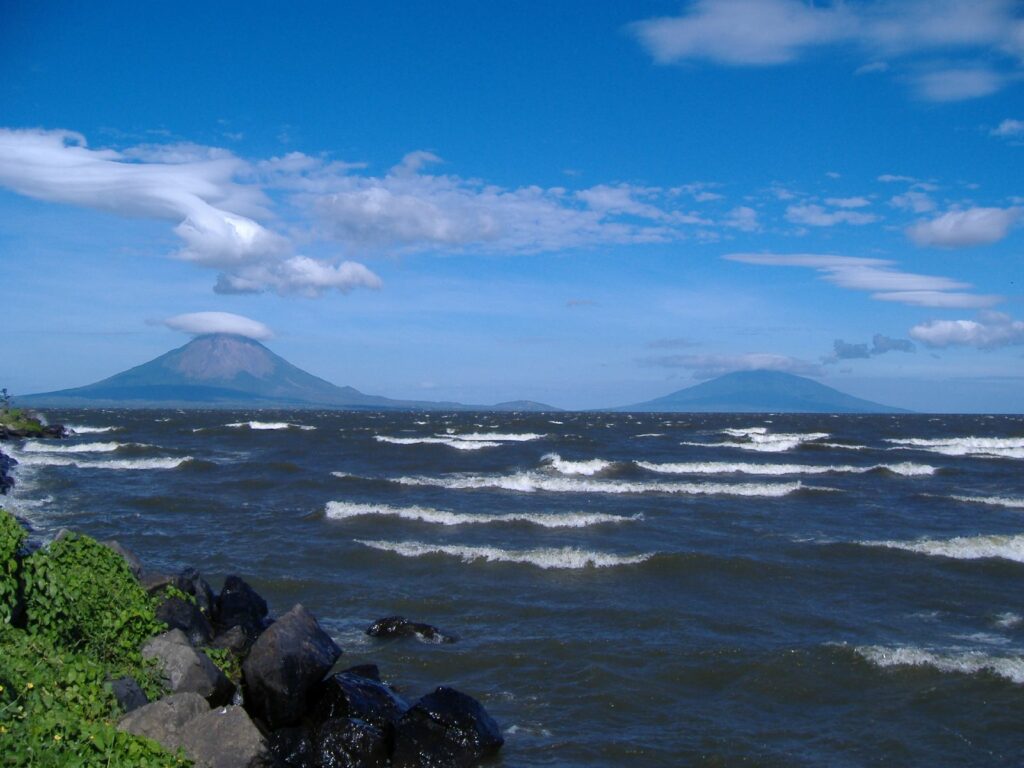
Lake Nicaragua
In most Latin American countries Soccer (Futbol) is the most popular national sport. In Nicaragua, however, the most popular athletic pass-time is Baseball. Almost anywhere you go in Nicaragua you will see baseball fields and on weekends or in the afternoons you can see organized leagues playing around the countryside. http://backpackingworldwide.com/blog/11-facts-about-nicaragua/

Baseball field in Nicaragua
Good to know again…
There are no street names in the Nicaraguan address system. The system is quite complex but the general gist of things is that addresses are given by using reference points to major land marks. An example would be “Three blocks north from dead guys corner, and then east one block.” Not a bad system right? Unless you have no idea which corner in the city a guy died on… The names of corners and land marks also have a tendency to change periodically, and even if you are aware of the system if you don’t know the new landmark name you won’t know what they are talking about. There is actually one area in downtown Managua that is used as a landmark and the name of the area is the name of a building that was SUPPOSED to be built there but never was… So, as you can imagine, it can get very very confusing.
In Leon, Nicaragua when they are giving directions they don’t use east and west. Instead they use upstairs and downstairs, a reference to when the sun rises towards the heavens (upstairs, or east) and then when the sun descends (downstairs, or west). They will sometimes also have multiple names for a single street intersection (maybe one name for each corner), which can also further complicate things. (CS host) http://backpackingworldwide.com/blog/11-facts-about-nicaragua/







