Hello and welcome to Kenya!
First let me tell you, Kenya is absolutely beautiful, and
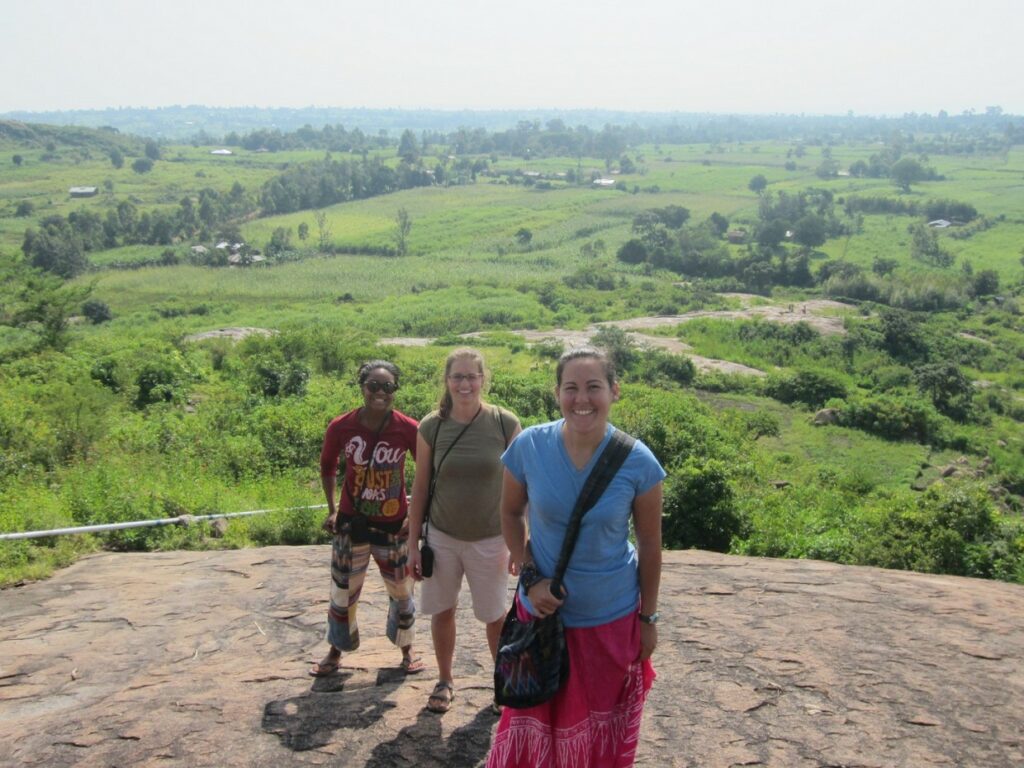
unlike anything I could have imagined. Everywhere I look, green trees and farms
surround me. Sugar cane and corn grow every few feet and cows and sheep are as
numerous as people. The weather is perfect with temperatures that hover between
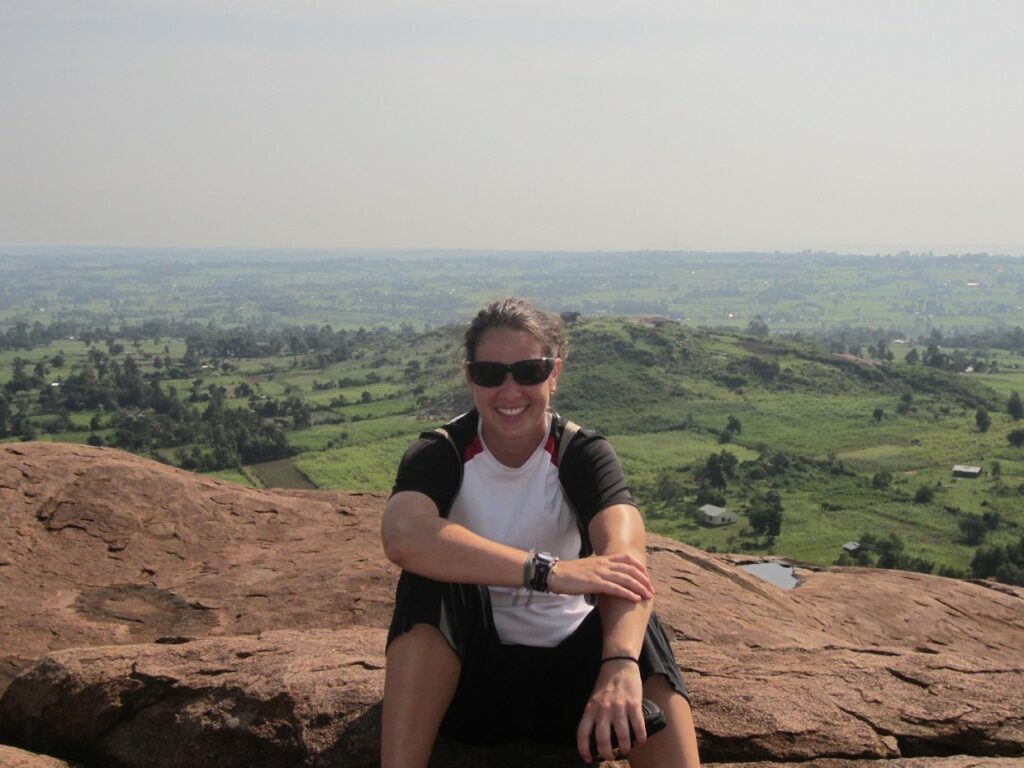
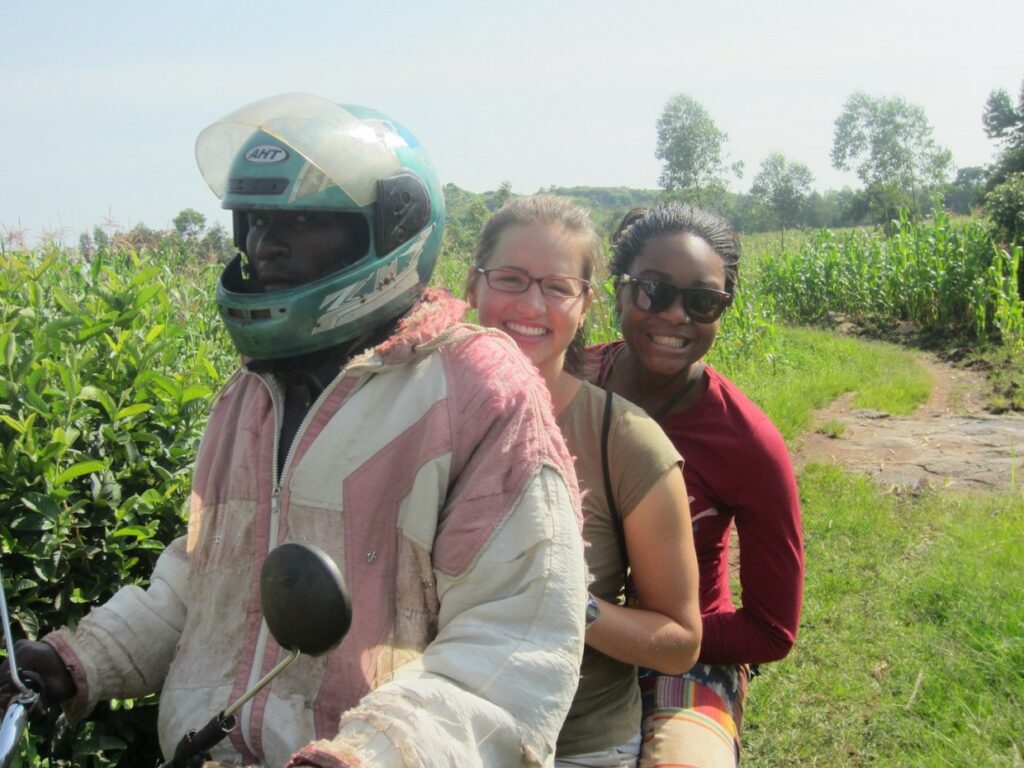
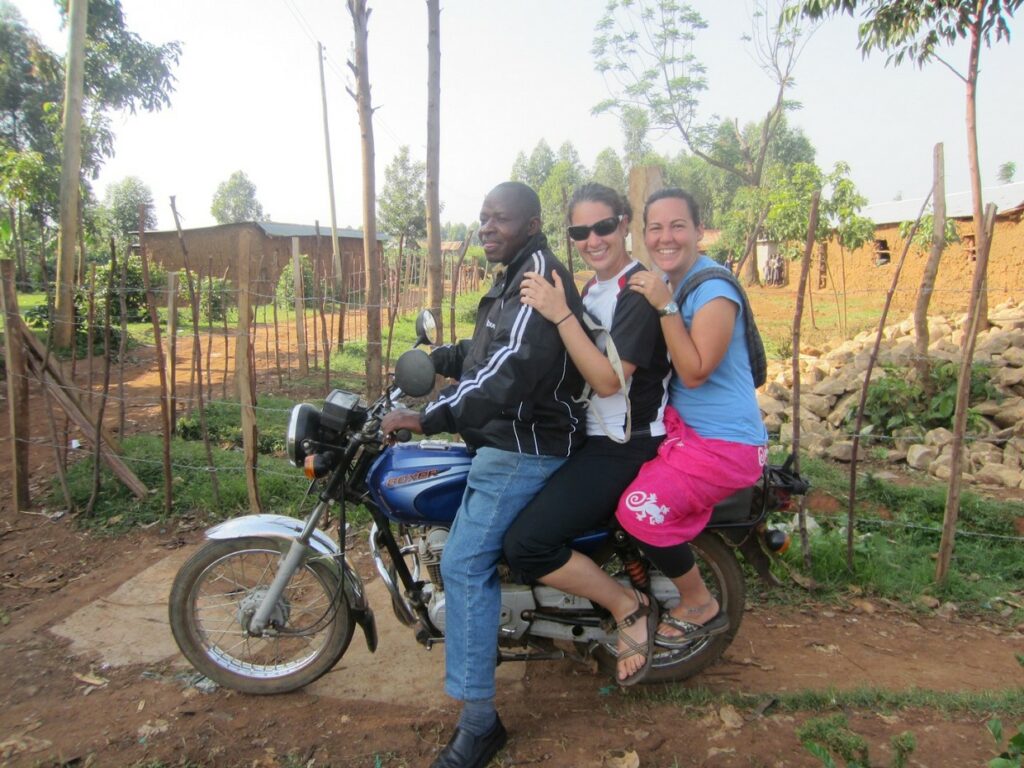
55 and 60 at night and rise into the 80s during the day. We even had the chance one day to take a motorcycle ride to a large rock that overlooked Kenya, Tanzania, and Uganda.

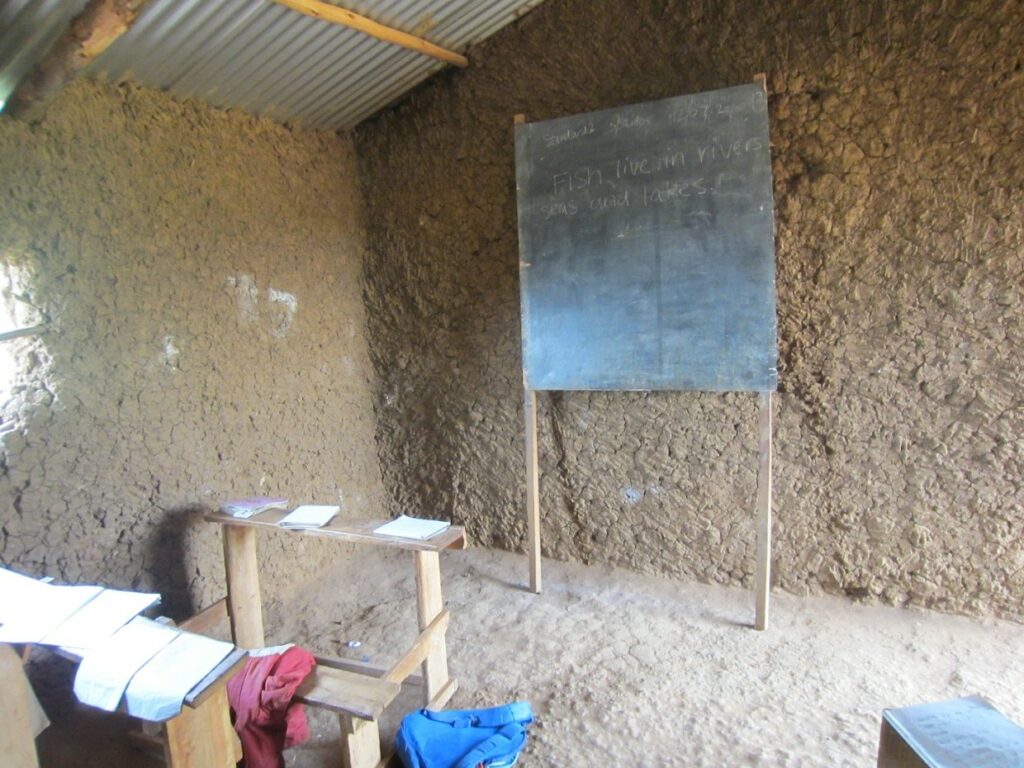
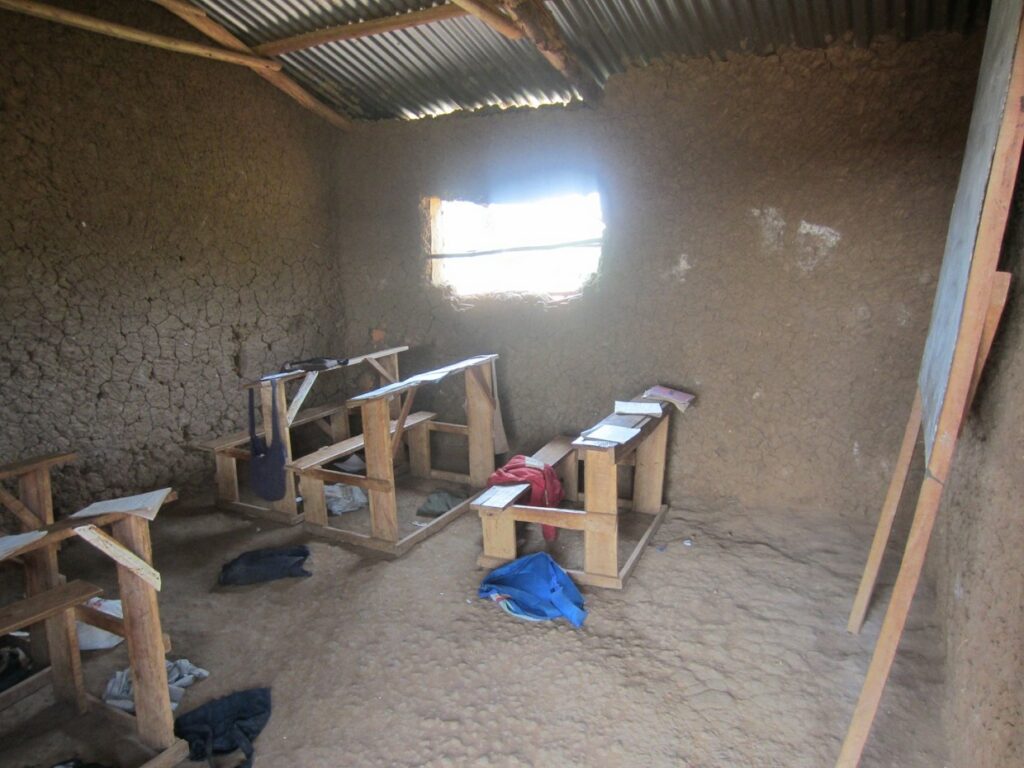
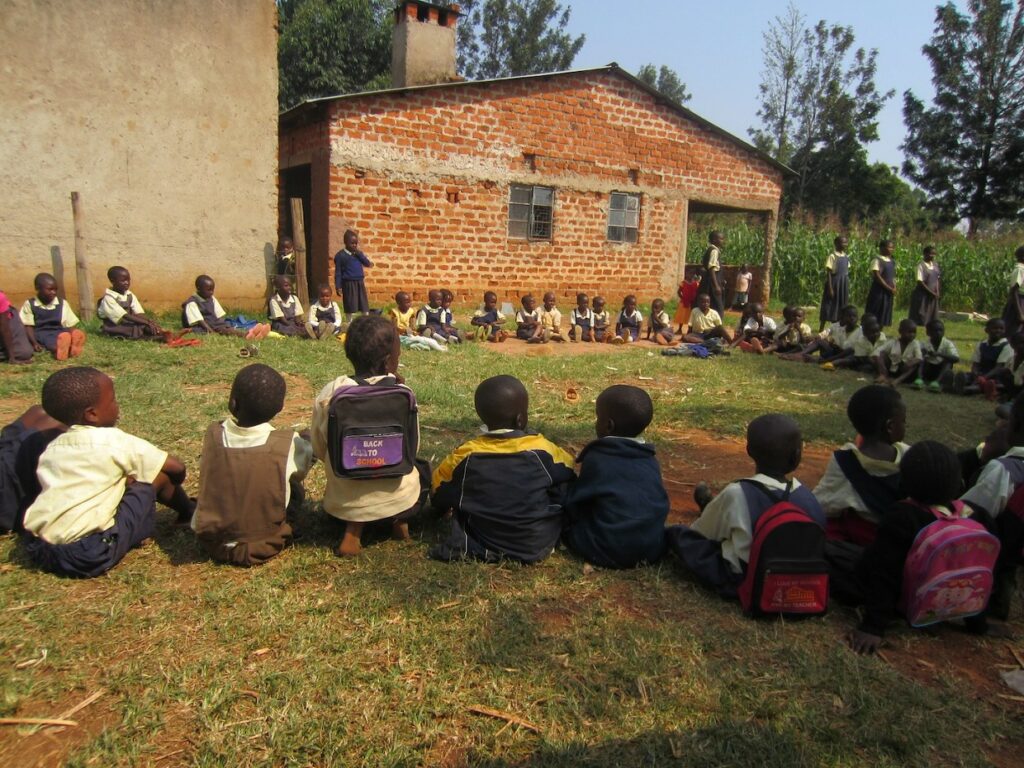
a few surprises in ministry as well. The first week in Kenya, we’ve been
working in a Christian school that our contact started. (We are unsure what we
are doing the next two weeks). The surprise came when they asked us each to
pick a subject that we would like to teach. Alys chose math, Jen chose science,
Casey took English grammar, and Suzy took religion, which left me with social
studies. Kenyan social studies to be exact.
What does Kenyan social studies consist of, you ask? Well…
let me tell you.
Kenyan social studies talks about the governmental structure
of Kenya and history of the country. We’re learning about how their ancestors
used to trade with one another and the different tribes that existed in the
area. We’re also learning about the different industries in Kenya, which mostly
consist of crops, and what conditions each crop needs to grow and how the
industries in Eastern Africa interact and relate with one another.
I say “we are learning” because a lot of the times the
students are teaching me. I stand in front of the class ready to teach them
about growing sugar cane and end up instead getting a lesson from my students.
In America, I had never seen sugar cane, and each of my students grow it in
their back yard, yet I am standing in front of the class prepared to teach them
about it. Needless to say, I’m getting quite an education as a teacher.
But the teachers and students love having us. Attendance is
at an all time high since we showed up. The students love taking notes. They
love taking tests. They are eager to learn. But we’ve noticed that they’re very
robotic about education. They copy directly from the board and regurgitate
answers. Critical thinking is not an important part of education here, and that
came as a surprise too.