
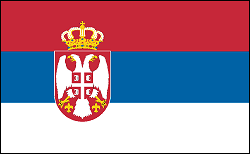
Serbia has so much history, it’s hard to keep track of it all. I am not one to remember historical facts even a minute after hearing them, but I’ve learned some about Serbia that have stuck with me because of visual reminders. The people here love to teach about their history. It's a way of inviting us into their world. The rest I have researched to put some order and understanding to my sporatic insights.
One piece of interesting history is that of the Orthodox church. When the Ottoman (Turkish) Empire ruled (500 yrs) until 1878, Islam was the main influence of the Turks. Serbia, however, held onto their Orthodox beliefs for that period of time and are therefore, a people with a deep root (culture, identity, religion) of Orthodoxy. Some of our young friends have ignorantly expressed their hatred of Turkish people even today. On the opposite side of the spectrum, I have one friend who is actually studying the Turkish language in college.
We have gone to a few Orthodox churches in Serbia and in Romania and have observed some interesting things.
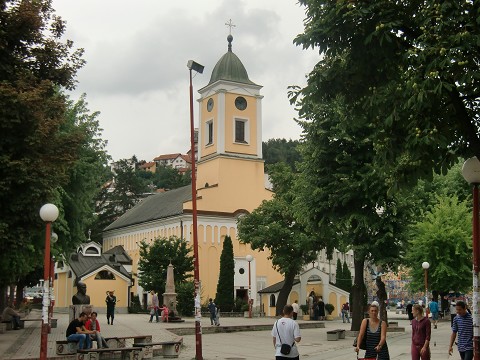
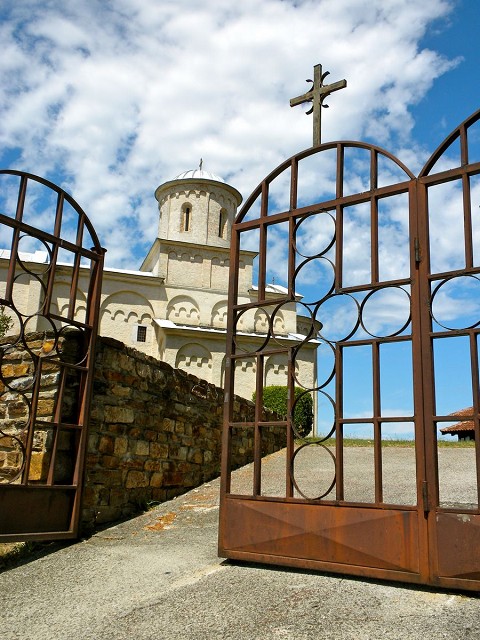
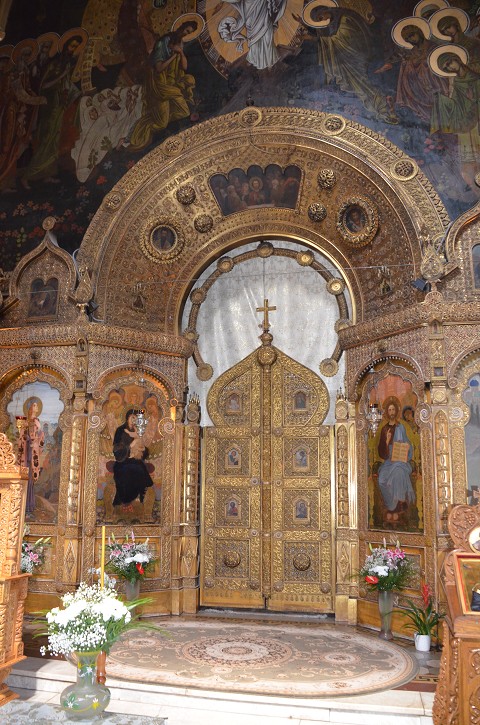
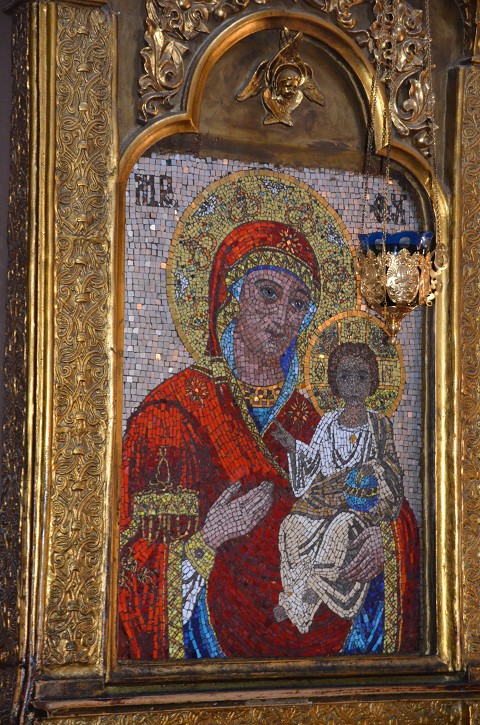
First is the unique music. Second are the murals on the walls. The murals are quite extravagant. The Turks gouged the eyes out of many of the portraits because they were made of gold. Third, was the dead skin of saints in cases. Fourth was people walking into these churches, standing before a picture of a saint or of Jesus, using their fingers to motion a cross across their chest to their head, kissing the picture, then putting money down by the picture. The people also buy candles and go into a room, light their candle and say a prayer for each one lit. They believe that a prayer is not heard unless a candle is lit. Within cementaries also, we have learned that candles are lit and a prayer is said in order to bring light to the dead and to keep them out of darkness in the afterlife. It is rituals for most people. Some are set on the Orthodox title for their identity, when they aren't necessarily following any form of Orthodoxy. Further, there are many young people who are open to discussing faith and religion and have been rejected by the Orthodox church because they possess questions related to faith.
One Orthodox tradition is called Slava, in which each family has a feast, once a year, to celebrate the day of a Patron Saint. Each household has its own saint. History says that this saint replaced a protective god from when Serbians were a polytheistic Slavic tribe. The celebration of Slava involves inviting friends over and serving them a feast. Each saint has a specific day of the year in which he is celebrated. So if I invite you over and serve you a feast to celebrate my household's saint, in return you are expected to invite me over and serve me a feast to celebrate your household's saint.
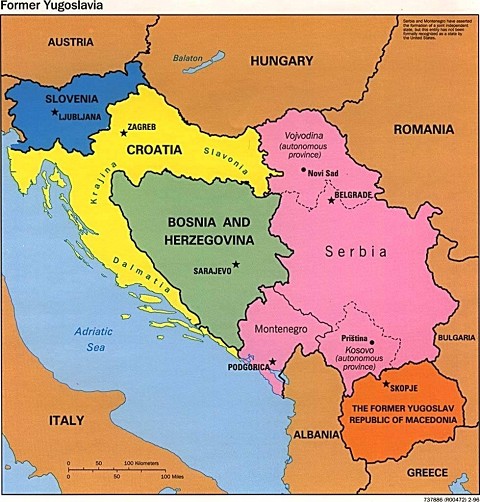
After Serbia gained independence (in 1878) from the Turkish rule, the Balkan wars (1912–1913) broke out. Serbia and other Balkan states seized hold of more former Ottoman lands on the peninsula. Then in 1918, World War I broke out and within months, much of Europe was at war. In the war's aftermath, Serbia became part of the Kingdom of the Serbs, Croats, and Slovenes. It included the former kingdoms of Serbia and Montenegro; Bosnia-Herzegovina; Croatia-Slavonia, a semiautonomous region of Hungary; and Dalmatia. These countries were later renamed Yugoslavia in 1929 and a monarchy was in existence in Serbia.
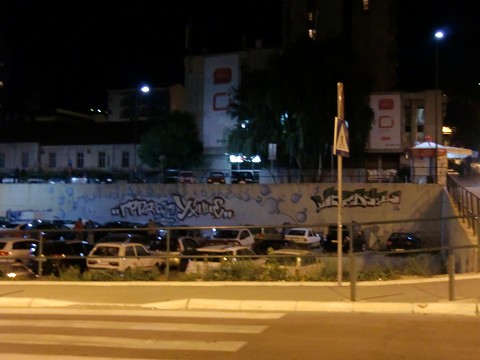
In 1941 (during WWII), Nazi Germany entered Yugoslavia and was defeated by Tito. A group of people called ‘The Freedom Fighters’ resulted from this time period. Graffiti lines the streets, of Uzice saying 'F.F.' for freedom fighters or 'slobada' which means freedom. They are a rebellious group of young people, who developed as a result of being the only ones to survive Nazi Germany influence. Of all the European countries ruled by Nazi Germany, Uzice is the only city that had freedom. Because of this, many young people are part of a proud, bold group called Freedom Fighters. As a result of Nazi defeat, the Communist Federal People's Republic of Yugoslavia, with Tito as prime minister, was born.
These wars have led to hundreds of thousands of deaths and refugees over the years. These people have experienced war after war, never knowing when stability will come. With war, the economy has collapsed and people have lost everything. However, with war, Serbs have gained a toughness about them, a confidence, a boldness. We cannot even imagine what this would have been like to experience over the years.
With so many things that we cannot relate to and thus know how to speak into, we are left with a sensitivity in approaching topics of war and of religious beliefs. Praise God that people have received us well with their with their desire to move beyond the hurts of generations before them.







