
“Las nuevas generaciones, les rendimos homenaje con nuevas victorias.”
(“New generations, we pay tribute with new victories.”)
The words are engraved into a copper plaque by one of the many murals we pass. León is a city of many colors painted over the fingerprints of ruins.
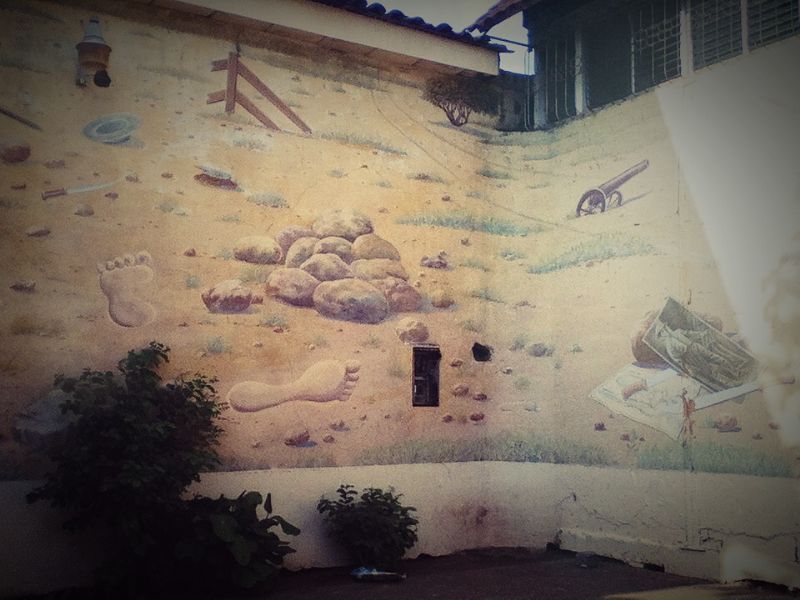
At home in Chattanooga, a mural with doughnuts stirred up major controversy, and I imagine how these murals with quite a different theme would really wad up the panties of my fellow Chattanoogans. Instead of colorful pastries floating in the sky, these paintings illustrate major political differences and rabid combat scenes with canons and machetes in the ground and children fleeing for their lives.
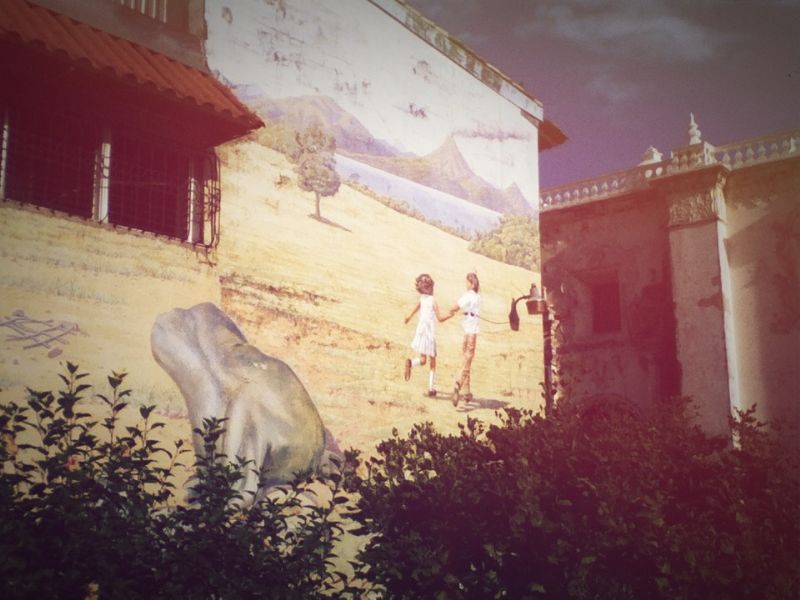
Each mural shows different sides of the Nicaraguan Revolution, which ended in 1990.
A friend of ours from the city explains to me how our generation is the first in Nicaragua to try to change their stars by getting an education, reaching for bigger goals and taking their nation back, because the generations before were merely trying to keep their heads above the water during the revolution.
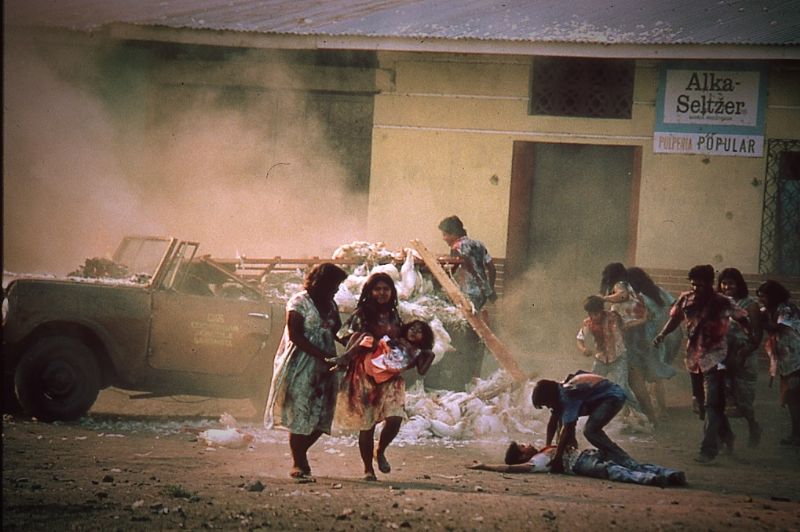
Before that, the Nicaraguan people were born in the valley of the shadow of death with warfare, dictatorship, malnourishment from government food rations and riots.
As we build homes, run church services and operate clinics the older Nicaraguans tell me about life during that era- how they remember the government walking through the streets and stomping atop of underground tunnels as people hide each other in their houses. A woman at the clinic remembers needing permission from the government to buy the tiny amount of food for her family just to have a handful of beans.
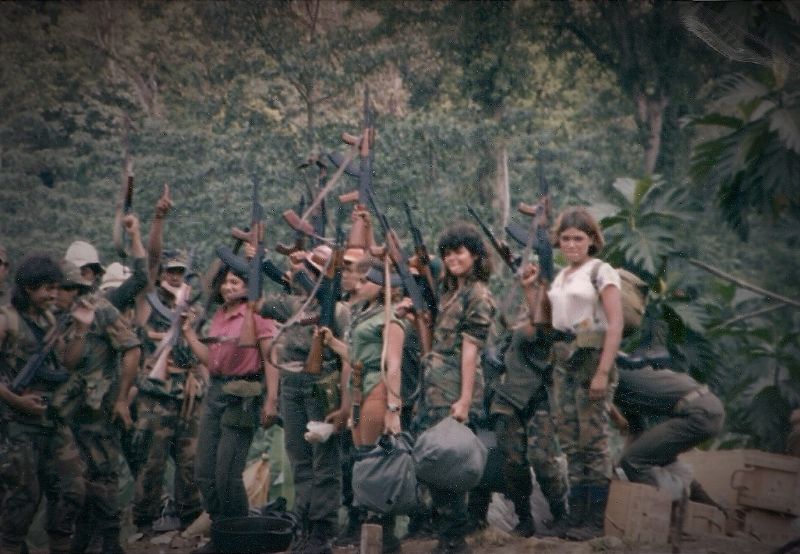
Our friend Juan Carlos tells us stories of how the tides of that Revolution reached his family in raging currents in the nineteen-eighties.
At the tender age of fifteen-years-old, Juan Carlos was drafted to fight The Contra in the war. I think about when I was that age and how I was still a baby. This man was a child soldier- fighting in a battle that began years before his birth.
He and his brother who was two years older than him went to the border together, and in the midst of combat, his brother was shot in the head and killed right before his eyes.
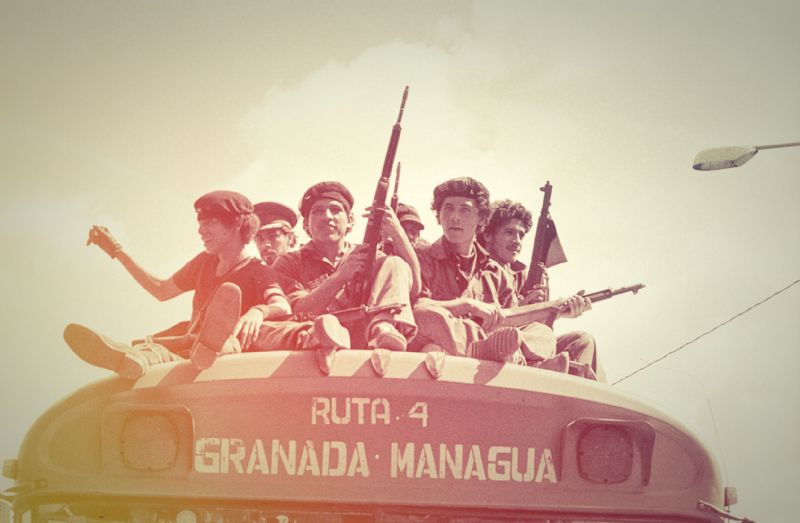
He recalls coming back home and knocking at the door of his family’s house with the government officials to tell his family that his brother was gone and how his mother melted with ineffable grief; I can see it so vividly.
I see his mother and imagine how before that knock she may have been washing mangoes or scrubbing clothes on the pila. I imagine how her world changed that day. I can see her stripped of all strength and collapsing to her knees. I can hear the pain through her wailing and screaming for the loss of her baby. I can feel a minuscule piece of the pain she felt when she had to bury her own son- something a parent should never have to experience
And my heart swells with sorrow, dropping into my gut with the gravity of shared pain.
I wonder how it must have felt to be
Afflicted but not crushed
Persecuted but not forsaken
Struck-down but not destroyed
But nevertheless, painfully refined between the sharp teeth of warfare- a feral beast.
I wonder why people with these stinging experiences would want to remember that every time they passed a mural on the way to work, the tienda, church.
Personally, I wouldn’t want a mural of my worst years painted around the walls of my city. I can just imagine paintings of me in my awkward years with braces and a Girl Scout uniform on reading Little House On the Prairie and how I would be absolutely mortified on a daily basis.
Ironically enough, this month is Easter season when we look back at all of the events around the crucifixion and resurrection. This year, the thing that stands out to me is The Passover: the time when the Jews would gather to remember the angel passing over the homes of their ancestors and their mass exodus from slavery in Egypt.
The years of slavery were treacherous and held painful memories, yet God was constantly reminding them of what they overcame with Him:
“I Am your God, who brought you out of Egypt, out of the land of slavery.”
Anytime they were between a rock and a hard place, He reminded them of how far they have come and how far they would go. He would pour resilience into His people with reminders of what they have been delivered from while showering them with promises:
“As in the days when you came out of the land of Egypt, I will show them marvelous things.”
You, I and the people of Nicaragua have this same God who led the people out of slavery. This nation had their own exodus, and the past is painted on the walls of the city. He is always sovereign to lead people out of slavery, but oftentimes, His people still carry the identity of slaves in the free land.
The Isrealites lived with slave mentalities and walked through the wilderness for forty years before entering the promised land. The temple was not destroyed until decades after Jesus was resurrected, reconciling people to The Father with no need for mediators. The people of Nicaragua are still rising above the ruins. They are still replacing plastic wrap houses with brick ones. They are still rebuilding a dead economy. They are still fighting for basic healthcare and attention to a kidney disease that is wiping out the nation.
But even after forty years in the wilderness, The Lord said to His people:
“You have circled this mountain long enough, now turn north.”
It is in these dry places between slavery and promises that it is our role to keep believing, keep hoping, keep sowing and keep pressing
Because we have that same God who can and will bring us north beyond these places.
You, I and this nation are not beyond restoration.
Remember your God who brought His people out of Egypt, out of a Revolution and out of the valley
For He will show us marvelous things.







