Cambodia
Facts about Cambodia
·
About 93% of Cambodians practice Theravada
Buddhism. Even though this is the
dominant belief, animism, Hinduism, ancestor worship, and Chinese religions are
mixed in.
·
There are over 50,000 Buddhist monks who
minister at over 3,700 Buddhist temples throughout Cambodia.
·
There are people who are “possessed by spirits”
and many Cambodians go to them and other fortune tellers to find out about
their future.
·
Cambodians belief that they must give offerings
to their ancestors because if they don’t they will be cursed.
·
About 75% of workers in Cambodia are
farmers. Those who work in the cities
are sellers, factory workers, or service workers.
·
There has been fighting in Cambodia from
1970 to 1998.
Cambodia
has been in existence for about 2000 years. In the 1960s, the Cambodian communist movement began to grow under the
leadership of Pol Pot in the northeast of the contry. The Vietnamese communist troops began to
travel through Cambodia to
get deeper into South
Vietnam. America
began to bomb these troops without telling King Sihanouk. These bombings killed more Cambodian farmers
than Vietnamese troops. Fearing that America wanted to control Cambodia, King Norodom Sihanouk cut off
relations with America. The American government was afraid the king
would side with north Vietnam,
so they helped General Lon Nol overthrow the king and take over the government
of Cambodia
in 1970. At this point, open civil war
began between Lon Nol’s government and the Pol Pot’s Khmer Rouge. People began joining the Khmer Rouge because
they were unhappy with the American bombing and the new government. Also, the king had joined the communist and
moved to Beijing. Many people loved the king and therefore
joined the communists. America provided
supplies, weapons and money to the Lon Nol government. But Lon Nol was losing the civil war and when
America lost the war in Vietnam, they stopped providing aid to Cambodia. A short time later in April 1975, the Khmer
Rouge took the capital of Phnom Penh and forced
everyone out of all the cities in Cambodia. Everyone was forced into farming communes in
the countryside and King Sihanouk was placed under house-arrest in his
palace.
Once the Khmer Rouge was in control of the country, they began to kill anyone
associated with Lon Nol’s government or his military. They also killed educated people, teachers,
and doctors because they thought they had been corrupted by Western
thinking. They killed religious people
such as Buddhist monks and over ninety percent of the Christians. People had to work long days in the fields
and sometimes got as little as one cup of rice each day. Starvation and disease began to grow. By the end of the Khmer Rouge rule, as many
as 2 million people died (almost 1/3rd of the population).
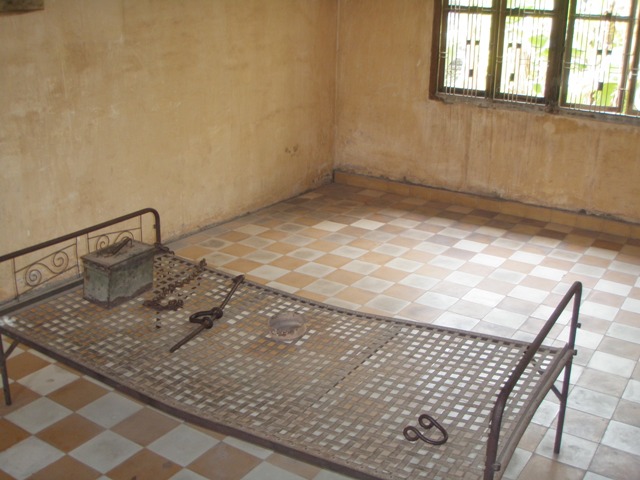
Tuol Sleng Museum
was a high school until the 1970s. In
the 1970s, the Khmer Rouge converted it into a torture prison called S-21. Over 10,000 men, women, and children were
imprisoned and tortured in this place. Included among the prisoners were individuals from ten other
nationalities. The Khmer Rouge also
imprisoned entire families including new born infants. Only 7 of the original 10,000 prisoners
survived.
Cheung Eik is the mass burial grounds where the prisoners
who had been tortured at Tuol Sleng S-21 prison were killed. Over 9,000 men, women, and children were
found buried in this site. 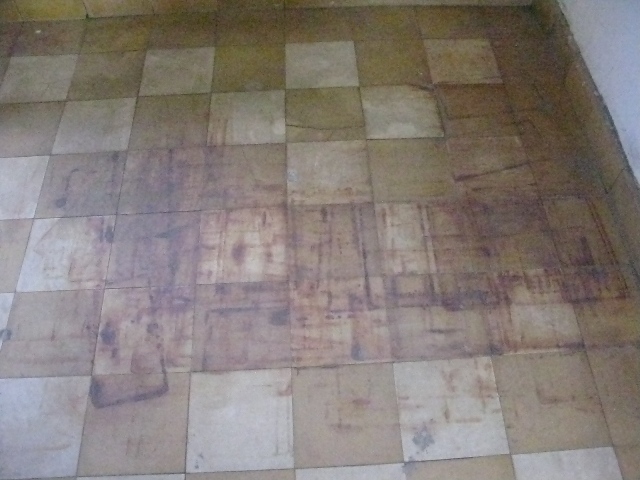
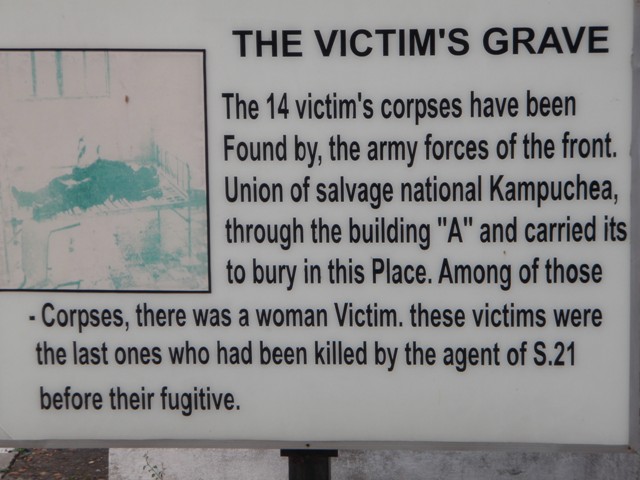
Explaining what we were seeing
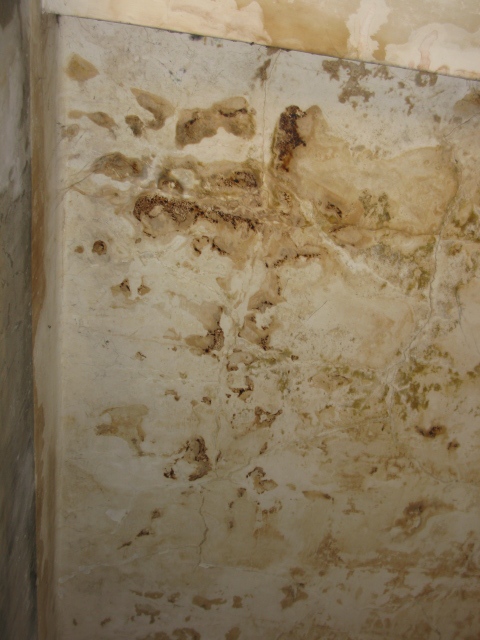 blood stained walls