
Where in the world will I be going? Well, here's my planned route beginning in January:
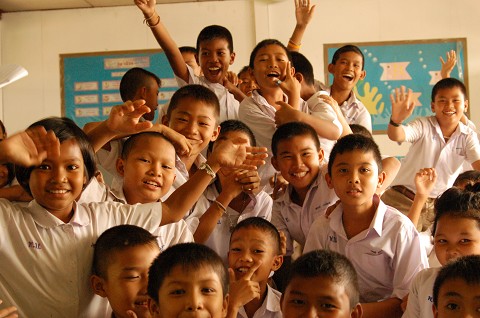 January: PHILIPPINES
This Asian island nation, once a Spanish colony and an American protectorate, is a country in tension, trying to cross the threshold between the third and first world. It offers a variety of landscapes – beaches, mountains, volcanic lakes – and languages, with Tagalog as the national tongue. The Catholic Church is a substantial piece of the religious pie, however, Islam is growing in the island of Mindinao. The Filipino people and culture love music, dance and community.
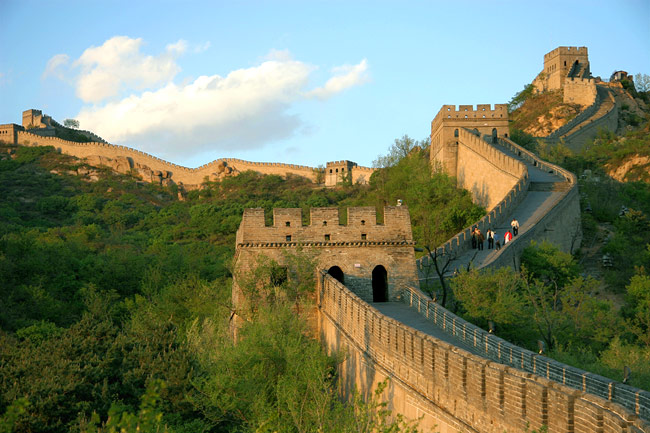 February: CHINA
Host of the 2008 Summer Olympics and home to 1.3 billion people, China is not just grand in land mass and population. While China has grown in leaps and bounds industrially, intellectually, and even economically, it's still a politically closed nation. The underground church is extensive and continues growing, even thriving amidst of persecution.
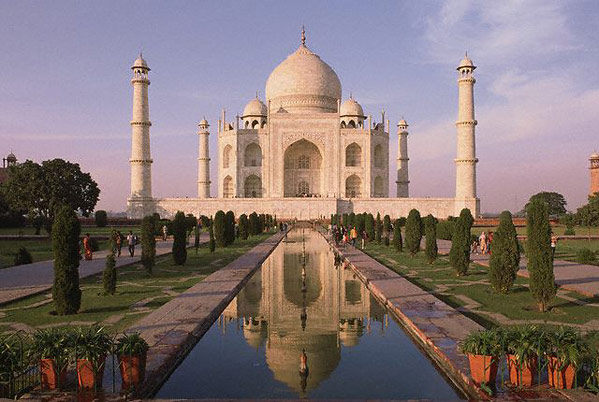 March: INDIA
With nearly a sixth of the world's population within its borders, India is a country bursting with people and culture. Home to a diverse array of beliefs from Hinduism to Islam, to a blend of folk religions and other faiths, it is a country of pluralism with twenty-nine languages spoken by over a million native speakers, multiple religions, cuisine, socio-economic classes, and political parties. India struggles with poverty and crimes of human trafficking, forced prostitution, religious persecution, and more.
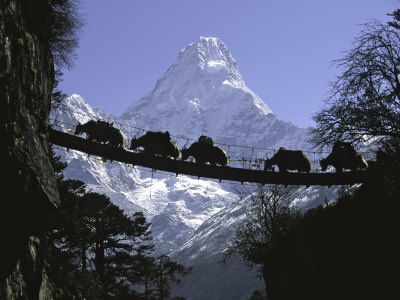 April: NEPAL
Home to Mount Everest, the world's tallest mountain, Nepal literally sits on top of the world. This culture is in desperate need for an encounter with the living God.
 May: SWAZILAND
The Kingdom of Swaziland is one of the last remaining monarchies in Africa. Home to 1.1 million people and breath-taking scenic views, it's also where the world's highest HIV/AIDS infection rate lives (26.1% in adults and over 50% of adults in their 20s). It's estimated that by 2050, the country of Swaziland will not even exist. Young orphans are scattered throughout this nation that is in desperate need of attention.
 June: MOZAMBIQUE
One of the most beautiful countries in the African continent, Mozambique is a favorite location of World Racers for a variety of reasons: the people, the landscape, the ministry partnerships, the miracles that this country has seen, and more. The former Portuguese colony is seeing signs of redemption and economic recovery; because of, or in spite of, the extreme poverty gripping the nation, the church grows.
 July: SOUTH AFRICA
While it's been several decades since apartheid has formally ended, there is still more healing and reconciliation to take place in South Africa. This country is one of the wealthiest on the continent, and yet, much of the population that lives outside the cities is poor. Like the rest of sub-Saharan Africa, this country struggles with a high rate of AIDS/HIV. Host to the 2010 World Cup and breathtaking natural attractions, it is also a place full of kingdom potential.
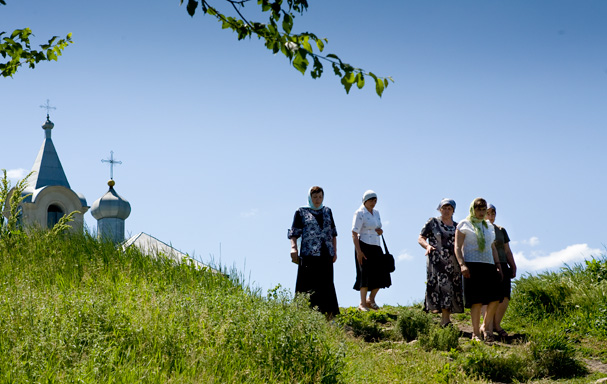 August: MOLDOVA
Once a part of Romania, this former Soviet republic declared independence in 1991. Moldova, one of the poorest European countries, is riddled with a high underground crime rate. This country is vulnerable as a transit point of human trafficking. The main language spoken is Romanian (also called Moldovan) but there's debate as to what the Moldovan ethnicity is exactly.
 September: ROMANIA
The northern regions of Romania are home to the gypsy community. Though strangers in their homeland and forgotten by society, the gypsies are a strong and vibrant people who embrace the light of Christ in an inspirational way.
 October: HAITI
Haiti was hit with a life-altering earthquake on January 12, 2010. The nation's still in shambles, the church is rising up. Haiti is experiencing a spiritual revival right now like it has never before seen. Communities are turning to pastors for leadership, and the local church is becoming the driving force behind Haiti's ongoing rebirth.

November: DOMINICAN REPUBLIC
The Dominican Republic shares the island of Hispaniola in the Caribbean. The more affluent neighbor to Haiti (though generally it isn't too affluent) home to 9 million people. The Dominican culture is lively, vibrant, warm; however, the culture struggles with problems like hypersexualization and alcoholism. After the earthquake on January 12 in Haiti, the Dominican Republic quickly became refuge to thousands who were displaced.







