
I’m currently in Thailand.
However, I wanted to post an interview story from my month in
Nicaragua. I will post on Thailand soon!
 Instead of “how are you” as the natural greeting among men
in a village in Nicaragua, the common greeting is “how is your (creatine)
level?” Men greet each other with this
question awaiting a response which shows how sick they are from working at a
local sugar cane field, the largest in Central America. Renal Kidney Failure Disease is what
typically awaits the limited job option population in this area. To them it is
normal, to me it is sad. I had the honor
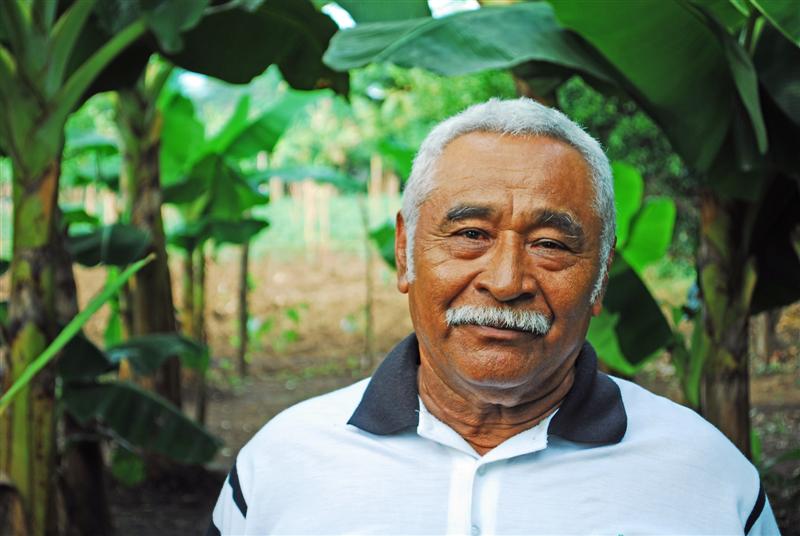
of interviewing a former worker at the sugar cane plantation, Jose Matamoro. He worked there for 37 years. We sat down with a translator. The one thing I could not quite get over was
how grateful he seemed about his job.
This job has left him sick, most likely shortening his life, but he
maintains a grateful heart that he even had a job. In such a poverty stricken and jobless
society, any job is well liked regardless of its consequences of an early death. I do believe awareness needs to be brought
to how poverty results in desperation on behalf of the worker and exploitation
on behalf of the employers. Proverbs
says: “To the hungry even something bitter tastes sweet;” To those desperate
for a job even something that kills them early is good.
In Candelaria, before the 1980s, jobs were more available to
men and women. Privately owned
plantations employed people in areas of cotton, bananas, plantains, etc. However, in the 1980s, the government took
over these plantations and sold a train that went from the north to Granada
that provided jobs for many. After these
government actions, jobs were scarce, forcing people to work at the sugar cane
plantation. Even before the government takeover
of jobs, the sugar cane company would go to these other areas of work and
present the people with an offer that was hard to resist. The company offered to pay more than what
their current job was paying and also give them the basics in food to feed them
and their family. The company no longer
provides food for its workers, since now it’s almost the only job option for
people, it does not have to try hard to get workers.
Jose worked in certain areas that caused him to get
sick. He was fortunate in that since he
had worked there a long time, he was moved to a different area, where one does
not get sick. His job was secure. However, most are not as fortunate. Once they find out you are sick, you are
typically fired and the company just hires new workers and the cycle
continues. Often, once one person from
the family gets sick, younger members of the family will go and get a job
there, and so from generation to generation family members are getting sick and
then dying. Families are without
fathers, brothers, sons. Poverty and the
absence of males devastate this society.
During the interview, I found myself wondering why do people get jobs
there when they know working there makes them sick and why would families send
sons there as well? But, living in a society without any jobs available, any
money to provide food for you is worth it; you will risk it to eat, to live,
even if your means to living will eventually result in your death.
The company tests the workers every year, for each safra,
which is the time period where they plant the sugar  cane. If a worker’s results are positive for sickness, termination occurs. Once fired, workers barely receive any
compensation. For those that do receive
compensation it is not enough to live off of.
The minimum amount of time
required to have worked at the company before employees receive compensation
used to be 150 weeks, now it is 700 weeks.
Therefore, a lot of workers do not receive any kind of insurance or
compensation because they have already become sick before 700 weeks time.
Currently in the Candelaria area over 2000 men are without
work because they are sick and jobs are scarce.
Thus the cycle of poverty begins and hopelessness sets in. Jose says a lot of people begin to live life
with the attitude of “I’m going to die anyway so I might as well…”
Alcoholism, drug abuse, partying begins, which results in a quicker
death. Also, due to being without jobs,
there is less money to buy food and not eating well results in a quicker death. Others
find ways to make money in any way they can to provide for themselves and
families. One-hundred to two-hundred men
die every year in the village of Candelaria.
While I was in Nicaragua, a family my team had grown close to,
lost a brother, a son, an uncle. We
watched their grief as he lay dying before our eyes from renal kidney failure. Just about each week, this village sees a death from this disease. As people are dying they vomit yellow bile,
their stool is green or yellow due to the chemicals used at the plantation.
The workers work from 6:00 a.m. until 4 or 5 p.m. They get paid based on how much they plant,
cut, etc. So that’s an incentive for
them to work really hard and take virtually no breaks to eat or even drink
water. They race with each other to get
the most done. How do they get sick? Because
of the chemicals used to fumigate, to kill plagues, and insects that are
preventing the sugar cane from growing. In the 1980s, the company started to
use different chemicals and in particular a chemical called gramoson used by
airplanes to fumigate. The company
prohibits them from drinking water or taking showers for any reason because of
the polluted water caused by fumigation in the morning. By the afternoon, plantain trees and fish in
the river would be dead. Leaves on trees
were all dry. The airplane chemicals
contaminate the ground for 20 to 30 years after being sprayed, leaking into the
water and food supplies of the people.
Awareness is limited.
There is a group trying to help the people get insurance and
compensation. The company produces
millions for the government and is, as mentioned, one of the only jobs available,
so the government does not say anything and neither do the people. I hope and pray more awareness comes and the
cycle of job, job loss, poverty, sickness and then death can end.







