
 was back home feasting and laughing while I was on the other side of the world. Even though I missed my family, it was really cool to have the Thanksgiving experience with my new J-Squad family. We had a beautiful meal, and I’m pretty sure I gained at least ten pounds. We even had sweet tea! I have so much to be thankful for. I’m thankful for the things that have become simple pleasures, like a real pillow and clean clothes. I’m thankful for the support from everyone back home. I’m thankful for my team. I’m thankful to be here.
Today is our last day in Israel. We’re spending the night in the airport tonight and catching a 6 a.m. flight to Istanbul. This month has been full of ups and downs. I’ve been to Jerusalem, Nazareth, Galilee, and Capernaum. I’ve stepped foot in the garden tomb. I’ve prayed at the Wailing Wall. I’ve stood on the Mount of Olives. I’ve walked beside Christians, Muslims, Jews, and Arabs. I’ve seen the scriptures come to life. It’s been such a great month, and I’m sad to leave.
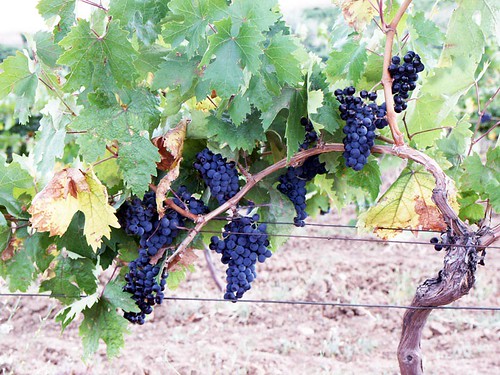
“I am the true vine, and my Father is the gardener. He cuts off every branch in me that bears no fruit, while every branch that does bear fruit he prunes so that it will be even more fruitful.”
John 15:1-2
This was one of the very last messages Jesus gave to his disciples. He was referring to a grape vine, and this statement had much more context to them than it does to us today. Pruning is possibly the most important part of growing grapes. It involves cutting off the tip of a branch once it reaches a certain size so that side shoots develop. Nourishment can then go to the shoots, which causes them to produce just as much fruit as the main branch. Just like a gardener prunes a vineyard, Jesus promises that God will prune us. That just doesn’t sound very pleasant, and it’s not supposed to be. Pruning involves pain, but it’s necessary for growth. It’s necessary for abundance.
For the first time in my life, I’m excited about growing. I’m excited about the changes that are happening. My motivations for growth in the past have usually been guilt or a sense of duty. I can say that it’s becoming more about a joy in becoming more like my Savior. One of my biggest fears has been that I will come home from the race and be the same person as when I left. I expected to come here and be completely and radically changed. I’m learning that it’s not about throwing the old Halley away for a new one. It’s about pruning. It’s about allowing God to cut and trim areas in my life that aren’t fruitful. I’m also learning about making choices. The things that annoyed me at home still annoy me now. The types of people I have a hard time being around at home are the same types of people I have a hard time being around now. There are many days I still have a bad attitude. At home, I had a hard time getting motivated to study and develop spiritual disciplines. It’s still hard here. I still gripe and complain, and I’m still tempted to talk about people behind their backs. I still have a hard time showing compassion to people that can help themselves but choose not to. There are so many areas I want to grow in, and it’s sometimes overwhelming to think of the road ahead. But God’s teaching me that it’s not about getting to a point that I no longer struggle in these areas. It’s about what I choose to do about it. It’s all about fruit. What if we all had the capacity to ask a question before we spoke…before we acted…”What kind of fruit will this bring?” We’re told that you know a tree by its fruit. A good tree cannot bear bad fruit, and a bad tree can not bear good fruit. What if we went beyond loving our neighbor as ourself and moved towards a place of acting only out of love? That last sentence might not make sense. The Golden Rule can sometimes be used as an excuse against doing things Christ calls us to, as ironic as that sounds. For example, we’re told to hold each other accountable…to spur one another. There have definitely been times I haven’t wanted people to tell me ways I can grow, so I’ve used that as an excuse not to sharpen others that are important to me. Instead of using ourselves as the focus of our actions, what if we used Jesus? I don’t mean that to say that Jesus didn’t mean it when he said to love our neighbor as ourself, we’ve just turned it into something else. Would there still be conflict if we had the discipline to determine the fruit of our words and actions before we spoke and acted? I’m pretty sure there would be. But how much easier would things be resolved if feelings were only hurt unintentionally? Or if love pushed us to do the hard things?
“You have heard that it was said, ‘An eye for eye, and a tooth for a tooth. But I tell you, do not resist an evil person. If someone strikes you on the right cheek, turn to him the other also. And if someone wants to sue you and take your tunic, let him have your cloak as well. If someone forces you to go one mile, go with him two miles. Give to the one who asks you, and do not turn away from the one who wants to borrow from you. You have heard that it was said, ‘Love your neighbor and hate your enemy.’ But I tell you: Love your enemies and pray for those who persecute you, that you may be sons of your Father in heaven.”
Matthew 5:38-45
Jesus was all about redefing the social norm. “You’ve heard it said this way….but I tell you a better way.” It’s not all about refraining from doing things because you’re using the “fruit filter” that I just talked about it. It’s about stepping outside of our comfort and loving in an active way- like forgiving when the person doesn’t deserve forgiveness, or helping loved ones see blind spots in their spiritual growth. What if we really latched onto what Jesus said, as well as the way he lived? What would the world look like if we all focused on bearing only good fruit…if love and the search for becoming like Jesus motivated our every action? I think it would start becoming less the “fruit filter”, or the discipline of making a choice ourselves and more towards becoming one with Christ. I know I say what if a lot. I’m a visionary. Most people think it’s radical. I’m not so sure that’s a bad thing. What if we stopped asking what if?








