

• Besides ‘The Big 5,’ there are many other animals in Kenya including, but not limited to, Giraffes, Zebras, Hippos, Baboons, Wildebeests, Warthogs, Antelopes, Gazelles, and numerous, distinctive bird species.
• Lions spend most of their time resting in the shade. When it’s time to catch some food, it is the female who does all the hunting.
• Elephants can be seen flapping their ears to keep from overheating. They most often travel in herds, under the direction of a matriarch.
• The African Buffalo are known for having a bad temper. Just don’t get in their way.
• The fastest cat on the planet, the Cheetah, is one of many endangered species in Africa.
• The Swahili word for animals is mnyama (wanyama, pl.). Buffalo is mbogo; Elephant is ndovu/tembo; Leopard is chui; Lion is simba; Rhino is kifaru. Now go, practice your Swahili!
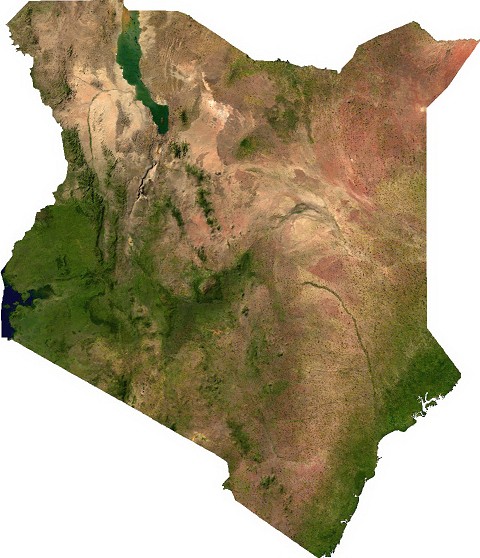
• Kenya contains both low-lying coastlands as well as the snow-capped Mt. Kenya that rises to 17,058 ft above sea level.
• Kenya also has a very varied climate with a humid and hot coastal belt contrasting significantly from temperatures in the highlands that can reach as low as 5 degrees centigrade. The Lake Victoria region has tropical storms while the north has a typical desert climate where rain at times does not fall for periods up to one year.
• About 80% of the population, including three out of every four poor people, live in rural zones.
• Almost half the people in Kenya are under 15 years old.
• An estimated 700 Kenyans die daily of HIV/AIDS-related causes.
• Life expectancy is 46 years, down from 59 years in 1989.
• Most rape cases reported in Kenya are of babies from 8 months to 2-3 years of age. This has been attributed to a belief that a baby or a virgin cures HIV and AIDS.
• Fathers and brothers rape their sisters and children. Women don’t report the crimes or have even reported that police officers have raped them.
• Kenya has a 7-14 year penalty for rape.
• Women are taught self-defense tactics and on how to handle themselves on the occasion of an attempted rape.







