
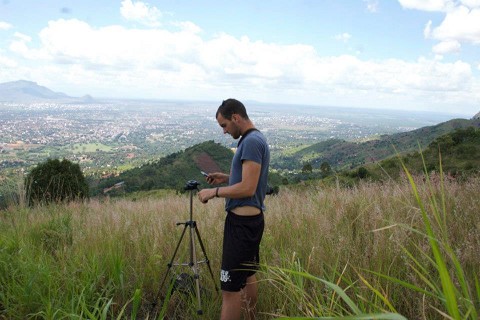
The World Race will be many things for many different people. No ones race is the same. There is one thing that is the same for everyone though. The World Race is an adventure. Good or bad, an adventure you are going to want to remember for the rest of your life. The best way to capture those memories are through filming them.
I developed a big passion for film on my forth month of the race. I have been making highlight videos every month trying to show my family and friends what my race is like. I have gotten several emails about what camera I use and different questions from future racers interested in filming their race.
This blog is for future racers who are interested in filming their race in higher quality then your average camera phone or home video recorder. Leaning more towards professional style videos. I am by no means at a professional level myself. I am still on my own journey in learning how to film. I have a long ways to go. But I thought I might leave some insight for those interested in making videos themselves.
To see any of the videos I have made from my race. Check out my Vimeo Channel
My Equipment
- I shoot with a Nikon D5100. The only lens I have is a 35mm f1.8 lens.
- A Opteka VM-100 shotgun mic (which ended up being a waste of money for its quality)
- I carry around a very cheap tripod and monopod as well as a homemade shoulder rig I built in Vietnam for 5 dollars.
- I started editing with Final Cut 10 but switched to Premiere Pro.
- I am trying to learn color correction and using “Magic Bullet Looks.”
- I also use Adobe Audition to edit songs in a way people won’t notice. (Like if I want to skip a chorus or a slower part of a song.)
Equipment I Would Suggest To People Looking To Buy
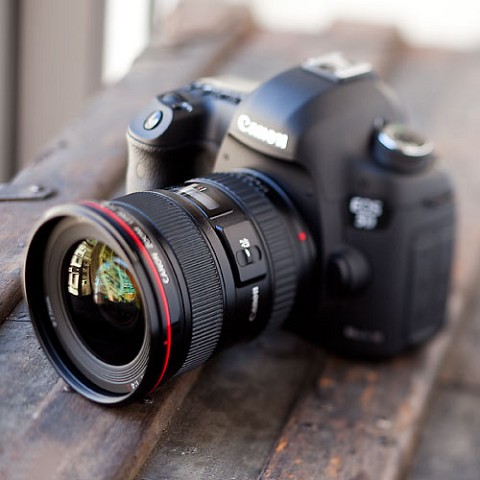
You don’t need a good quality camera to tell a good story. That is all you are trying to do is tell a story. It is more important to have your eyes open to a good scene, and from the right angle, then what camera you have. Although having a good clean image sure helps and it makes it more fun to learn. For entry level cameras that have “professional results” I would recommend either the following
* I included links to amazon for most of my suggestions.*
Canon 650d ($650 Body Only)
Or the
Nikon d5200 ($700 Body Only) (has uncompressed HDMI out)
As far as Canon and Nikon, at these prices, I don’t believe there is much difference. It is personal choice.
Either of those cameras will do a great job for you. Unless you really know what you are doing, or plan to get more serious into film. You will not notice a difference between the lower end cameras above or the higher end below. However, If you are wanting to spend more money and get more serious into film. Something I plan on investing in quite a lot of money in when I get home.
I would recommend the following
Or if you have more money. The king of all DSLR video cameras the
If I could recommend one lens it would be a prime 35mm f.18 ($200)
I would also recoomend getting another lens that allows you to get wider shots, as well as more zoomed in shots The kit lens (18-55) or the next jump up the (18-105) are both great lenses for this.
I use the 35mm for 95% of my shots. For people who don’t have much photography experience, it is at a fixed focal length of 35mm. In short the f1.8 means it lets in a LOT more light then a normal lens so you are able to shoot in much darker scenes as well as get great depth of field. (D.O.F. allows you to get the person you want in focus, and everything else blurred behind them.)
The 50mm f1.8 is just as good, and about half of the price. The problem with this lens, is if you do not buy a full frame camera (full frame cameras start at about $1,500)
The way the lens is engineered on the cheaper cameras, it is actually a 75mm focal lengh. Which can be very annoying always being so zoomed in.
Other Equipment
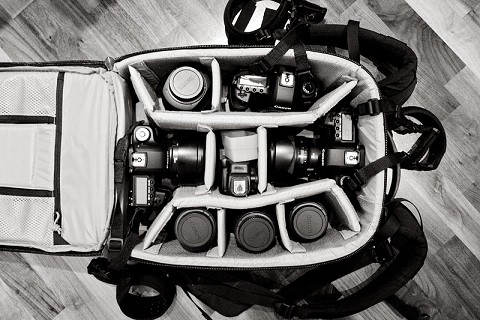
Sound
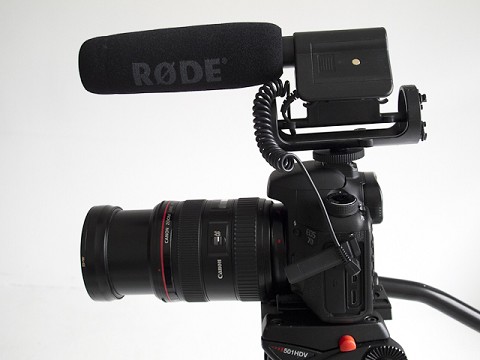
Rode Lavalier Microphone ($250)
Next you will want a shotgun mic to help record better ambient sound
Rode Shotgun VideoMic ($150)
Finally you will need something to record your sound to that doesn’t mess it all up.
You will need an external recorder.
Zoom H4n Handy Portable Digital Recorder ($270)
A lot of this stuff seems pretty expensive, and it is. It is annoying, but in flim and in photography, what you pay is what you get. If you want quality, it will cost you. As you get more into things down the road, you will be glad of your investments.
Now remember, not all of these things are required. Pretty much all I use is my D5100 and 35mm lens and I make somewhat decent videos. But I could do a lot better with some of these other things. Including being more impactful to my audience. And be able to bless some of my ministries with Videos for them to use. If I had the ability to record the sound.
Remember when reading all of this. Do your own research. I am no expert on any of this, and am still learning. I am pretty confident on what advice I have given. However, still take things into your own consideration.
How to learn Everything

I was pretty interested in photography when I left for the race and thought I knew a thing or to about it. I realize now, I knew very very little.I always struggled with wanting to learn more, but not knowing how or really where to find a place online the explained things as a whole or in specific detail.
I CAN NOT RECOMMEND a better way to learn things then lynda.com. I have learned 90% of the technical stuff I know from the. If there was one thing you were going to take from this blog. It
In film and photography there are 2 things you must be good at.
Mastery – (Easier to learn) It is all of the technical skills required. “Knowing how to use your camera, what all the little buttons to, and the science behind everything.
Artistry – (Harder to teach) It is the art in everything. Finding good composition, interesting shots, and most importantly, figuring out how to tell your story.
Lynda.com Offers extensive courses on all these things for all different kinds of levels. From begginers who have no idea how to even take a picture to people who have a pretty good understanding, but need more advanced training.
You can get a week free trial with unlimited access to all of there courses, then it is $25 dollars a month. You could register for one month and watch what you want then cancel.
Some courses I would recommend are
For Beginners both Photography and Film
If you are knew to photography, or do not understand your cammer, I can no reccomend these first two courses enough. (Foundations exposure, and foundations lenses) They helped me incredablly.
Foundations of Photography:Exposure
Foundations of Photography: Lenses
Some more intermediate level courses are
Foundations of Photography: Composition
Video Journalism Shooting Techniques
There are many many more courses offered on Photoshop, Premeir Pro, Story Writting, Audio and many more topics. Pick a topic or software that you want to learn and check out their website. There is probably something covering it.
Plan Ahead
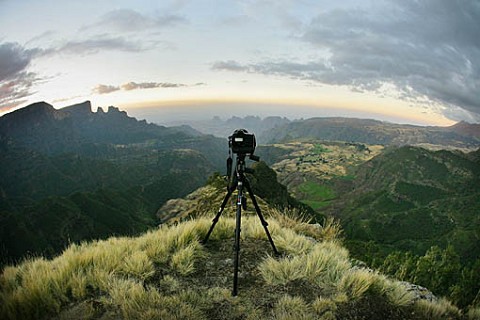
Being on the 10th month of my race and seeing the end so near. Something else I wish I had done more was find more creative things to do for an end of the year video.
Maybe a picture everyday of my face to turn into a video of how I physically changed. Shots of every airport or in from of a sign from every country. Or something I really wish I had done was a timelapse of a sunset from every country. (I will give more details on timelapse below. I dont have a lot of ideas here, just wish I had thought of more. Just be thinking from the beginning of your race of interesting ways to tell a story about your race. A way to sum it all up.
Timelapse Photography
This is my favorite timelapse video I have seen. I think it would of been pretty awesome to of done something like this for my race.
In my opinion timelapse photogrpahy is one of the hardest technical parts of photography to master. Yet it yeilds incredablly interesting results and gives your viewer something new that they have not seen much of.
A timelapse is where you use intervalometer to set your camera to take a picture every 10 seconds or so. Then add it into a video clip at a rate of about 24-30 pictures per second of your video.
One advantage of most Nikon Cameras is that they have built in intervalometers.
I do not believe any canons do. So you must purchase that seperately.
As far as learning how to do timelapses, here is a very basic, but very indepth tutrial.
Tim Allen’s Timelapse Tutorial
Althought that is a great place to get started there is much more to learning how to make a good timelapse, specially for things like sunsets where your exposure is constently changing.
For more indepth detail here is the number one fourm for people interested in shooting timelapse photography.
Timescapes.org
I hope this blog has been some help for you. If you have any questions feel free to email me at [email protected].
Thanks and good luck!







