
Well, here we are four weeks into the World Race, three weeks into ministry in India, and 6 days away from Nepal. So much has happened already! I can’t believe this is only the beginning.
Just to recap, my team Earth Like Heaven, along with team Salt and Light, have been working this month at Sarah’s Covenant Home (SCH) in Ongole, India. This organization is made up of three locations: Victory Home, the schoolgirls’ apartment, and the baby home. We have been spending our time at Victory Home where the majority of the children stay (75 o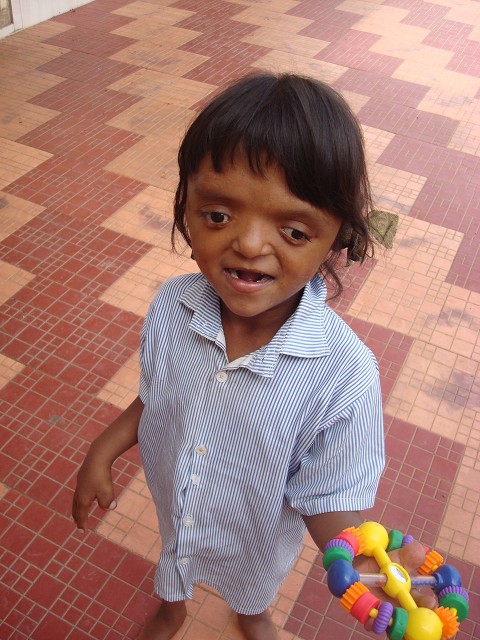 ut of 105 total). Boys and girls of all ages with a variety of disabilities live here. The children are split up into five different rooms: mobile girls, mobile boys, immobile girls, immobile boys, and younger children. Both teams have been rotating every three days to spend adequate time with each group. Our contact gave us three goals during our visit with each room: love the children SUPER well, set an example for the Ayah’s (the women employed by SCH who take care of the children 24/7), and deep clean each room. Every room definitely has it own joys and challenges.
The caste system in India is widely debated but continues to impact many, including the children at SCH. Orphans alone have little to no value in Indian society, so special needs orphans often go uncared for. When meeting with our ministry contact last Saturday, he told us that most people here would see nothing wrong with these children dying. Around 70 of the children were taken into SCH from a government orphanage where they were found lying in their own feces and given little attention. Some of the other children were found abandoned in random places or were dropped off at SCH by their parents. Most people do not want these children because of the physical and financial burden, and some even believe that giving birth to a special needs child represents a religious curse. One of the boys I have fallen in love with, Nolan, (that’s his internet name, trust me his Indian name is much cuter) was found abandoned in a garden in a nearby city. Another child, Jackie, was found in a rice bag that had been thrown away in a field. These are just two of the 105 stories the children carry. Thankfully, SCH is a home that treasures these children. They desire not only to meet their physical needs, but to love and raise them so they may experience the dreams their Father has for them.
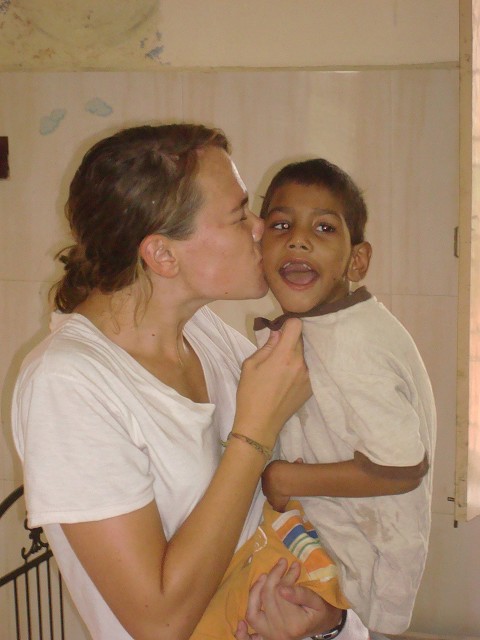 This month was definitely a challenge for so many reasons. Since it was our first month on the Race, there was a whole new lifestyle and culture to adjust to. Living in community 24/7, getting feedback from your team every night, learning to seek out what the Lord has for you in the midst of a new culture and so many other things. On top of that our first month was in India, where everything is the complete opposite of what I’m used to. And once in India, we found ourselves in a special needs orphanage that is considered "top-of-the-line" by Indian standards, but very different compared to what exists in America.
For myself, and possibly the entire team, the biggest challenge while working at SCH were the Ayah’s. Ayah's are the local Indian women who live at the home and work there 24/7. There are approximately 25 Ayah’s at Victory Home. They are assigned to a specific room and within that room are in charge of 2 – 3 kids each. Our relationship with the Ayah’s was definitely where culture clashed the most. Many of these women were raised in villages and received little to no education; therefore things that are “common sense” to us don’t register with them. Indian culture is also very different in terms of physical affection and interaction. The children desire to be held, kissed, tickled, and played with, but many of the Ayah’s don’t think this is important. Finally, there is a lot of tradition in Indian culture, especially in the villages; therefore it is very difficult to change habits these women have formed. This is especially difficult when they were raised being treated a certain way, use the same methods now, and do not want to change.
Please know that I do not, by any means, believe the Ayah’s are horrible people. I have found that their actions and responses have to do with Indian culture more than anything else. Also as we began to get to know the Ayah’s more and build relationships with them, we definit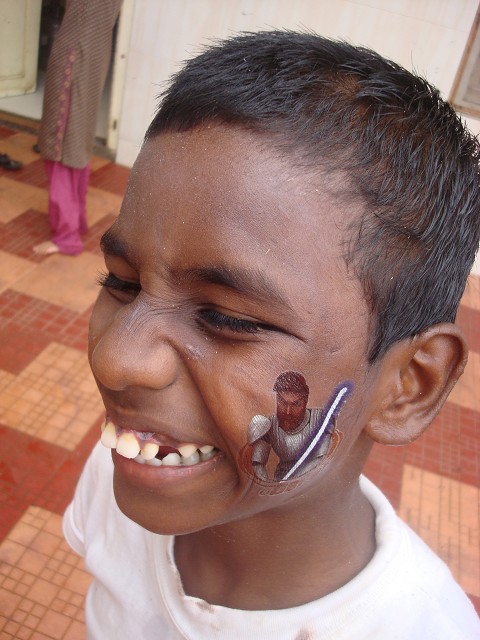 ely noticed a common theme in each of their lives: pain, loneliness, hurt, abandonment, disappointment, and broken promises. And as we began to talk with these women and hear their stories, we reached the root of the problem: broken people can’t help broken people.
These women were not working, serving, and loving these kids out of a place of overflow, but were barely getting by, laboring out of brokenness and pain. They could not speak truth and life into these children because truth and life had not taken root in their own hearts. We soon realized that our ministry this month was not only to the children, but to the Ayah’s as well.
We have had many opportunities to pray for the Ayah’s, set an example of how to love and interact with the children, and even lead Bible studies in the morning specifically for the Ayah's. As a team, our prayer this past month was that the Ayah’s would experience the fullness of Jesus. That they would experience His healing power, His kind spirit and gentleness, and know that they are seen, heard, chosen, and important daughters of the King. You see, in spite of our cultural clashes and and being raised in completely different ways of, we all have the same Spirit, and that permeates any division or misunderstanding. We believe that out of the overflow of these women being loved by the King, then and only then, will they be able to love and serve these children well.
Please continue to pray for the Ayah’s that the supernatural power of the Holy Spirit would permeate their souls, bring healing to their hearts and abundant joy to their lives. God sees them and they are important. I pray that these women know the delight their Father has for them!







